








A Tradition Reimagined
Ganesh Chaturthi is more than just a festival in Mumbai; it's the city's heartbeat. Public celebrations, which date back to the late 19th century, have always been a reflection of the times. Today, as the city gears up for the festivities beginning on September
14th, it is the youth who are infusing new life and purpose into the traditions. While the devotional chants and grand pandals remain, there's a palpable shift in focus. Young organisers and volunteers are moving beyond mere celebration, using the festival as a platform for creativity, environmentalism, and social good.
The Eco-Conscious Wave
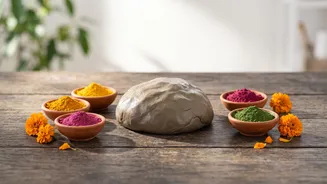
Perhaps the most significant change driven by the youth is the widespread adoption of eco-friendly practices. For years, the immersion of Plaster of Paris (PoP) idols has been a major environmental concern. Now, a growing number of young people and mandals are championing idols made from sustainable materials like 'shadu mati' (natural clay), paper pulp, and even dissolvable substances. This trend is not just about avoiding pollution; it's a statement of environmental responsibility. Many are also participating in workshops to learn how to make their own eco-friendly idols. The decorations are also going green, with many opting for themes that use recycled materials, flowers, and fabrics instead of plastic and thermocol.
Pandals with a Purpose
The local pandal (a temporary structure set up to house the idol) has always been a hub of community activity, but today's youth are transforming them into spaces for social messaging. Many mandals, led by young members, now build their themes around important issues like water conservation, road safety, or the importance of education. These creative displays go beyond religious iconography, turning the pandal into a conversation starter and an educational experience for the thousands of visitors. This fusion of devotion and awareness demonstrates a desire to make the festival relevant and impactful in the modern world.
Community, Charity, and Clean-Ups
The spirit of service is increasingly central to how young people in Mumbai are approaching the festival. Many youth-led mandals organise large-scale social initiatives alongside the religious rituals. These activities include blood donation drives, educational support for underprivileged children, and fundraising for community relief funds. The commitment doesn't end when the festival does. Post-immersion beach clean-up drives, largely organised and attended by young volunteers, have become a common sight. These efforts reflect a holistic view of the festival, where giving back to the community and caring for the city are seen as integral parts of the celebration.
Digital Devotion and Organisation
Technology has also found its place in the modern Ganpati festival. Young organisers extensively use social media platforms like Instagram and WhatsApp to coordinate activities, raise funds, and share live 'darshans' with a global audience. Geotagging of artificial immersion ponds helps devotees easily find eco-friendly disposal sites. While some use apps to get guidance on rituals, others watch live streams from famous pandals like Lalbaugcha Raja. This digital engagement doesn't dilute the experience but rather expands its reach, connecting a new generation to their cultural roots in a way that feels native to them.