
Embrace the Everlasting Pookalam
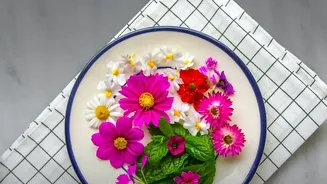
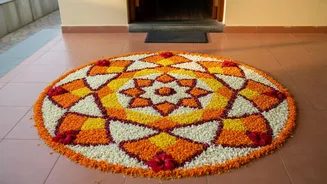
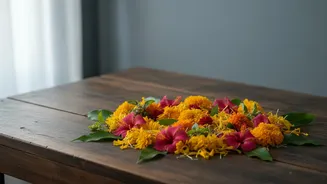
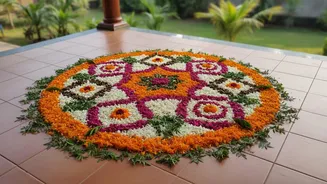
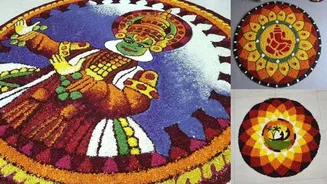
The pookalam, or floral carpet, is the heart of Onam decor. While fresh, locally sourced flowers like marigolds and jasmine are biodegradable, consider a reusable alternative for a lasting centrepiece. Invest in a beautiful MDF or acrylic rangoli mat
that you can use year after year. These often come in intricate, traditional patterns and can be decorated with a combination of fresh petals, coloured rice, or even DIY paper flowers. This approach reduces the daily waste from fresh flowers and gives you a permanent piece of festive art. After the festival, the flower petals and any other organic materials can be composted, returning them to the earth.
Choose Timeless Brass and Clay Lamps
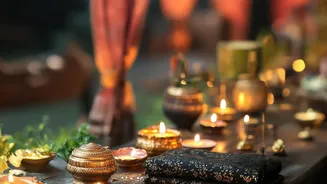
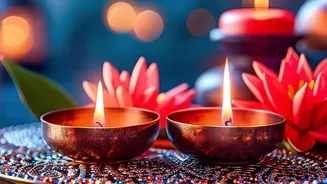
The warm glow of lamps is essential for creating a festive ambiance. Instead of single-use plastic tea lights or disposable candle holders, opt for traditional brass or terracotta diyas. A stately brass Nilavilakku (traditional lamp) is not just a decoration but a treasured heirloom that can be passed down through generations. Earthen or clay diyas are an economical and eco-friendly choice that adds a rustic, traditional look without consuming electricity. These can be reused for every festival, making them a one-time purchase that pays dividends in beauty and sustainability.
Invest in Fabric Torans and Hangings
Plastic garlands and shimmering plastic torans are a common sight during festivals, but they contribute significantly to landfill waste. This Onam, make a switch to reusable fabric torans. Look for ones made from handloom cotton, silk, or even upcycled sarees, which add a unique and colourful charm to your doorways. You can also find beautiful hangings made from jute, bamboo, or wood, which bring a natural, earthy texture to your decor. These items can be carefully stored and brought out each year, becoming a cherished part of your family's Onam traditions.
Go Natural with Banana Leaves and Coconut Shells
Onam traditions are intrinsically linked with nature, and this is where you can find the most beautiful and sustainable decor. Banana leaves are not just for serving the sadya; they can be used as beautiful, zero-waste table runners or placemats. Their lush green colour is a perfect backdrop for the festive feast. Coconut shells, often discarded as kitchen waste, can be cleaned and repurposed into charming bowls for serving small items, or even as unique candle holders. After the celebrations, these natural elements can be composted, ensuring nothing goes to waste.
Rethink Your Sadya Serveware
The grand Onam sadya is traditionally served on banana leaves, a perfect example of zero-waste dining. However, modern convenience has led to the use of disposable plastic plates and cups. To make your feast more sustainable, stick to the tradition of using banana leaves. If that isn't feasible, avoid disposable plastic and opt for your regular steel or ceramic dinnerware. For a more traditional feel, you can invest in brass or wooden serving bowls and trays, which enhance the festive table setting and can be used for years to come.
DIY Decor from Upcycled Materials
Get creative and involve the whole family in making your own decorations. This not only reduces waste but also adds a personal touch to your celebrations. Old glass jars can be painted and used as candle holders, while scraps of colourful fabric can be stitched into beautiful bunting. You can even make your own pookalam using coloured paper on a cardboard base, a fun activity for children that reuses materials you already have at home. Repurposing old sarees with beautiful borders as drapes or cushion covers is another excellent way to bring traditional colours and patterns into your home without buying new items.