







The End of the Orange Card
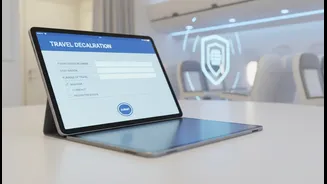
Australia has officially begun the process of replacing its long-standing paper Incoming Passenger Card (IPC) with a modern digital system. The Albanese government has announced the nationwide rollout of a digital Australian travel declaration, a move
that follows a successful trial involving over 450,000 passengers on Qantas flights into major cities like Sydney, Melbourne, and Brisbane. This initiative is part of a A$56.1 million investment over four years aimed at modernising the country's border systems. For travellers, this means the end of filling out the familiar paper forms that request personal details and biosecurity declarations just before landing. The goal is to create a faster, simpler, and more efficient arrival process for millions of visitors.
Why Go Digital?
The switch to a digital declaration is about more than just saving paper. The primary drivers are efficiency, security, and an improved traveller experience. For the Australian government, digital collection allows for better quality data for risk assessments and enables rapid updates in response to global events, such as biosecurity threats. Home Affairs Minister Tony Burke called the modernisation essential for Australia's prosperity and national security, aiming for a "seamless border process". For tourists and other visitors, the benefit is clear. Trade and Tourism Minister Don Farrell noted that a simpler process means less time spent on paperwork and more time enjoying Australia. This move brings Australia in line with other major global hubs like Singapore, Japan, and New Zealand, which already use digital arrival systems.
How It Will Work for Travellers
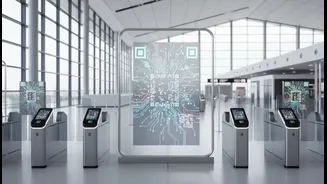
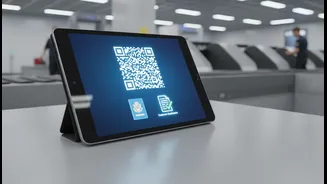
Based on the successful Qantas trial, the new system is designed for convenience. Passengers will be able to complete their declaration digitally before they fly. Initially, the government will make the declaration accessible via a web form. Travellers can submit their details up to three days before their trip. Following submission, they will receive a QR code, which can be saved to their phone or email. Upon arrival, this QR code is simply scanned by Australian Border Force officers at the checkpoint, completing the process. The long-term plan is to work with airlines to integrate the declaration directly into their apps, further streamlining the experience.
The Rollout Plan
The transition will not happen overnight. Following the initial trials in Sydney, Melbourne, and Brisbane, the program is set to expand to other capital cities, including Perth and Adelaide, by the end of 2026. A full, phased rollout to all Australian international airports and seaports, and across all airlines, is planned over the subsequent 12 to 18 months. This gradual approach is designed to ensure a smooth transition, learning from previous attempts to digitise the border that were less successful. Importantly, for those who cannot access the digital system or in case of technical issues like a dead phone battery, paper forms will still be available as a backup.