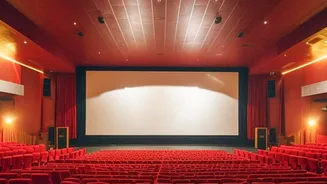

The Power of the Big Screen Event
A theatrical release transforms a film from mere content into a cultural event. The collective experience of watching a movie in a darkened theatre, the pre-release marketing blitz, and the weekend box office numbers create a level of public awareness
that a direct-to-digital premiere struggles to match. This initial marketing push, designed for cinemas, builds significant familiarity and anticipation before the film even lands on a streaming service. Research shows that theatrical films often generate far higher buzz upon their OTT launch compared to original streaming content, precisely because they have already been established in the public consciousness. This is because the theatrical run serves as a high-visibility promotional window, creating a brand identity for the film that streaming platforms can later leverage.
Box Office Numbers as a Marketing Tool
Box office figures are more than just revenue; they are a powerful marketing metric. A film that performs well in theatres is perceived as a success, creating a halo effect that follows it to streaming. Strong collections are a signal of audience approval, and this 'word-of-mouth' momentum has a significant positive impact on viewership when the film arrives on an OTT platform. Streaming services use box office performance as a key benchmark when acquiring films, as it demonstrates the producer's confidence and the content's proven appeal. Conversely, a film's poor performance at the box office can drastically reduce its value for streaming rights. For instance, reports on the film 'Toxic' indicated its OTT deal dropped from a potential ₹150 crore to just over ₹30 crore after it failed to perform theatrically, showcasing the direct financial link between box office buzz and streaming value.
Creating Cultural Conversation
The period a film spends in theatres is crucial for generating organic conversation. From social media chatter and meme pages to fan edits and dialogue snippets, the theatrical window allows a movie to permeate popular culture. This sustained discussion ensures that by the time the film is available for streaming, a large segment of the audience is either eager to watch it for the first time or re-watch it at home. This dynamic is especially important in India, where a significant portion of streaming subscribers are also regular theatre-goers whose viewing tastes are shaped by the cinematic experience. The theatrical release, therefore, primes the audience, making the subsequent OTT launch feel like the next logical step in the film's journey, rather than a cold start.
The Financial Symbiosis
For producers, the theatrical-to-OTT model represents a de-risking strategy. A successful theatrical run can cover a substantial portion of a film's budget, making the subsequent OTT deal a source of profit rather than a necessity for cost recovery. While streaming platforms once offered huge premiums for direct-to-digital premieres during the pandemic, that trend has cooled. Now, the industry has largely reverted to a theatrical-first model. The gap between theatrical and OTT release, known as the window, is a subject of ongoing debate. Exhibitors push for a longer window of around eight weeks to maximize theatre footfall, while producers weigh this against the financial benefits of a quicker streaming deal. This tension highlights the codependent relationship: theatres need exclusive content to survive, and OTT platforms benefit from the marketing and validation that a successful theatrical run provides.
Validating the Content
In a crowded market, a theatrical release acts as a stamp of quality and confidence from the filmmakers. Streaming platforms have become more cautious with their spending, favouring films that have already proven their mettle with audiences. A theatrical run serves as the ultimate test, separating blockbuster hits from underperformers. For streaming services, acquiring a box office hit is less of a gamble than investing in an unknown direct-to-digital film. As the industry moves forward, this hybrid model has become dominant, with data showing a significant drop in direct-to-OTT premieres while the number of films going from theatres to streaming has increased. This proves that the big screen experience remains a vital validator of content in the modern entertainment ecosystem.