



A Pattern with a Pedigree
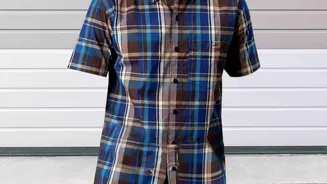
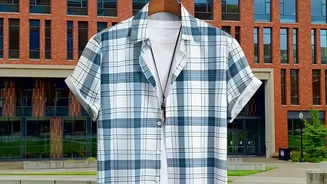
Madras check isn't just another plaid; it's a textile with a rich history rooted in the city of Madras, now Chennai, in South India. For centuries, local artisans have handwoven this lightweight cotton fabric, which was perfectly suited for the hot and humid
climate of the Coromandel Coast. Originally used for utilitarian garments like the lungi, the fabric was discovered by European traders in the 17th century and exported globally. It became a cultural phenomenon, adopted everywhere from West Africa, where it holds ceremonial value, to American Ivy League campuses, where it became a symbol of preppy summer style. This journey from a practical local cloth to an international fashion statement is part of what makes its revival so compelling.
The Breathable Difference of Cotton
The single most important characteristic of genuine Madras is that it's made from 100% cotton. This isn't just about authenticity; it's about function. Cotton fibers are naturally porous, allowing air to circulate freely through the fabric. This built-in ventilation system helps regulate body temperature, wicking moisture away from the skin to keep you cool and dry. Synthetic blends like polyester, on the other hand, trap heat and moisture, leaving you feeling sticky and uncomfortable, especially in warm weather. The very essence of Madras fabric is its ability to provide comfort in the heat. Choosing a polyester version for its pattern defeats the entire purpose of this historic summer textile. When shopping, always check the label; if it's not pure cotton, it's not true to the spirit of Madras.
How to Spot the Real Deal
In a market flooded with imitations, identifying authentic Madras can feel tricky, but a few key details give the game away. First, true handwoven Madras has the same distinct pattern on both sides of the cloth. If the inside is faded or plain, it's likely a cheaper, printed fabric. Second, look for minor imperfections. Because it is hand-loomed, real Madras often has small bumps, known as 'slubs', and slight variations in the weave. These aren't defects; they are hallmarks of its handcrafted origin. Finally, the feel of the fabric is a major clue. Authentic Madras is soft and has a unique texture, a result of using short-staple cotton fibers that are carded, not combed. Some purists even point to the famous 'bleeding' of vegetable dyes in older versions, which gave the colours a muted, blended look after washing.
Styling Madras in 2026
The 2026 revival sees Madras moving far beyond the classic men's shirt. Women's fashion has embraced the pattern for breezy midi dresses, stylish co-ord sets featuring wide-leg trousers and matching tops, and contemporary kurta sets. The key to a modern look is to let the pattern be the hero. Pair a vibrant Madras check piece with solid, neutral basics like a white tank top, denim, or linen separates. For accessories, think minimal: simple jewellery and a tan or off-white bag allow the fabric's colours to pop without creating a busy look. The versatility of Madras shines in these new silhouettes, proving it can be both traditional and completely contemporary.
Caring for Your Purchase
Investing in a quality cotton Madras piece means you'll want it to last. Thankfully, care is straightforward. Most modern Madras uses colourfast dyes, but it's still best to wash it in cold water on a gentle cycle to preserve the fabric's integrity and colour. Always avoid harsh detergents. To maintain the fabric's shape and soft feel, tumble dry on a low setting or, even better, line dry. A low-heat iron can be used if needed. By caring for the fabric properly, you're not just maintaining a garment; you're preserving a piece of textile history that is designed to get softer and more comfortable with each wear.