





What Exactly Is NEAT?
NEAT stands for Non-Exercise Activity Thermogenesis, and it's a scientific term for the energy you burn doing everything except sleeping, eating, or formal exercise. It includes all the incidental movements you make throughout your day, from walking to
your car and typing at your computer to fidgeting in your chair and doing household chores. While these actions might seem insignificant on their own, their cumulative effect can be substantial. Unlike a structured workout designed to elevate your heart rate, NEAT is composed of low-intensity activities that don't feel like exercise but still contribute to your total daily energy expenditure and overall health.
The Power of a Standing Desk
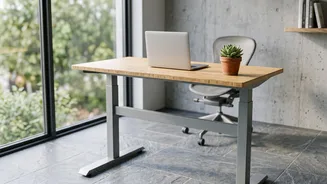
One of the most popular ways to combat a sedentary workday is by using a standing desk. The simple act of standing engages more muscles in your legs, core, and back than sitting, requiring your body to work harder and burn more calories. While the difference might seem small per hour, it adds up. Studies show that standing can burn anywhere from 20 to 50 more calories per hour compared to sitting. If you swap three hours of sitting for standing each day, you could burn thousands of extra calories over a year. Experts recommend alternating between sitting and standing, aiming for at least two hours of standing spread throughout the workday to improve posture and reduce the health risks associated with prolonged sitting.
Elevate Your Burn by Taking the Stairs
Choosing the stairs over the elevator is a classic and highly effective NEAT hack. Stair climbing is a vigorous activity that burns calories much faster than walking on a flat surface. Depending on your weight and pace, you can burn approximately 2 to 5 calories for every flight of stairs you climb. Over a week, this simple choice can add up to a significant energy expenditure. For example, climbing a five-story staircase just five times a day can burn over 300 extra calories per week. This activity engages your largest muscle groups, improves cardiovascular capacity, and is a fantastic way to break up long periods of sitting.
More Simple Hacks to Increase NEAT
Beyond standing desks and stairs, you can weave more movement into your day with minimal effort. Try scheduling 'walk and talk' meetings instead of sitting in a conference room. Set a recurring timer to remind yourself to get up, stretch, and walk around for a few minutes every hour. Even fidgeting—tapping your feet, rolling your ankles, or using a stress ball—counts toward your daily NEAT. When at home, simple chores like vacuuming, washing dishes by hand, or gardening all contribute to your activity levels. Another easy trick is to park farther away from the entrance at work or the grocery store to add extra steps to your day. The goal is to make movement a natural and consistent part of your routine.
Why NEAT Matters for Your Health
Increasing your NEAT isn't just about burning a few extra calories; it's about counteracting the negative effects of a sedentary lifestyle. Moving more throughout the day is linked to a wide range of health benefits, including improved circulation, better heart health, healthier blood sugar levels, and even an improved mood. While NEAT is not a replacement for the recommended 150 minutes of weekly aerobic exercise, it serves as a powerful supplement. It makes physical activity more accessible and sustainable, helping you maintain a healthy weight and reduce the risks associated with sitting for long periods. By focusing on small, consistent movements, you create a healthier, more active lifestyle that pays dividends for your long-term well-being.