








The COVID-19 pandemic made 'mRNA' a household name, showcasing a revolutionary vaccine technology. Now, India is writing its next chapter in this story, with Hyderabad-based PopVax opening a facility to create personalised mRNA medicines.
Welcome to the RNA Foundry
In late October
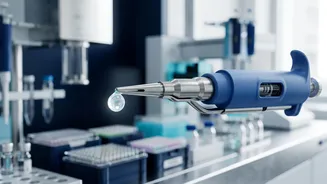
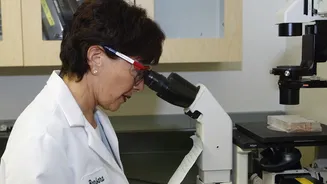
2026, Hyderabad-based biotechnology startup PopVax unveiled its 'RNA Foundry', a state-of-the-art facility for the research, development, and manufacturing of RNA-based medicines. This isn't just another production plant. The facility, built in collaboration with Stochastic Sciences, is engineered to create highly specialised, personalised vaccines, particularly for cancer treatment. Founded in 2021 by Soham Sankaran, PopVax's stated mission is to move India from being a manufacturer of other companies' medicines to a designer of original RNA therapies. The RNA Foundry is the cornerstone of this ambition, designed to meet global Good Manufacturing Practice (GMP) standards and operate around the clock to produce bespoke vaccines for individual patients.
What is Personalised mRNA Technology?
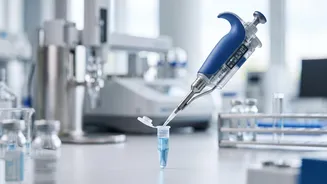
Conventional vaccines are designed for mass production to protect large populations against a specific virus. Personalised mRNA technology flips this model on its head. Instead of a one-size-fits-all approach, it creates a treatment for a single person. The process starts with a patient's own tumour. Scientists sequence the tumour's genetic data to identify unique mutations that produce abnormal proteins, known as neoantigens. PopVax uses an AI-powered platform to analyse this data and predict which neoantigens are most likely to trigger a strong immune response. A messenger RNA (mRNA) sequence is then designed to carry instructions for these specific neoantigens. When this custom vaccine is administered, it teaches the patient's own immune system to recognise and attack cancer cells that carry these unique markers.
Beyond Cancer: A Platform for the Future
While the immediate focus of the RNA Foundry is on personalised cancer vaccines, the underlying technology has far-reaching implications. The platform combines artificial intelligence, machine learning, and advanced molecular biology, creating a powerful toolkit for tackling a range of diseases. PopVax itself is already applying its mRNA platform beyond oncology, with research programs targeting infectious diseases like tuberculosis, influenza, and hepatitis C. The company's first mRNA vaccine candidate, designed to provide broad protection against COVID-19 variants, entered a Phase I clinical trial in Australia in August 2026. This demonstrates that the core technology and manufacturing processes being honed at the Hyderabad facility are versatile and can be adapted to combat various health threats.
A 'Fridge-Stable' Leap for Accessibility
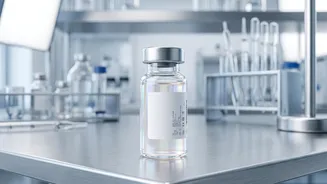
One of the major hurdles for the first generation of mRNA vaccines during the COVIDndemic was the need for ultra cold storage, a significant logistical challenge. PopVax has engineered a solution to this problem with a proprietary lipid nanoparticle (LNP) formulation that is 'fridge stable'. According to the company, its delivery system can remain stable for over nine months in a standard refrigerator (2–8°C). This innovation removes a critical barrier to access, making it far simpler to transport and store these advanced medicines, especially in remote or low resource settings that lack specialized cold chain infrastructure. This could be a decisive advantage in getting next generation treatments to patients anywhere in the world.
India's Ambition in the Global Biotech Race
The launch of the RNA Foundry is a significant milestone in India's journey to become a global life sciences powerhouse. The country, long known as the 'pharmacy of the world' for its prowess in manufacturing generic drugs and traditional vaccines, is now making a concerted push into deep tech innovation. Hyderabad's Genome Valley has become a major hub for this transition, attracting investment from global giants and fostering homegrown startups like PopVax. This move into personalised medicine and proprietary RNA platforms signals a strategic shift from high volume manufacturing to high value, cutting edge research and development. PopVax has an ambitious goal for its new facility: to produce more than 100 personalised cancer vaccine candidates over the next 12 months, turning a patient's tumour sequence into a finished, bespoke treatment in about eight to ten weeks.