



Why Monsoon is Risky for Pet Skin
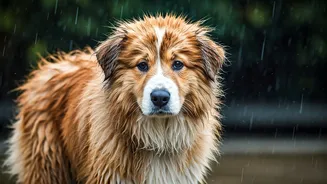
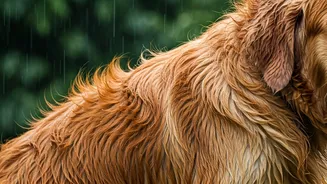
The single biggest culprit behind your pet’s monsoon misery is humidity. [14] High moisture levels in the air, often exceeding 80-90% in India, prevent your pet's coat from drying properly. [13, 14] This trapped dampness, combined with the natural warmth
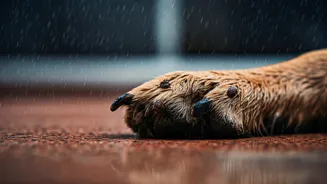
of their body, creates a perfect microclimate for bacteria and fungi to multiply rapidly. [11, 13] Areas with less airflow, like paw pads, the belly, armpits, and skin folds, are particularly vulnerable. [2, 4] This environment weakens the skin's natural defences, making it susceptible to a host of problems that can appear suddenly and escalate quickly. [12, 14]
Common Infections to Watch For
During the rainy season, several types of skin infections become more prevalent. Fungal infections, like ringworm and Malassezia (yeast) overgrowth, are extremely common. [3, 8] Ringworm often presents as circular patches of hair loss, while yeast infections cause greasy skin, intense itching, and a distinct musty odour, especially in skin folds and ears. [5, 18] Bacterial infections, such as pyoderma, can lead to painful, pus-filled sores or red, inflamed patches known as 'hot spots' (acute moist dermatitis). [3, 14] These can develop from a minor scratch or insect bite in the damp conditions. [11] Furthermore, the wet environment is ideal for parasites like fleas and ticks to thrive, which can cause allergic dermatitis and secondary infections from scratching. [11]
Signs Your Pet Needs Help
Early detection is key to preventing minor irritation from becoming a serious issue. Be vigilant for signs of discomfort in your pet. Persistent scratching, licking, or biting at a specific spot is a major red flag. [7] Visually inspect your pet’s skin and coat daily. Look for redness, rashes, bald patches, or any changes in skin texture like flakiness or greasiness. [7, 8] A foul odour coming from the skin or ears is another common symptom of infection, particularly yeast overgrowth. [5] Any weeping sores, scabs, or hair loss warrants immediate attention to prevent the condition from worsening. [11] Remember, sustained paw licking is often an early sign of infection, not just a habit. [4]
A Pet Owner's Prevention Playbook
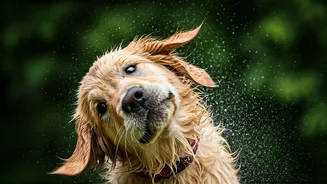
Prevention is your most powerful tool. The number one rule is to keep your pet as dry as possible. [11] After every walk, thoroughly towel-dry their coat, paying special attention to their paws, belly, and any skin folds. [13] For long-haired breeds, a hairdryer on a low, cool setting can be a great help. [10] Regular grooming is also essential; brushing your pet’s coat daily removes trapped debris, prevents matting, and improves air circulation to the skin. [17] Trimming the hair between their paw pads can reduce the amount of mud and moisture they track in. [17] Finally, ensure their bedding is washed and dried frequently to prevent the growth of fungus and bacteria in their sleeping area. [6]
At-Home Care and When to Call the Vet
For minor irritations, keeping the area clean and dry is the first step. Cleaning your pet's paws with gentle soap and water after every walk can prevent infections from taking hold. [10] However, it's crucial to know when to seek professional help. If your pet's scratching is incessant, if you see open sores or weeping lesions, or if a red patch (hot spot) seems to be spreading quickly, it’s time to visit the veterinarian. [5, 14] Do not use human antifungal creams or shampoos unless specifically instructed by your vet. A proper diagnosis is necessary, as a vet may need to prescribe medicated shampoos, topical ointments, or oral medications to effectively treat the specific pathogen causing the problem. [7]