

The Museum at Home
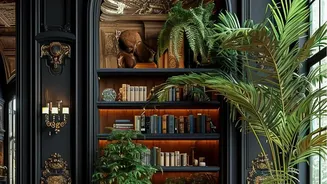
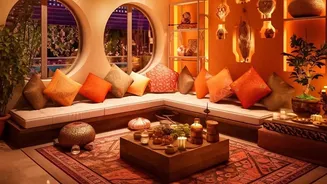
Walk into many Indian homes built a couple of decades ago, and you might find a room that feels more like a museum than a living space. This was the formal drawing room: a place of pride, designed to impress. It often featured imposing, ornately carved
sofa sets, a grand centre table, and precious decor items that were strictly for viewing, not for touching. The primary purpose of this room was not daily relaxation but social performance—a space kept pristine for the right guests. This tradition reflected a cultural emphasis on community status and hospitality, where the home's best face was literally its front room. It was a vocabulary of luxury spoken in sheer size and elaborate furniture, a room to be admired from a distance rather than truly inhabited.
The Great Indoors and Other Catalysts
So, what prompted this significant shift from performative spaces to personal sanctuaries? Several factors have converged. Urbanisation has led to more compact homes, especially in cities, making the idea of an unused formal room a true luxury most cannot afford. The rise of nuclear families, as opposed to larger joint family systems, has also changed household dynamics and needs. Furthermore, global exposure through media and travel has introduced new design philosophies centered on minimalism and functional comfort. The most significant catalyst, however, may have been the pandemic. Forced to spend unprecedented time indoors, people began to see their homes not just as shelters, but as spaces that needed to support work, relaxation, and family life simultaneously. This intense, prolonged connection with our immediate space made us question the utility of rooms designed only for occasional visitors.
Anatomy of a Lived-In Space
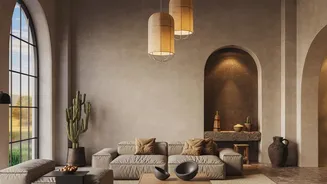
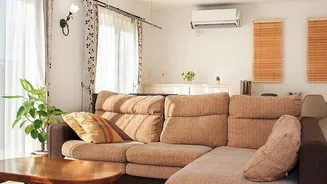
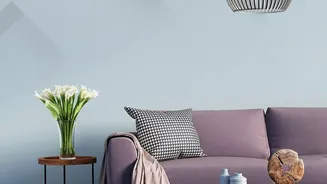
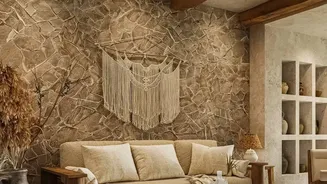
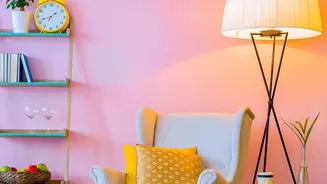
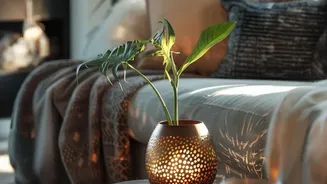
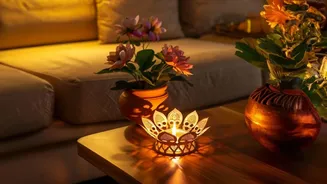
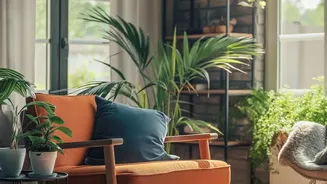
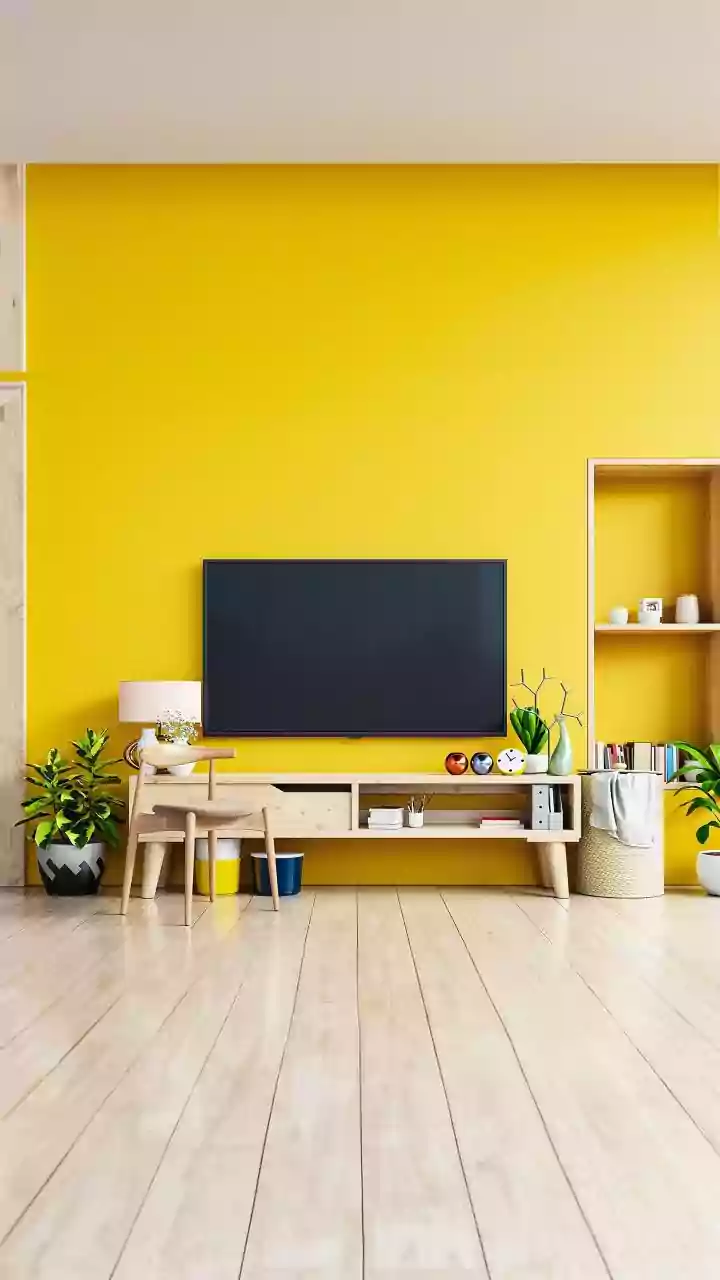
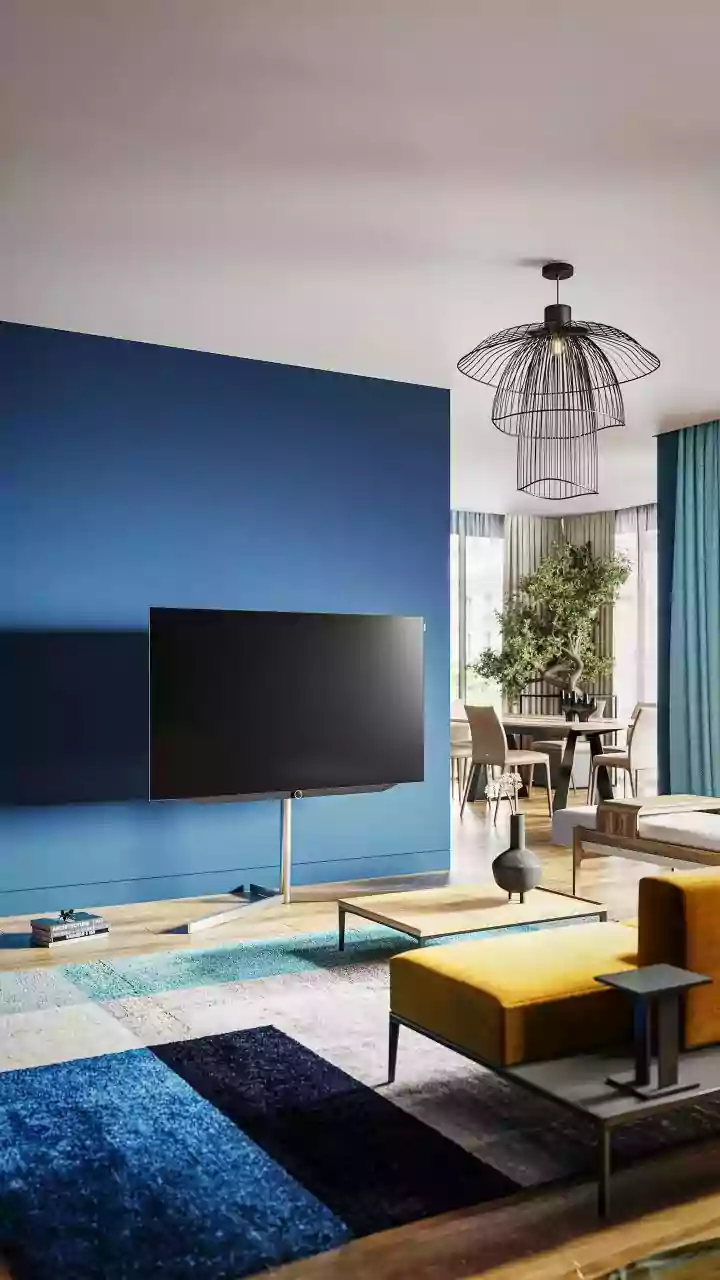
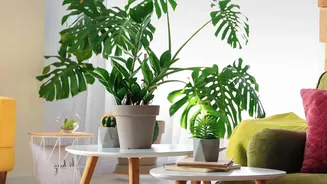
The new Indian living room speaks a different design language. The stiff, formal seating has been replaced by plush, comfortable sofas and modular arrangements that encourage conversation rather than spectating. Sharp, boxy furniture is giving way to softer, curved silhouettes that feel more inviting and are easier to navigate. Warm neutrals like beige, sand, and terracotta have replaced stark greys, creating a cosy and calming atmosphere. There's a renewed love for natural materials like solid wood, cane, and stone, which add texture and a sense of authenticity. Multifunctional furniture—like storage ottomans or coffee tables that can double up for casual meals—has become key, especially in smaller apartments. Above all, these spaces are personal, filled with family photos, collected art, books, and plenty of indoor plants, reflecting the inhabitants' true identity.
A Psychological Shift
This move towards comfort is more than just an aesthetic trend; it's a psychological one. It signifies a shift in values from social validation to personal well-being. Homeowners are now prioritising spaces that offer emotional comfort and a sense of calm in their daily lives. According to designers, the new definition of luxury is less about a home's square footage and more about how beautifully and meaningfully that space is used. It’s about creating an environment that supports mental harmony and reduces stress, where every corner serves a purpose for the people who live there, not just for hypothetical guests. This trend suggests a growing confidence to build homes that are personal and adaptable, questioning the inherited idea that a room must perform a specific social role. In essence, the living room is becoming more human.