




The daily question of 'what's for dinner?' after a long day at work is a familiar struggle for many couples. Batch cooking offers a smart, practical solution to escape the grind of daily meal prep, freeing up your evenings and reducing stress.
The Daily Dinner Dilemma
For many
working couples across India, evenings are a race against time. After navigating long commutes and demanding workdays, the prospect of chopping, grinding, and cooking a fresh meal from scratch can feel exhausting. This often leads to decision fatigue, last-minute takeaways, or repetitive, uninspired meals. The core challenge isn't a lack of desire for wholesome, home-cooked food; it's the lack of time and energy. This is where a strategic approach to cooking can transform your routine and even your relationship.
What Exactly Is Batch Cooking?
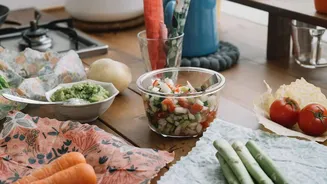
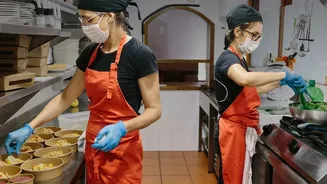
Batch cooking, often called meal prepping, is the simple practice of preparing and cooking meals or meal components in larger quantities to be consumed over several days. It’s not about eating the same leftovers every day. Instead, think of it as creating a personal 'bank' of ready-to-go elements. This could mean making a large pot of dal that can be used for dal fry one day and sambar the next, or preparing a versatile onion-tomato gravy base that drastically cuts down the cooking time for various curries. One or two hours of focused effort on a weekend can save you countless hours during the busy work week.
More Than Just Saving Time
The most obvious benefit of batch cooking is reclaiming your evenings, but the advantages go far deeper. By planning meals, you have greater control over ingredients, leading to healthier eating by reducing sodium, excess fats, and sugars often found in restaurant food. It significantly cuts down on food expenses by encouraging bulk buying and reducing impulsive food delivery orders. Furthermore, it eliminates the daily stress of mealtime decisions, a common source of minor friction for couples. Many find that turning Sunday meal prep into a shared activity—with music, conversation, and teamwork—can become a connecting ritual.
Getting Started: Your Weekend Plan
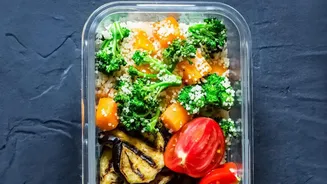
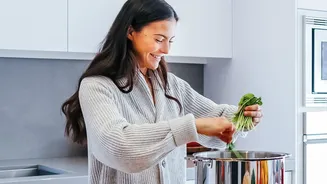
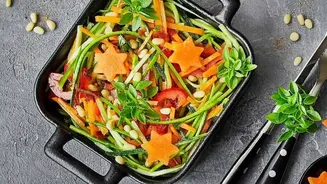
Starting can feel intimidating, so begin small. You don't need to cook seven days' worth of food at once. Aim for two or three dishes. First, plan your meals for the week. Decide on a few core dishes you both enjoy, like a rajma curry, a vegetable pulao, and some paneer tikka. Create a detailed grocery list from your plan. On your designated prep day, put on some music and divide tasks. One person can handle chopping vegetables while the other manages the cooking. Focus on preparing components: cook grains like rice or quinoa, boil a large batch of dal, and make a versatile curry base. This 'modular prep' system allows you to assemble different meals quickly throughout the week.
Smart Tips for Indian Kitchens
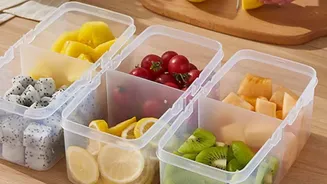
Indian cuisine is perfectly suited for batch cooking because many dishes taste even better the next day as the flavours meld. Focus on prepping the time-consuming elements. Make a large batch of ginger-garlic paste and freeze it in ice cube trays. Prepare and store a basic onion-tomato masala that can form the foundation for numerous curries. Boil a few different kinds of dal and legumes like chickpeas or kidney beans. Chop vegetables like onions, carrots, and beans and store them in airtight containers. You can even make and freeze roti or thepla dough. Having these staples ready transforms a 45-minute cooking process into a 15-minute assembly job.
Storing Your Creations Safely
Proper food storage is crucial to ensure your efforts don't go to waste and your food remains safe. Always let hot food cool down before refrigerating; to speed this up, divide large portions into smaller, shallow containers. Use clear, airtight containers and label them with the contents and date. As a general rule, cooked proteins should be eaten within 3–4 days from the fridge, while cooked vegetables, dals, and grains can last up to 5 days. For longer storage, the freezer is your best friend. Most Indian curries like dal makhani, chole, and palak paneer freeze beautifully. To ensure safety, always reheat leftovers to a high temperature, ensuring they are steaming hot throughout.