





From Afterthought to Main Event
For years, culture was often a pleasant byproduct of travel. You’d pick a destination—say, Goa or Shimla—and then perhaps explore a local church or temple. That model is being turned on its head. According to the newly unveiled India Culture Travel Index
by Skyscanner, the script has flipped. The report, based on a survey of 2,000 Indian travellers, found that a staggering 84% have a growing interest in culture-led travel within India. More importantly, 67% of travellers are now actively planning their entire holidays around at least one key cultural experience, be it a historic site, a vibrant festival, or a culinary journey. Culture is no longer an item on the itinerary; it is the itinerary. This index serves as a new kind of planning tool, one that helps travellers understand their own motivations and discover destinations that truly align with them.
Rediscovering India's Roots
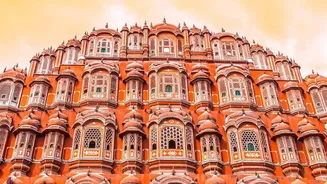
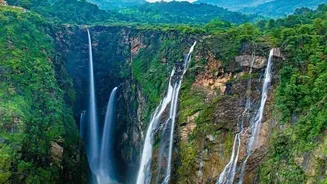
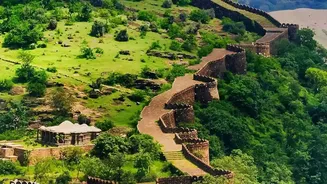
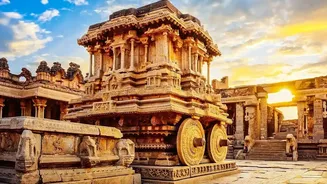
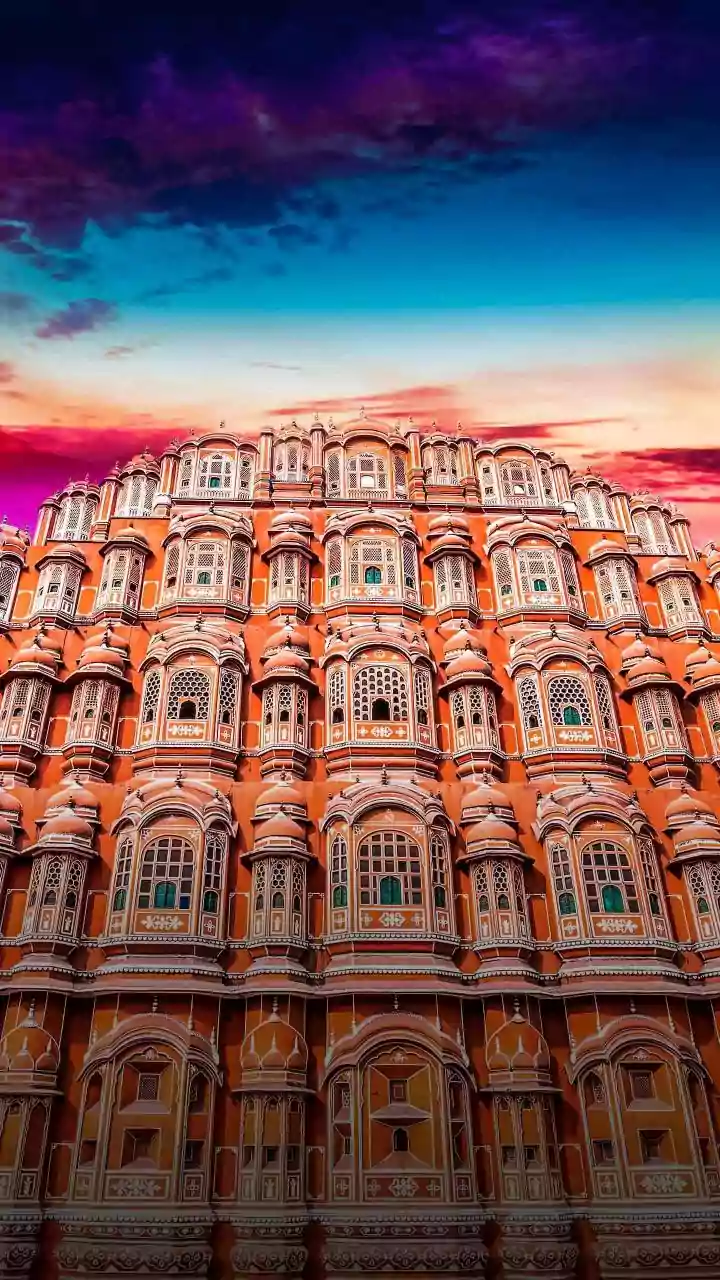
At the heart of this movement is a powerful desire to connect with the past. The Skyscanner index reveals that heritage and historical sites are the single biggest motivator, with nearly half of travellers (47%) saying they would plan a trip specifically to visit one. This trend is driving traffic to states celebrated for their rich history and architectural splendour. Destinations in Kerala, Rajasthan, and Uttarakhand are seeing renewed interest as travellers look to explore ancient forts, serene backwaters, and living traditions. This is not just about ticking off UNESCO sites from a list. It’s about seeking a deeper connection to India's narrative and finding personal meaning in its centuries-old stories.
Following the Festivals and Flavours
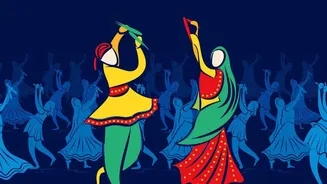
Beyond monuments, travellers are letting their calendars and their appetites guide their plans. Festival tourism has exploded, with 72% of travellers willing to plan a trip just to attend a specific cultural or religious event. The data shows massive interest in planning journeys around Durga Puja, Ganesh Chaturthi, and the vibrant Navratri Garba celebrations. Similarly, food is becoming a valid reason to travel, with 43% of Indians organising trips around regional food experiences. This transforms a holiday from a simple break into an immersive, once-a-year experience that is deeply tied to a specific time and place. Instead of asking "Where should we go in October?", travellers are now asking "Where is the best place to experience Navratri?".
The Smart and Deliberate Planner
This new focus on culture has created a more intentional type of traveller. These trips are not last-minute decisions. A significant 40% of travellers begin planning their culture-focused journeys three to six months in advance, suggesting a thoughtful and deliberate process. Younger travellers, particularly Gen Z, are leading the charge in using modern tools for this ancient quest. Described as an 'AI native' generation, they leverage social media, YouTube, and AI-powered search tools to dive deep into the cultural context of a place before they even book a flight. They ask specific questions about architectural styles or local crafts, using technology to ensure their trip is as authentic and enriching as possible.
Exploring Beyond the Metros
This quest for authenticity is also redrawing the tourist map of India. The index highlights a trend of 'Open Discovery,' where travellers are increasingly willing to look beyond the usual hotspots. One in four Indian travellers is now heading to Tier 2 and Tier 3 towns for more intimate and unique cultural experiences. This shift not only provides travellers with a more genuine connection to local life but also brings economic benefits to smaller communities. Driven by inspiration from social media and a desire to escape overcrowded tourist hubs, people are finding that a trip to a lesser-known town can offer a richer and more memorable cultural immersion than a busy capital city.