





The Search for Deeper Rest
The frantic pace of urban life, endless screen time, and post-pandemic burnout have left many feeling drained, even after a typical vacation. In response, a significant trend is emerging: travellers are consciously choosing holidays designed for genuine
rest and mental resetting. Instead of returning from a trip feeling like they need another one to recover, people are seeking experiences that offer a true pause. This has propelled wellness tourism into the mainstream, with travellers asking, 'Can I come back healthier than when I left?'. The market reflects this demand, with India's wellness tourism sector experiencing robust growth, valued at approximately USD 30.95 billion in 2026 and projected to expand significantly. This shift is less about luxury and more about intention—trading crowded tourist spots for quiet, restorative spaces.
What a Wellness Holiday Looks Like
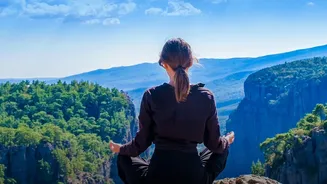
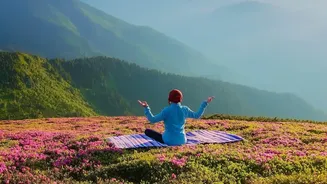
Wellness travel is no longer just a niche concept limited to expensive spas or rigorous yoga retreats. Its definition has broadened to include any journey where the primary goal is to enhance mental, physical, or spiritual well-being. For some, this might mean a digital detox retreat to combat screen fatigue, a segment projected to grow rapidly. For others, it's a stay in a place with clean air, where they can enjoy slow mornings, mindful meals, and nature walks. These holidays are often built around activities like guided meditation, Ayurvedic consultations, or simply unstructured time in nature. The focus is on balance—providing enough structure to be beneficial without feeling like a chore. Destinations like Kerala, known for Ayurveda, and Rishikesh, the yoga capital, are popular choices, but so are quiet homestays in the mountains of Himachal Pradesh or the serene backwaters.
From Concrete Jungles to Green Sanctuaries
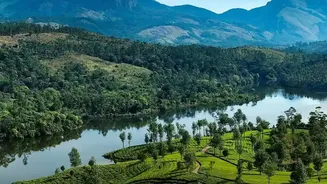
This movement is intrinsically linked to a renewed appreciation for nature. Travellers are increasingly drawn to India's vast and varied landscapes, from the Himalayan foothills to coastal sanctuaries. Forests and jungles cover over 20% of the country, offering a remarkable array of biodiversity and pristine environments perfect for unplugging. Destinations are chosen for their healing qualities: the misty hills of Munnar, the lush valleys of Uttarakhand, or the tranquil beaches of Gokarna. National parks and eco-lodges are also gaining popularity, attracting tourists who want to connect with wildlife and support sustainable travel practices. The appeal lies in the simplicity and the profound sense of calm that comes from being immersed in a natural environment, far from the noise and pollution of city life.
An Industry in Transformation
The travel and hospitality industry is quickly adapting to this evolving demand. It's no longer enough to just offer a room with a view. Hotels and resorts are now curating holistic experiences. Major hotel chains are integrating wellness wings, while new eco-wellness lodges are emerging as a fast-growing accommodation category. Tour operators are designing itineraries centred around preventive health, stress management, and emotional healing. This shift is also supported by government initiatives, such as the introduction of the e-Ayush visa, which simplifies travel for those seeking traditional Indian healing practices like Ayurveda and yoga. This alignment between consumer desire and industry offerings suggests that wellness travel is not a fleeting trend but a fundamental reshaping of India's tourism landscape.