






The Science of a Full Freezer
The magic behind an efficient freezer is a concept called thermal mass. Frozen items act like cold batteries. Each time you open the freezer door, cold air rushes out and is replaced by warmer room air. Your freezer's compressor then has to work hard
to cool that new air back down to 0°F (-18°C), the recommended temperature for safe, long-term storage. When the freezer is packed, there's simply less air to replace. Furthermore, the frozen goods—the thermal mass—help to quickly chill any warm air that does get in, meaning the compressor runs for a shorter time. This not only saves energy but also helps in a power outage. A full freezer can keep food frozen for up to 48 hours, twice as long as a half-empty one.
Why Organisation Is Essential
Simply stuffing your freezer to the brim isn't the solution. An overpacked and disorganised freezer can be just as inefficient. The key is balance: full but organised. Your freezer relies on air circulation to distribute the cold evenly. If you block the air vents—typically located on the back or side walls—you create warm spots, forcing the appliance to work harder and increasing the risk of freezer burn on your food. Proper organisation ensures that air can flow freely around the items while still benefiting from the high thermal mass. A well-ordered freezer also means you spend less time with the door open searching for that bag of peas, which further reduces energy use.
Smart Packing Strategies
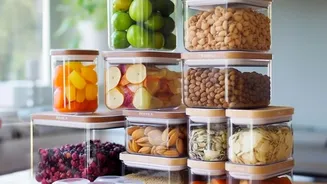
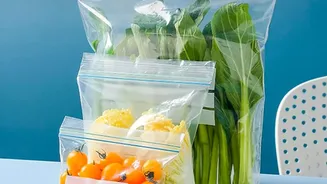
To achieve that perfect balance, think like a supermarket stocker. First, know where your air vents are and keep them clear. Whenever possible, freeze items flat. Soups, sauces, and ground meat stored in freezer bags can be laid flat to freeze, then stacked vertically like books. This method is incredibly space-efficient and makes items easy to find. For bulkier items, use stackable, clear, and freezer-safe containers. Rectangular or square containers are far more space-efficient than round ones. Group similar items together in bins or designated zones: one for meats, one for vegetables, another for pre-made meals. This system makes retrieval quick and painless.
The Art of Labeling and Inventory
An organised freezer is only useful if you know what's in it. Every item should be labeled with its contents and the date it was frozen. Use a permanent marker on freezer tape or the container itself. This simple step prevents you from unearthing a mystery container months later and helps you follow the 'First In, First Out' (FIFO) rule. By placing newer items at the back and older ones at the front, you ensure food is used while it's still at its best quality. For extra credit, keep a running inventory list on the freezer door or on your phone. It prevents you from buying duplicates and gives you a clear picture of what meals you can make.
Filling the Gaps Intelligently
What if you don't have enough food to fill your freezer? You can still take advantage of the thermal mass principle by filling the empty space with non-food items. Jars or plastic bottles filled three-quarters full with water are an excellent choice (leave room for the water to expand as it freezes). Not only will they help your freezer run efficiently, but they also double as ice packs for coolers or to keep food cold during a power cut. Other options include using bags of shipping peanuts, crumpled newspaper, or even empty plastic containers with the lids on to take up space and reduce the volume of air.