






The Undeniable Pinch of Inflation
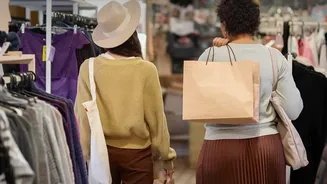
The most straightforward reason for the spending pullback is the persistent pressure on household budgets. With retail inflation climbing to 5.54% in September and food inflation even higher at 7.74%, families are feeling the strain. When the cost of
daily essentials like groceries and transport rises, discretionary spending is the first to be reassessed. A survey by LocalCircles indicates that total urban festive spending is estimated to fall by 6% in 2026 compared to the previous year. This economic caution means that grand, over-the-top decorations and an extensive list of obligatory gifts are being replaced by more practical financial decisions. For many, the choice is not about celebrating less, but about celebrating smarter within a tighter budget.
The Conscious Choice for Minimalism
Beyond financial constraints, a significant cultural shift is underway. Many urban shoppers are voluntarily embracing a 'less is more' philosophy. This move towards mindful consumption means prioritising quality over quantity and value over volume. Instead of buying numerous small, impulsive items, consumers are making more deliberate, high-value purchases that will last. The trend is less about forced austerity and more about a conscious rejection of the wastefulness associated with fast-changing decor trends and single-use festive products. This mindset values a clean, uncluttered home and a celebration focused on people and traditions, rather than an accumulation of material goods. It is a quiet rebellion against the pressure to 'buy more' each festive season.
Sustainability Finds a Seat at the Table
Environmental awareness is increasingly influencing purchasing decisions, especially among younger metro consumers. The waste generated by plastic decorations, synthetic fabrics, and elaborate gift wrapping is a growing concern. In response, there is a rising demand for sustainable and eco-friendly alternatives. Shoppers are actively seeking out decor made from natural and biodegradable materials like clay, terracotta, brass, jute, and bamboo. These items are not only better for the planet but also support local artisans and preserve traditional craftsmanship, adding a layer of meaning to the celebration. Gifting is also getting a green makeover, with a preference for plantable stationery, upcycled products, and reusable packaging like cloth bags.
Gifting Experiences, Not Just Things
The nature of gifting itself is evolving. In a post-pandemic world where connections are cherished more than ever, there is a noticeable pivot towards gifting experiences over physical objects. Rather than another gadget or piece of clothing, people are choosing to give memories. This could be a curated meal at a new restaurant, a weekend trip, a subscription to a workshop, or tickets to a concert. These gifts are seen as more personal and meaningful, fostering relationships without adding to household clutter. This shift aligns perfectly with the broader trend of seeking authenticity and joy in shared moments rather than in possessions, fundamentally changing what it means to give a 'good' gift during the festive season.
A New Definition of a Festive Home
Ultimately, the trend reflects a redefinition of what makes a home feel festive. It's moving away from a spectacle of newness and excess towards a more authentic and personal expression. A few handcrafted diyas, a traditional handloom runner, and the aroma of home-cooked food are taking precedence over imported serial lights and mass-produced plastic ornaments. Shoppers are discovering that a thoughtful, restrained approach does not diminish the festive spirit. Instead, it enhances it by focusing on tradition, sustainability, and meaningful connections. This season, the most beautiful homes may not be the ones with the most decorations, but the ones decorated with the most intention.