





The Humid Run Hangover
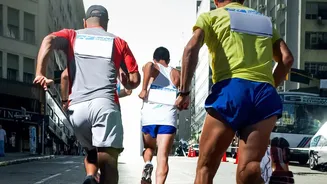
Training in a humid urban environment like Mumbai, Chennai, or Kolkata presents a unique challenge. When the air is saturated with moisture, your sweat doesn't evaporate efficiently. This is your body's primary cooling mechanism, and when it's compromised,
your core temperature stays higher for longer. Your heart works harder to pump blood to the skin to try and cool you down, placing extra strain on your cardiovascular system. This accumulated stress means recovery isn't just about resting tired legs; it's about helping your entire system bounce back from significant heat-related fatigue. The result is often prolonged muscle soreness, a feeling of sluggishness, and a tougher next run.
A Simple Tool: Contrast Water Therapy
Enter contrast water therapy (CWT), a recovery technique long used by elite athletes that is perfectly suited for a home bathroom. In its simplest form, it’s the practice of alternating between hot and cold water in your shower. You don’t need a fancy ice bath or a professional spa. This technique leverages your body’s natural reactions to temperature changes to accelerate the recovery process, making it an ideal habit for runners tackling India's demanding climates. It's a low-cost, high-impact tool that directly addresses the inflammation and circulatory challenges that come with intense exercise.
The Science of Hot and Cold
The magic of contrast showers lies in a physiological process of expansion and contraction. When you expose your body to hot water, your blood vessels widen in a process called vasodilation. This increases blood flow, bringing oxygen and nutrients to your tired muscles. When you switch to cold water, your blood vessels rapidly narrow, a process known as vasoconstriction. This helps reduce inflammation and swelling. By alternating between the two, you create a “pumping” action in your circulatory system. This dynamic process helps to flush out metabolic waste products, such as lactic acid, that build up in your muscles during a hard run and contribute to soreness. Think of it as giving your circulatory system a workout to help clean and repair your muscles more efficiently.
Your Post-Run Shower Protocol
Integrating this into your routine is simple. After your run, hop into the shower and follow this easy protocol. Remember to always listen to your body and start gradually. 1. Start with a normal shower to clean off. Then, turn the water to a comfortably hot temperature for about three minutes. Focus the water on the muscles you worked the hardest, like your calves, quads, and hamstrings. 2. Next, turn the water to the coldest setting you can tolerate for 30 to 60 seconds. Brace yourself; the initial shock is part of the process. Deep, steady breathing can help manage the sensation. 3. Repeat this cycle of three minutes hot and one minute cold another two to three times. 4. Always finish your session on a cold cycle. This helps to maximise the anti-inflammatory benefits, leaving your muscles primed for recovery.
Who Should Be Cautious?
While contrast showers are generally safe for most healthy individuals, the rapid changes in blood pressure and heart rate mean they aren't for everyone. People with pre-existing health conditions should exercise caution and consult a doctor before trying this method. This includes individuals with cardiovascular disease, high blood pressure, diabetes, or circulatory disorders like Raynaud's disease. The extreme temperatures can put undue stress on the system if it's already compromised. If you ever feel dizzy, lightheaded, or excessively uncomfortable during the process, stop immediately. The goal is recovery, not adding another stressor to your body.