







A staple in Indian kitchens, jeera water has gained fame as a wellness drink promising everything from weight loss to detoxification. But how much of this is true? It's time to look past the hype and see what the science actually says.
Claim: It's a Weight Loss Wonder
The most popular
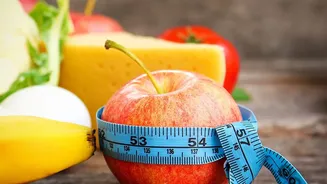
claim is that cumin water 'melts' belly fat. The reality is more nuanced. No single drink can target fat in one specific area of your body. Weight loss occurs when you burn more calories than you consume. However, cumin water can play a supportive role. Some studies have found that cumin, often in supplement form, may contribute to modest reductions in weight and waist circumference when part of a healthy diet. Its real benefit may be indirect: replacing sugary morning teas or juices with unsweetened jeera water lowers your daily calorie intake, and staying hydrated can help manage hunger. So, while it's not a magic potion, it can be a healthy habit within a larger weight management plan.
Claim: A Miracle for Digestion
Here, tradition and science align more closely. Cumin has long been used to soothe the stomach, and for good reason. Compounds in cumin, like thymol, stimulate the production of digestive enzymes, which helps your body break down fats, sugars, and proteins more efficiently. This can lead to reduced bloating, gas, and general indigestion. Studies have even shown that cumin extract can help alleviate symptoms in people with Irritable Bowel Syndrome (IBS). However, it's not a cure-all. For chronic or severe digestive issues like gastritis or ulcers, cumin water can offer temporary relief but cannot replace medical diagnosis and treatment.
Claim: It Controls Blood Sugar and Cholesterol
There is promising research in this area. Several studies suggest that bioactive compounds in cumin may help improve insulin sensitivity and lower fasting blood sugar levels. Similarly, some trials have shown that cumin can help lower 'bad' LDL cholesterol and triglycerides while increasing 'good' HDL cholesterol. The important distinction, however, is that many of these studies used concentrated cumin extracts, powders, or oils—not just homemade jeera water. Therefore, while cumin as a spice shows potential for supporting metabolic health, relying solely on cumin water to manage diabetes or high cholesterol would be unwise and is not a substitute for prescribed medication.
Claim: It's a Powerful Detox Drink
The word 'detox' is a major red flag in the wellness world. The idea that you need a special drink to 'flush out toxins' is largely a myth. Your body has a highly efficient, built-in detoxification system: the liver and kidneys. While cumin contains antioxidants that support liver health, no scientific evidence suggests that jeera water 'cleanses' your organs in the dramatic way that is often claimed. The primary benefit you get from any 'detox' water is hydration. Staying well-hydrated is crucial for kidney function, but plain water works just as well. Jeera water is simply a more flavourful way to achieve that hydration.
What About the Downsides?
For most people, a daily glass of cumin water is perfectly safe. However, excessive consumption can sometimes lead to side effects. The most common is heartburn or acidity. Because it can lower blood sugar, individuals on diabetes medication should be cautious, as it could potentially drop levels too much. It may also have mild blood-thinning properties, so those with bleeding disorders or who are taking anticoagulant medication should consult a doctor. Moderation is key; one glass a day is generally considered a safe amount for most healthy adults.