



From Seeing Sights to Seeking Souls
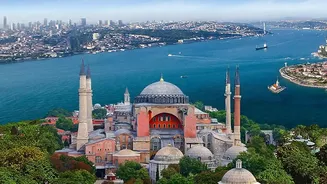
For decades, the mark of a well-travelled person was a list of sights seen and countries ticked off. The goal was often to capture the perfect photo in front of a famous landmark. Today, a new philosophy is taking root. Travellers are increasingly prioritising
meaningful, intentional experiences over simply covering ground. This approach, often called 'authentic' or 'experiential' travel, is less about where you go and more about how you engage with the place. It's the difference between seeing a temple from a tour bus and sharing a meal with the family who lives next to it. Recent industry reports show that a majority of travellers are now actively looking for experiences that are representative of the local culture, signalling a move from passive observation to active participation.
The Why Behind the Shift
Several factors are driving this change in travel habits. The post-pandemic world has left many with a renewed appreciation for real-life bonds and a desire to make up for lost time with loved ones, leading to more multi-generational and group trips. There’s also a growing sense of digital fatigue. In an age of endless scrolling and curated online personas, people are craving real-world interactions that feel unscripted and genuine. This desire for authenticity is a powerful motivator, pushing travellers to seek out experiences that offer personal growth and a deeper understanding of the world, rather than just another picture for social media. Psychologically, this taps into a fundamental human need for novelty and connection, which travel is uniquely positioned to fulfill.
What Connection-Based Travel Looks Like
This trend manifests in many forms, with homestays being one of the most prominent examples. The homestay market in India, for instance, is experiencing explosive growth. Travellers are choosing to stay in a spare room in a family's home over a standardised hotel, not just for affordability, but for the priceless opportunity to experience daily life, eat home-cooked food, and forge real relationships with their hosts. Beyond accommodation, this trend is visible in the rise of local workshops, food tours with residents, and community-based tourism projects. Initiatives in states like Himachal Pradesh and Sikkim actively promote such models, ensuring that tourism income directly benefits local communities, particularly women.
A More Mindful Way to Explore
This evolution in travel is not just about the traveller's personal fulfilment; it has broader positive implications. When travellers seek out local businesses, artisans, and guides, their spending directly supports the local economy and encourages the preservation of cultural heritage. It fosters a sense of mutual respect and understanding between visitors and hosts, breaking down stereotypes and building bridges. This conscious way of travelling is a move away from the extractive model of mass tourism and towards a more sustainable, regenerative approach that benefits both people and the planet. By prioritising connection, travellers are not just creating better holidays for themselves, but are also contributing to a more equitable and interconnected world.