







From Nuisance to Nirvana
For decades, the prevailing wisdom for travel in India was to avoid the monsoon. The rains meant cancelled plans, logistical hassles, and the closure of popular circuits. But that perception is undergoing a dramatic shift. The contemporary Indian traveller
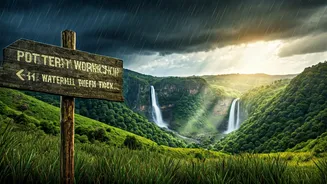
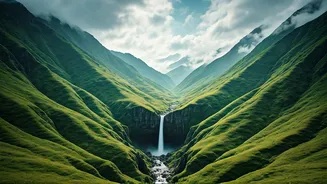
is no longer just tolerating the monsoon; they are actively seeking it out. The sound of rain on a tin roof, the scent of wet earth (petrichor), and the sight of overflowing waterfalls are becoming the very reasons to pack a bag. This isn't about enduring the rain—it's about embracing it as the main attraction, a seasonal spectacle that transforms familiar landscapes into something magical and new.
The Great Outdoors Beckons
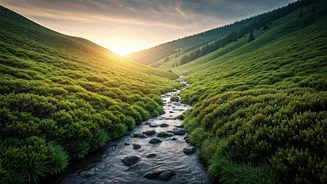
This trend is about more than just a change in seasonal preference; it reflects a deeper change in traveller priorities, significantly accelerated by the pandemic. After months of being confined indoors, there's a collective yearning for open spaces, fresh air, and a tangible connection with the natural world. This has fuelled a boom in what is being termed 'nature-first' travel. This approach prioritizes destinations where the environment itself is the primary experience. Think less about ticking off monuments and more about forest bathing, trekking through misty hills, or simply watching the clouds roll in from the veranda of an eco-lodge. It’s a conscious move away from over-crowded tourist traps towards quieter, more immersive escapes.
What 'Nature-First' Really Means
So, what defines a 'nature-first' monsoon trip? It goes beyond simply picking a green destination. It involves a holistic approach that values sustainability and authenticity. Travellers are increasingly opting for boutique eco-resorts, homestays, and farm stays that are integrated with their local environment, rather than large, sterile hotels. Activities are centred around the landscape: guided nature walks to spot endemic species, birdwatching tours that take advantage of migratory patterns, and even workshops on local agriculture. The goal is not to conquer nature, but to observe and appreciate it. This slow, mindful form of tourism allows for a deeper engagement with a place, turning a simple holiday into a restorative experience.
Hotspots of the Green Rush
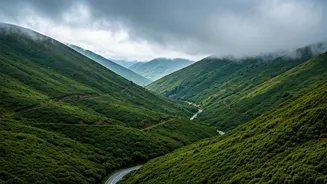
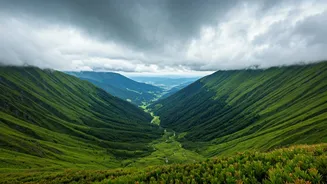
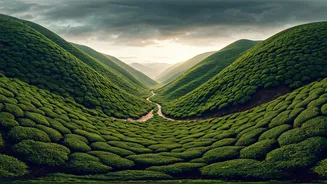
While the entire country is painted in vibrant green during the monsoon, certain regions have become epicentres of this nature-first movement. The Western Ghats are a prime example, with destinations like Coorg in Karnataka, Wayanad in Kerala, and the hills around Lonavala in Maharashtra offering a breathtaking display of seasonal beauty. Here, the rain revitalizes sprawling coffee plantations and dense rainforests, creating a paradise for trekkers and nature lovers. Similarly, the Northeast, with its rolling hills in Meghalaya—the 'abode of the clouds'—and the unique landscapes of Sikkim, offers an offbeat and powerful monsoon experience. Even states like Goa, traditionally seen as a winter sun destination, are attracting visitors who prefer the serene, rain-drenched beauty of its quiet season over the peak-season crowds.
The Rise of the Conscious Traveller
At the heart of this trend is a new kind of traveller: one who is more informed, environmentally conscious, and digitally savvy. They research heavily, value peer reviews, and are drawn to brands and properties that demonstrate genuine ecological responsibility. This is not the passive tourist of yesterday; this is an active participant who wants their travel to have a positive impact, or at least a minimal footprint. They are willing to pay a premium for unique experiences that align with their values, driving the hospitality industry to innovate and offer more sustainable and authentic products. This 'monsoon mood' is, therefore, a reflection of a more mature and thoughtful Indian traveller.