






Cleanse Thoroughly, But Gently
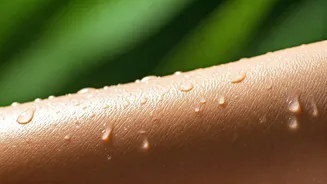
With high humidity, your skin produces more sweat and oil, which can mix with dirt and clog pores, leading to breakouts. [9, 16] It's crucial to cleanse your face twice a day. [9, 12, 16] Opt for a gentle, pH-balanced, or salicylic acid-based face wash
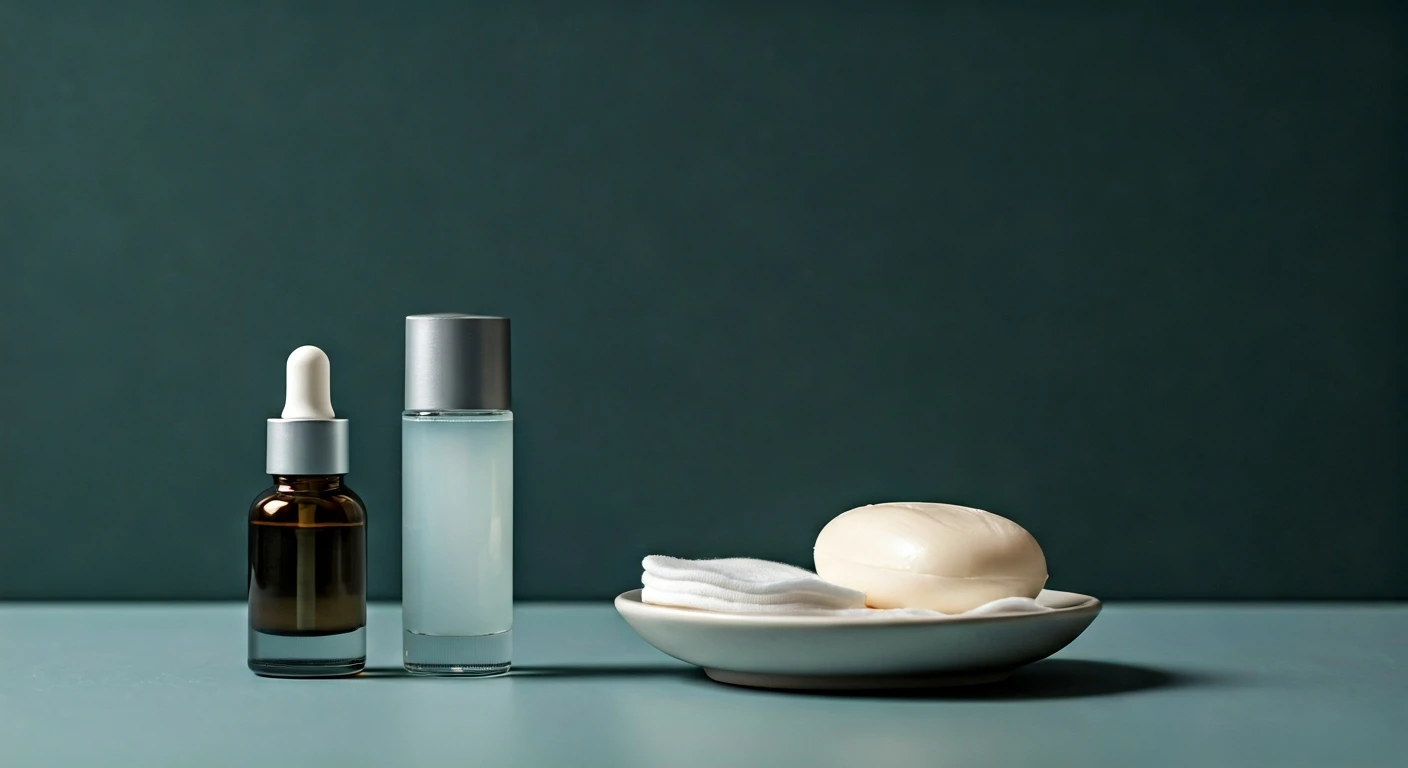
that removes grime without stripping your skin's natural moisture barrier. [4, 12] Over-washing or using harsh cleansers can backfire, causing your skin to produce even more oil to compensate. For those who wear makeup or feel extra grimy, double cleansing—using an oil-based cleanser followed by a water-based one—can be particularly effective at keeping pores clear. [13]
Switch to a Lightweight Moisturiser
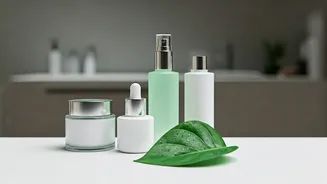
It might feel counterintuitive to moisturise when your skin already feels sticky, but skipping this step is a mistake. Dehydrated skin can overproduce oil, making matters worse. [4] The key is to swap your heavy creams for a lightweight, non-comedogenic (pore-clogging) moisturiser. [10, 22] Gel or water-based formulas are ideal for Indian monsoon weather as they absorb quickly without leaving a greasy film. [2, 31] Look for ingredients like hyaluronic acid, which provides intense hydration without the weight, and niacinamide, which helps regulate oil production and improve skin texture. [9, 24, 32]
Don’t Skip Sunscreen, Even When It's Cloudy
This is one of the most overlooked monsoon skincare rules. Don't let grey skies fool you; up to 80% of the sun's harmful UV rays can penetrate clouds and cause damage like tanning, premature ageing, and pigmentation. [3, 6, 8] In fact, wet surfaces like roads and puddles can reflect UV rays, increasing your exposure. [5, 20] Make it a non-negotiable habit to apply a broad-spectrum sunscreen with at least SPF 30 every single day. [6, 11] For humid conditions, choose a lightweight, gel-based, or non-greasy formula that won't feel heavy or clog your pores. [5, 7]
Exfoliate, But Don't Overdo It
Regular exfoliation is essential to slough off dead skin cells that can accumulate and clog pores, leading to a dull complexion and acne. [28] However, it's important to be gentle. Over-exfoliating can damage your skin's protective barrier and cause irritation. [6] Stick to exfoliating once or twice a week with either a mild physical scrub or, even better, a chemical exfoliant. [6, 11, 19] Products containing Alpha Hydroxy Acids (AHAs) or Beta Hydroxy Acids (BHAs) like salicylic acid can effectively clear pores and improve skin texture without harsh scrubbing. [18]
Embrace a Weekly Clay Mask
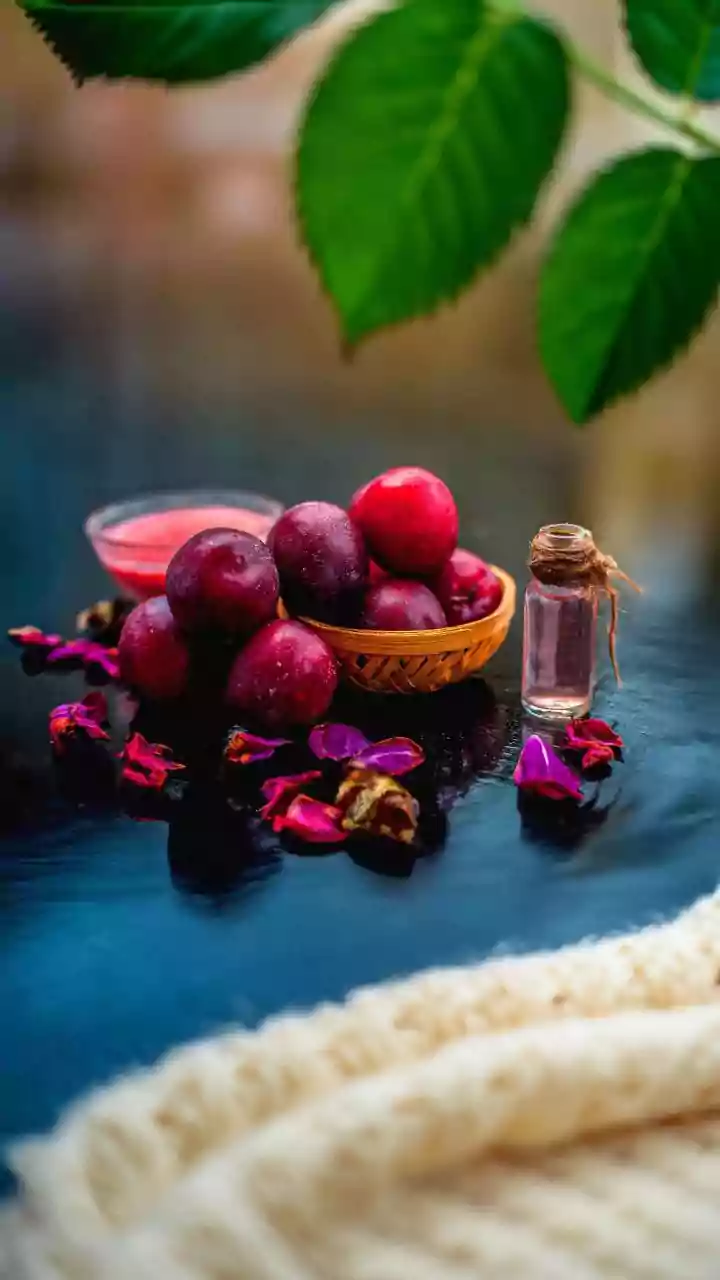
A weekly face mask is a great way to give your skin some extra TLC. During the monsoon, clay masks are particularly beneficial for absorbing excess oil and impurities. [19] Multani mitti (Fuller's Earth) is a traditional and highly effective choice, known for its ability to soak up sebum, unclog pores, and provide a cooling sensation. [23, 26] You can create a simple paste with rose water for oily skin, or mix it with ingredients like aloe vera or honey if your skin is on the drier side. [30, 34] Use it once a week to keep oiliness in check and your skin feeling refreshed.
Mind Your Makeup and Hygiene
Heavy makeup can trap sweat and oil, creating a perfect breeding ground for acne. [7, 12] If possible, go for a minimal makeup look during the monsoon. When you do wear it, opt for lightweight, water-based, or non-comedogenic products. [7] It's also a good time to be mindful of general hygiene. The damp environment can harbor bacteria and fungi. [16] Avoid touching your face with unwashed hands, change your pillowcases and towels frequently, and be sure to keep skin folds dry to prevent fungal infections. [6, 16]
Hydrate From the Inside Out
What you put inside your body is just as important for your skin's health. Staying hydrated is crucial, as water helps flush out toxins and keeps your skin looking plump and healthy. [15, 17] Aim to drink plenty of water throughout the day. A balanced diet rich in fresh fruits and vegetables provides essential vitamins and antioxidants that help fight skin damage and promote a natural glow. [17] Try to limit overly processed and sugary foods, which can sometimes trigger breakouts. [17]