

The Chef as Storyteller
One of the biggest drivers of this trend is the chef. A multi-course tasting menu allows a chef to take complete control of a diner's experience, transforming a meal into a story. Instead of guests picking and choosing from an à la carte menu, they are
guided through a curated progression of dishes. Each course is a chapter, designed to showcase a specific ingredient, a modern technique, or a personal memory. Chefs like Prateek Sadhu of Naar and Hussain Shahzad of Papa's use this format as their ultimate expression, arguing that it's the best way to convey their culinary philosophy. It’s a move away from just serving food to crafting an unforgettable, narrative-driven experience where diners are encouraged to be curious.
A Taste of Global Travel
As more Indians travel internationally, their palates and expectations have evolved. They return from trips abroad having experienced different dining formats, including the degustation menus popular in global food capitals. This exposure has made urban diners more adventurous and open to letting a chef guide their meal. The format, which first gained a foothold over a decade ago in restaurants like Indian Accent, is no longer seen as a foreign concept but as a sign of a sophisticated, globally-aware culinary scene. This rising diner confidence means people are now actively seeking out these curated experiences, willing to trust the chef's vision.
Dining Becomes Entertainment
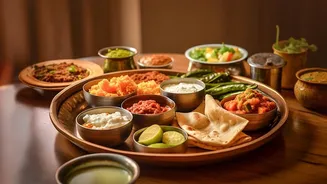
A multi-course meal is more than just dinner; it’s an event. Lasting anywhere from two to four hours, these meals are a form of entertainment in themselves. For a generation that increasingly values experiences over possessions, a long, elaborate tasting menu offers a memorable evening out. The slow pacing and the explanation that accompanies each course encourage conversation and engagement with the food. Restaurants are leaning into this, with some creating highly theatrical presentations, turning South Indian classics into multi-sensory performances or presenting modern Indian dishes like installations of performance art. This elevates the meal from sustenance to a full-fledged show.
The Instagram Effect
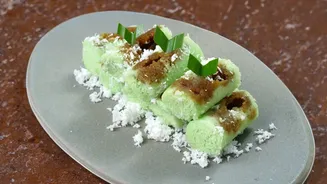
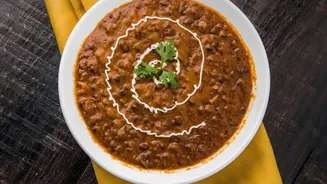
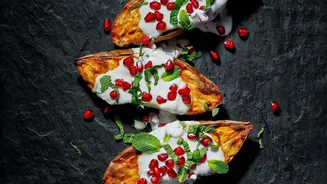
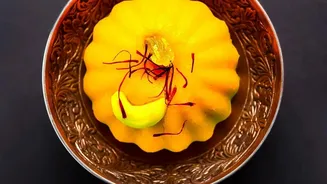
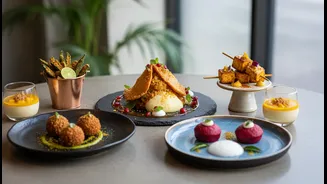
In the age of social media, the visual appeal of food is paramount. Multi-course meals are inherently photogenic. Each small, artfully plated dish is a new piece of content, a new opportunity for a photo or a Reel. For many younger diners, Instagram is the primary tool for discovering where to eat, and a tasting menu provides a steady stream of beautiful visuals to share. Restaurants are aware of this, designing everything from the lighting to the plating to be camera-friendly. The organic marketing generated by diners sharing their 10- or 14-course journey is a powerful business driver.
Smart Business for Restaurants
Beyond the creative appeal, tasting menus make solid business sense. By offering a fixed menu, restaurants can forecast their ingredient needs with high precision, which significantly reduces food waste. It also streamlines kitchen operations, allowing the team to focus on executing a smaller number of dishes perfectly, ensuring consistency. While the price per head can be high, diners are increasingly willing to pay for a unique experience. This pricing model can lead to better profit margins and more predictable revenue, which is especially beneficial for smaller, chef-driven establishments.