


Strategic Relocation is Your First Defence
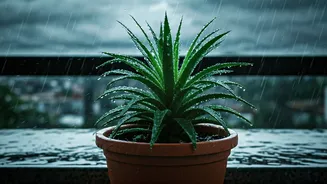
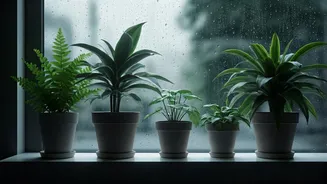
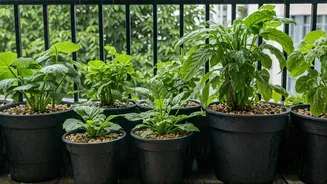
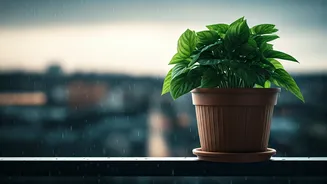
The most straightforward method to protect plants is to move them. If you have plants on an exposed balcony or windowsill, bring them indoors or move them to a sheltered area like a covered patio or under an awning before a downpour. For larger pots that
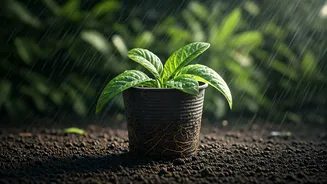
are difficult to move, consider using temporary rain covers like waterproof tarpaulins to shield them from the brunt of the storm. This simple step prevents physical damage from strong winds and intense rain, which can batter leaves and break stems.
Good Drainage is Non-Negotiable
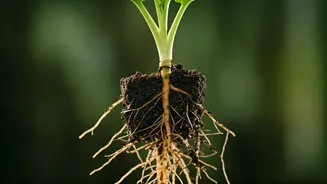
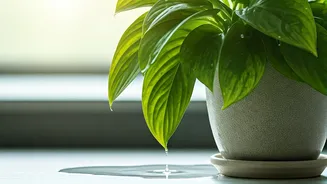
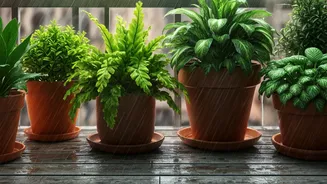
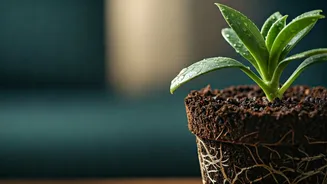
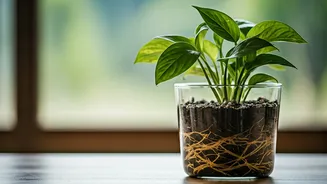
The single biggest threat during the rainy season is waterlogged soil, which leads to root rot, a fungal disease that can quickly kill a plant. Ensure every pot has adequate drainage holes at the bottom. If you notice water pooling on the soil's surface, the drainage is insufficient. Using a well-draining potting mix, often containing perlite or coarse sand, is crucial. Avoid letting pots sit in saucers filled with water; empty them regularly after it rains to prevent the soil from reabsorbing the excess moisture.
Elevate Your Pots
A simple but highly effective trick is to elevate your pots off the ground. Placing containers on pot feet, bricks, or small stands creates a gap that allows water to escape freely and improves air circulation around the base. This prevents the drainage holes from getting blocked and stops the pot from sitting in a puddle, a common issue on flat balcony floors during heavy showers. Even a small lift of a few centimetres can make a significant difference in preventing root suffocation.
Adjust Your Watering Schedule
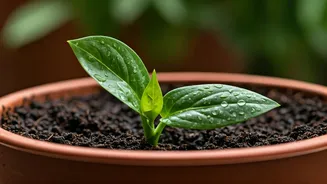
During the monsoon, the air is already heavy with humidity, and the soil dries out much more slowly. It's a common mistake to stick to your usual watering routine, which can easily lead to overwatering. Always check the soil before adding more water. A good rule of thumb is to stick your finger about two inches deep; if it feels moist, wait another day or two before watering. Rainwater is beneficial for plants, but too much of a good thing can be detrimental. Let nature do most of the work for you.
Watch for Pests and Fungal Diseases
The damp, humid conditions of the rainy season create a perfect breeding ground for pests like snails, slugs, and fungus gnats. Fungal diseases such as powdery mildew and leaf spot are also common. Regularly inspect your plants, checking under leaves and on stems for any signs of infestation. To prevent fungal growth, ensure good air circulation by not overcrowding your plants. If you spot any issues, a spray of neem oil solution can be an effective organic treatment.
Post-Rain Care and Pruning
After a heavy downpour, take a moment to assess your plants. Gently shake off excess water from the leaves and stems. Prune any leaves or branches that have been damaged or broken, as these can become entry points for diseases. Regularly removing dead or yellowing leaves also improves airflow and reduces the risk of fungal infections taking hold. If the topsoil has become compacted from the force of the rain, gently loosen it with a small tool to help it breathe and dry out faster.