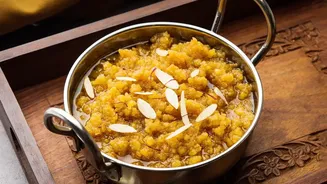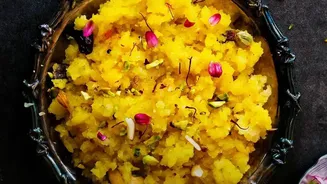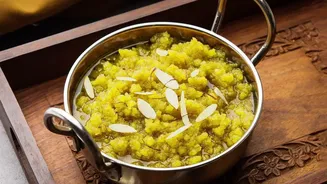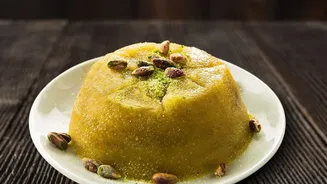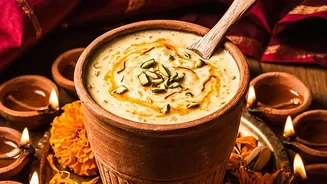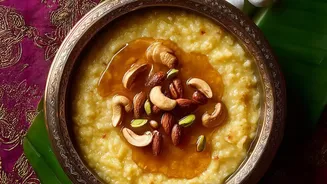



As the festive glow of Diwali fades, a familiar chill settles in, heralding the onset of winter. This is the time when Indian kitchens turn to age-old comforts, and one recipe stands out: the warm, aromatic Besan Sheera.
A Sweet Answer to Winter's Chill
Besan sheera is a traditional sweet
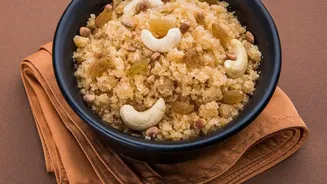
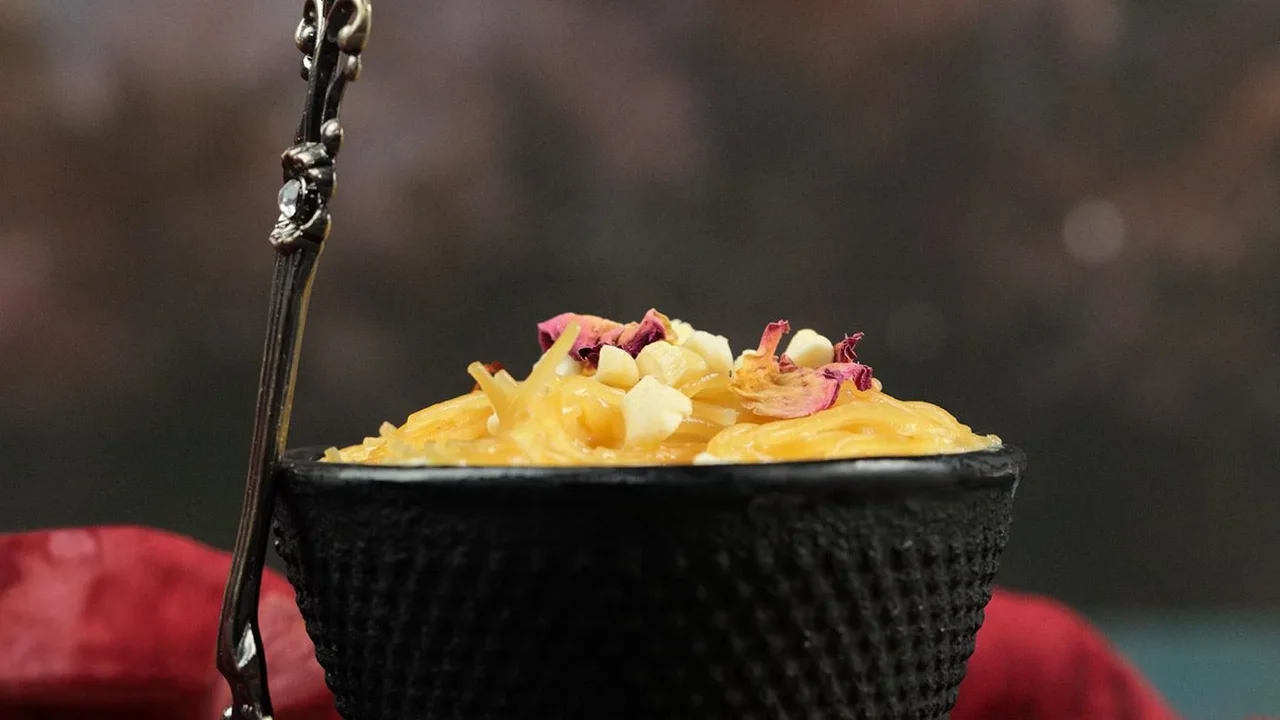
pudding made by slow-roasting gram flour (besan) in ghee, then cooking it with milk or water and a sweetener like sugar or jaggery. While simple in its ingredients, the magic lies in the patience of its preparation. The slow roasting, or 'bhunai', is crucial, filling the home with a signature nutty aroma that signals comfort in its purest form. Primarily a North Indian staple, especially in Punjabi households, its popularity spikes as the temperature drops. The warming properties of its ingredients, like besan and ghee, provide sustained energy, making it an ideal dish for a cold morning or a quiet, cosy evening.
More Than a Dessert, a Household Remedy
For generations, besan sheera has been much more than just a dessert; it's a trusted 'dadi' or 'nani ka nuskha' (grandmother's remedy) for coughs and colds. This dual identity as both a treat and a therapeutic food is what makes it unique. The semi-thick, warm liquid is known to soothe a scratchy, irritated throat, while the ghee helps to lubricate it. The addition of spices is key to its medicinal value. Turmeric contains curcumin, a compound known for its anti-inflammatory, anti-bacterial, and anti-viral properties. Black pepper not only aids in the absorption of curcumin but also has its own antibacterial qualities that help fight cough-causing bacteria. This potent combination helps clear the nasal tract and can induce restful sleep, which is often difficult when one is unwell.
The Art of Simple, Nourishing Ingredients
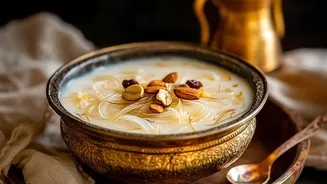
The beauty of besan sheera lies in its simplicity and the nourishing power of its core components. Besan, or gram flour, is a powerhouse of nutrients, rich in protein, antioxidants, and Vitamin B1, which helps reduce fatigue by converting food into energy. Ghee, a cornerstone of Ayurvedic cooking, provides healthy fats and fat-soluble vitamins, offering warmth and sustained energy. Milk adds richness and is a source of calcium and protein. Depending on preference, the sheera can be made to a thick, spoonable consistency like halwa, or a thinner, drinkable 'syrup'. Often, it is garnished with nuts like almonds or pistachios, adding texture and a boost of healthy fats and nutrients.
A Bowlful of Nostalgia and Comfort
Beyond its health benefits, besan sheera is deeply intertwined with feelings of warmth, care, and nostalgia. For many, the aroma of besan roasting in ghee instantly evokes memories of a parent or grandparent preparing this comforting dish on a chilly evening or when they were sick. It's a food that feels like a hug in a bowl, a simple, grounding ritual that connects generations. While it is most famously associated with Punjab, variations of this comforting food are found across India, a testament to the shared culinary wisdom of using simple, local ingredients to create something both delicious and healing. It is this ability to be both a simple dessert and a potent remedy that has cemented its place in the heart of Indian home cooking.