


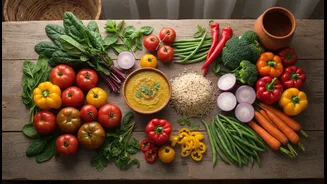


The Triple Win of Seasonal Eating
The logic behind choosing seasonal produce is simple yet powerful. When vegetables are in season, they are at their peak in terms of supply. This abundance drives down prices at your local mandi, making them significantly more affordable than out-of-season
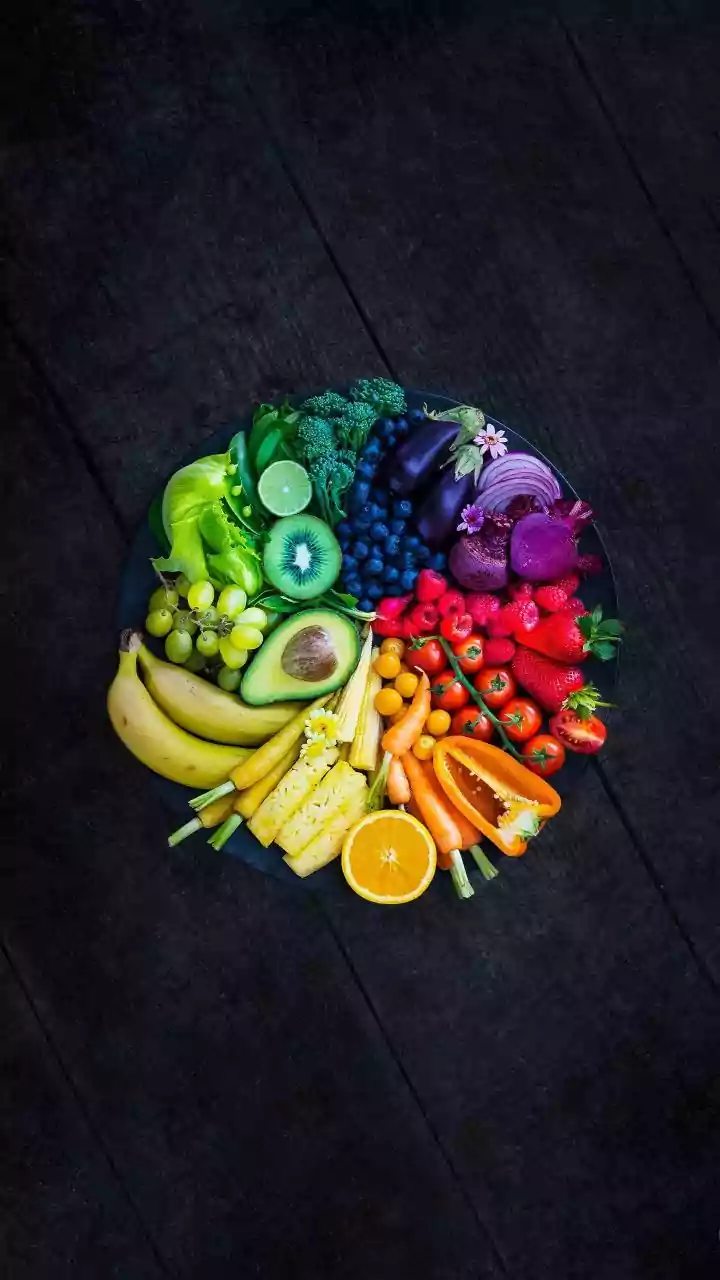
produce that requires costly transportation and storage. But the benefits go beyond just value. Vegetables harvested at their natural peak of ripeness contain higher levels of essential vitamins and minerals. For instance, vitamin C and other antioxidants, which are crucial for immunity, are often more potent in fresh, seasonal foods because they haven't degraded during long storage or transit times. Finally, the flavour is simply better. A naturally ripened tomato in summer or fresh peas in winter offer a depth of taste that a cold-stored, artificially ripened equivalent just cannot match.
Your Monsoon Vegetable Guide
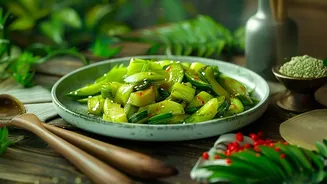
With the monsoon season in full swing across India, nature provides exactly what our bodies need. This season brings a bounty of vegetables that are not only delicious but also help in boosting immunity to ward off common monsoon ailments. Look out for a variety of gourds like bottle gourd (lauki), bitter gourd (karela), and ridge gourd (turai). These are light on the stomach and easy to digest. Other stars of the season include okra (bhindi), cluster beans (guar), and eggplant (brinjal). You'll also find unique regional greens and vegetables like colocasia leaves (arbi patra) and wild mushrooms (rugda) in certain parts of the country, which are packed with nutrients. These vegetables are well-suited to the warm, humid weather and provide fibre, vitamins, and minerals that support overall health during this time.
Meal Prep for the Modern Professional
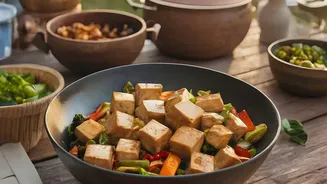
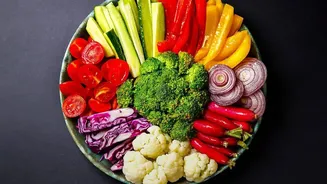
The biggest hurdle for any office worker is time. The thought of cooking after a long commute can be daunting, but a little planning goes a long way. Dedicate a couple of hours over the weekend to what is commonly called 'meal prep'. You can wash and chop vegetables like carrots, beans, and capsicum and store them in airtight containers. Prepare base gravies like a simple onion-tomato masala that can be used for multiple dishes through the week. You can even cook lentils or boil potatoes in advance. One-pot meals are a busy professional's best friend. Think vegetable pulao, khichdi packed with greens, or a simple dal that can be paired with pre-made rotis. These dishes are not only quick to assemble but also ensure you have a wholesome, home-cooked meal ready for your tiffin box.
Beyond the Tiffin: Office-Friendly Snacks
The 4 PM slump often leads to reaching for unhealthy, packaged snacks. Seasonal vegetables offer a fantastic alternative. A small container of sliced cucumbers and carrots provides a refreshing and hydrating crunch. Steamed and lightly salted corn or a handful of roasted makhana (fox nuts) with a sprinkle of spices can be a satisfying and guilt-free option. For something more substantial, a small portion of a simple chickpea salad or a chilla made from besan (gram flour) and grated lauki can keep you full until dinner. These snacks are easy to eat at your desk, require minimal to no reheating, and provide sustained energy, unlike the sugary rush from biscuits or fried snacks.