


The Welcome Act: Before the Meal
In traditional Indian hospitality, the meal doesn't begin the moment guests arrive. Instead, the evening starts with conversation, drinks, and a selection of light savoury snacks, often called 'farsan' or 'namkeen'. This isn't the 'starter' in the Western
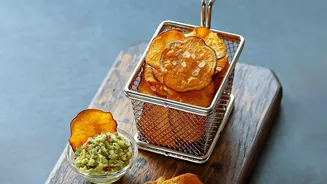
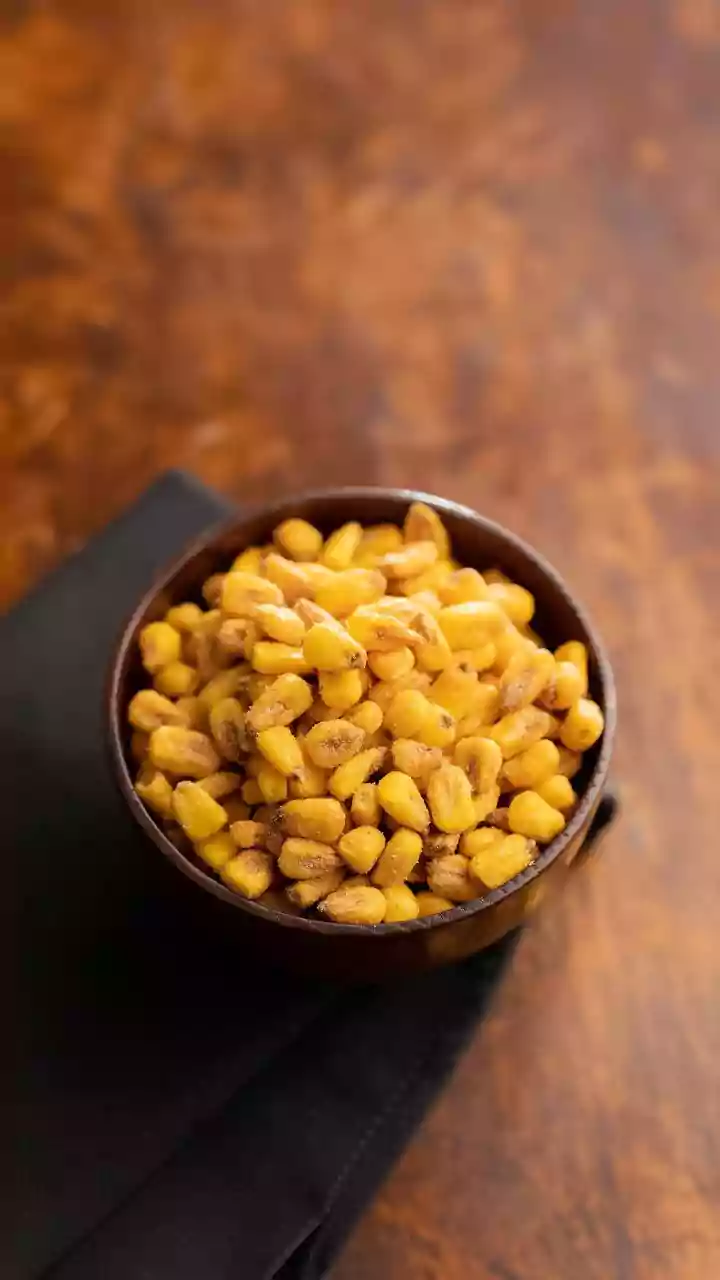
sense; it's a gentle warm-up for the palate. The goal is to welcome guests and stimulate their appetite, not overwhelm it. Opt for dry, bite-sized savouries like chakli, mathri, mini samosas, or a bowl of spiced nuts. These pair beautifully with tea, coffee, or pre-dinner drinks and set a relaxed, convivial tone. Avoid anything too heavy, greasy, or filling at this stage. Think of this as the opening chapter of your culinary story.
The Main Event: Finding Harmony on the Plate
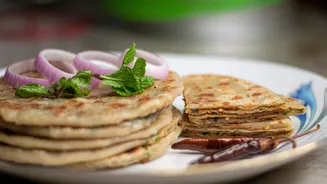
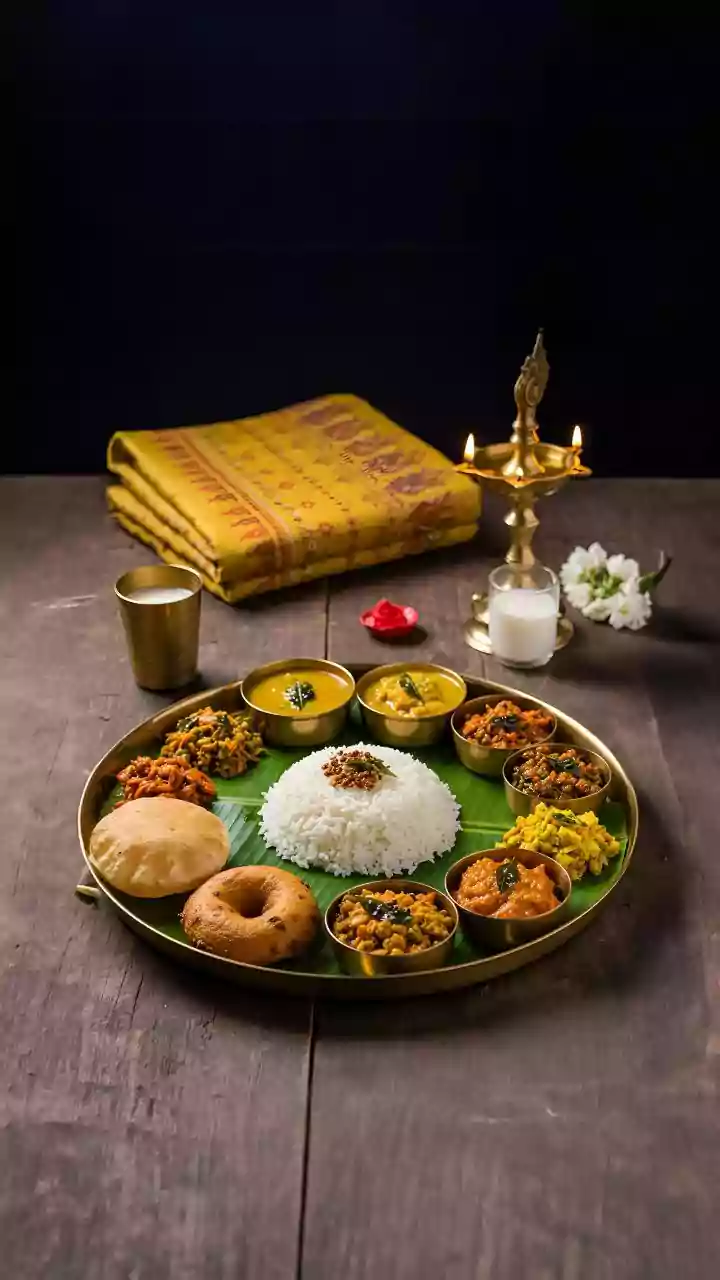
The idea of serving everything at once is central to many Indian dining styles, especially in the form of a 'thali'. A thali is a platter that presents a balanced selection of dishes, and this is where the art of pairing shines. Here, a small portion of a sweet and a savoury item can be placed directly on the thali alongside the main curries, dal, rice, and bread. The key is contrast and complement. A sweet chutney or a small piece of barfi can cut through the heat of a spicy curry, while a crunchy savoury item like a bhakarwadi can add texture to a meal of soft gravies. The philosophy is that life is a blend of different flavours, and your plate should reflect that. If you're serving buffet-style, you can still apply this principle by placing small bowls of these accompaniments near the main dishes they pair best with.
Choosing the Right Pairings
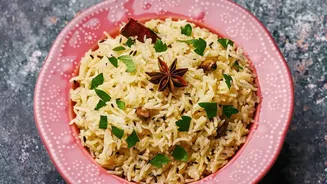
The success of serving everything together lies in smart choices. A heavy, rich meal like mutton biryani or paneer butter masala calls for a lighter, palate-cleansing sweet. A light, spongy rasgulla is an excellent choice as it can help ease digestion after a rich dish. For spicier meals, a creamy, milk-based dessert like rasmalai or phirni can provide a cooling contrast. On the savoury side, think about texture. If your main course is predominantly gravies, a crisp snack like murukku adds a delightful crunch. If you're serving a dry sabzi, a tangy and moist dhokla could be a great counterpart. The idea is to create a dynamic experience in every bite, where no single flavour overpowers the others.
Portion and Presentation
When serving snacks and sweets with the main meal, portion control is crucial. These are not full-sized servings; they are flavour accents. Sweets ('mithai') should be bite-sized—one gulab jamun, a small square of kaju katli, or a spoonful of halwa. Similarly, savoury snacks should be small enough to be eaten in one or two bites without requiring a separate plate. Presentation also plays a significant role. Use small, decorative bowls ('katoris') for sweets and chutneys on a thali. For a buffet, arrange them on elegant platters. This not only makes the spread look more appealing but also subconsciously guides guests to take smaller portions, ensuring they have enough appetite left to enjoy the main dishes you’ve lovingly prepared.
The Grand Finale: After the Meal
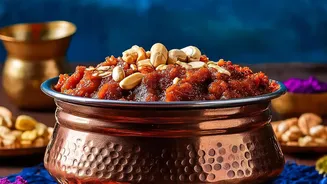
While some sweets are served with the meal, the post-dinner dessert remains a cherished tradition. This is the time for richer, more indulgent offerings. Warm gulab jamun, perhaps paired with vanilla ice cream, or a decadent gajar ka halwa are perfect for ending the meal on a high note. After the main course is cleared, serving a dedicated dessert signals a transition from the meal to the final phase of the gathering. It allows the dessert to be the star of the show. Traditionally, the meal may conclude with coffee or tea and digestive snacks like sweetened fennel seeds.