





Just How Dry Was It?
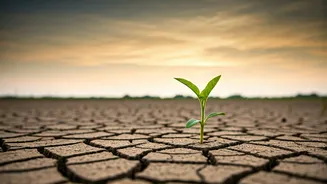
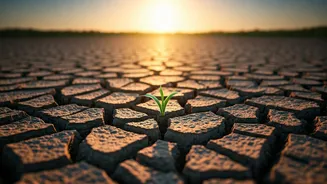
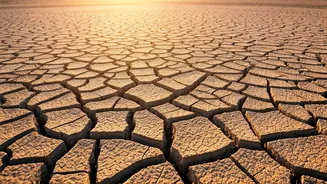
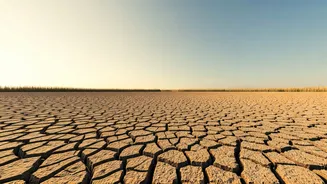
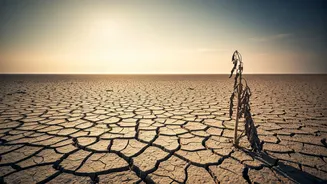
June 2024 ended with a significant nationwide rainfall deficit. The India Meteorological Department (IMD) confirmed that the country as a whole received about 20% less rainfall than the long-period average. While not the absolute driest June in over a century
(years like 2009 and 2014 saw far greater deficits), the figure masks a more alarming reality. Some regions, particularly in the northwest and central belts, experienced deficits soaring above 50-60%. The monsoon's progress was sluggish and its coverage uneven, leaving vast agricultural tracts thirsty. The initial burst over Kerala was promising, but the system quickly lost momentum, failing to advance into the country's core monsoon zone with its usual vigour.
The Immediate Culprits: Heat and Weak Systems
Meteorologists point to a confluence of factors for this poor performance. The primary villain was the unprecedented and prolonged heatwave that scorched North India through May and June. These extreme temperatures created a 'heat dome'—a cap of high pressure that prevents cloud formation and deflects moisture-laden winds. Essentially, the land was too hot for the rain to form and fall. Furthermore, the Arabian Sea branch of the monsoon, which waters the western coast and central India, was unusually feeble. While Cyclone Remal helped the Bay of Bengal branch pull the monsoon into the Northeast early, this momentum did not translate into a robust current moving inland. The monsoon engine simply wasn't firing on all cylinders.
The 'Shifting Architecture' of the Monsoon
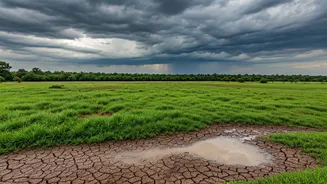
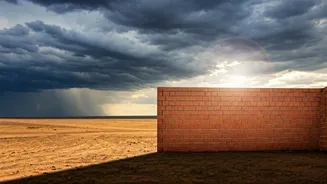
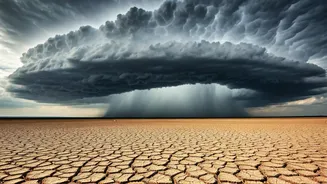
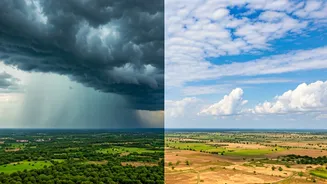
This year's dry June is more than just a weather anomaly; it's a symptom of the monsoon's changing character. The 'architecture' of India's monsoon—a complex system driven by temperature differences between the land and sea—is being fundamentally altered. Climate change is the chief architect of this shift. Historically, the monsoon delivered moderate, steady rain over long periods. Now, we are seeing a dangerous new pattern: long dry spells punctuated by short, destructive bursts of extreme rainfall. The overall number of rainy days is decreasing, but the intensity of rain on the days it does fall is increasing. This is because a warmer atmosphere can hold more moisture, which is then dumped in torrential downpours that cause floods and soil erosion instead of replenishing groundwater.
The Ripple Effect on Farms and Faucets
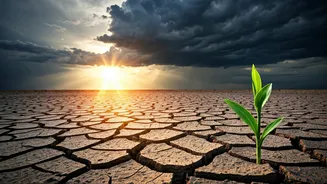
The consequences of a faltering monsoon are immediate and far-reaching. The delay and deficit in June have directly impacted the sowing of Kharif crops like rice, soybean, and cotton, which are crucial for India's food security and rural economy. Farmers who depend on the first rains to prepare their fields were left waiting, increasing their financial risk. Beyond the farms, the impact is felt in our cities and homes. Poor monsoon performance leads to dangerously low levels in the country’s major reservoirs. This not only threatens drinking water supplies for millions but also curtails hydroelectric power generation, potentially leading to power shortages during peak summer demand. Every drop that doesn't fall has a cascading economic and social cost.