





Cholesterol: The Good vs. The Bad
Before diving into oils, it’s important to understand cholesterol. Your body has two main types: Low-Density Lipoprotein (LDL) and High-Density Lipoprotein (HDL). LDL is often called 'bad' cholesterol because high levels can lead to plaque buildup in your
arteries. HDL, or 'good' cholesterol, works to remove excess cholesterol from your system. A healthy goal is to lower your LDL and maintain or raise your HDL levels. Diet plays a crucial role in managing this balance, and the fats you consume are a major part of that equation.
Unsaturated Fats: Your Heart's Ally
Fats are essential, but not all are created equal. Saturated fats, found in fatty meats and some dairy products, can raise LDL cholesterol. Unsaturated fats, on the other hand, are considered heart-healthy. There are two kinds: monounsaturated fats (MUFAs) and polyunsaturated fats (PUFAs). MUFAs, found in oils like groundnut and olive oil, can help reduce bad cholesterol levels. PUFAs, which include Omega-3 and Omega-6 fatty acids found in mustard and flaxseed oil, are also vital for heart and brain health. Replacing saturated fats with these unsaturated varieties is a key strategy for better cholesterol management.
Why 'Cold-Pressed' Makes a Difference
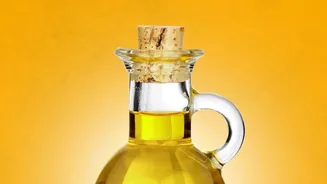
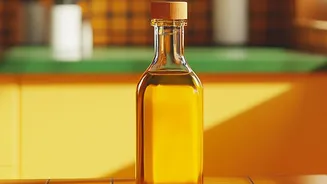
The term 'cold-pressed' refers to how the oil is extracted from seeds or nuts. This method uses a mechanical press with minimal heat, which helps preserve the oil's natural nutrients, antioxidants, and flavour. Refined oils, in contrast, often use high heat and chemical solvents that can strip away these beneficial compounds. By choosing cold-pressed, you're getting an oil that is less processed and retains more of its heart-healthy properties, including Vitamin E and antioxidants that fight cellular damage. This makes them a more potent choice for supporting your overall health.
Top Cold-Pressed Oils for an Indian Kitchen
Making a healthy switch is easy with oils that are already staples in Indian cuisine. Cold-pressed mustard oil (kachi ghani) is an excellent source of both MUFAs and PUFAs. Cold-pressed groundnut oil is another versatile choice, rich in MUFAs and suitable for various cooking methods due to its high smoke point. Cold-pressed sesame oil (til oil) has been studied for its potential to help reduce LDL cholesterol. While delicious, it's wise to use these oils in rotation. According to the Indian Council of Medical Research (ICMR), diversifying your cooking oils helps ensure a better balance of different fatty acids.
A Note on Coconut Oil and Ghee
Coconut oil and ghee are traditional fats that have seen a resurgence in popularity. It's important to understand their profile. Both are high in saturated fats. However, the type of saturated fat in coconut oil (medium-chain triglycerides or MCTs) is metabolized differently and may help raise 'good' HDL cholesterol. Similarly, pure desi ghee contains beneficial compounds when used in moderation. Cardiologists often advise using these fats judiciously as part of a varied diet rather than as your primary cooking medium if LDL cholesterol is a concern.
Practical Tips for Making the Switch
Incorporating these oils is simple. Use cold-pressed groundnut or mustard oil for your daily sabzis, dals, and curries. Their robust flavours can enhance your cooking. Use oils like cold-pressed olive or flaxseed oil, which have lower smoke points, for dressings and garnishes to retain their maximum nutritional benefit. Remember, quantity matters as much as quality. Even healthy fats are calorie-dense, so moderation is key. Aim for about 3-4 teaspoons of visible oil per person per day, as recommended by the ICMR.