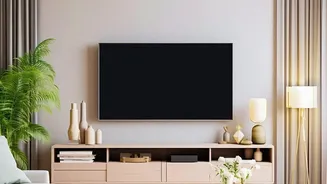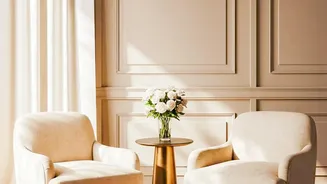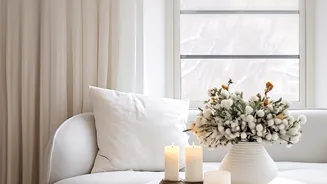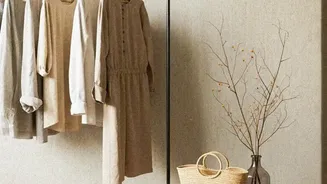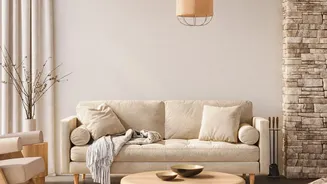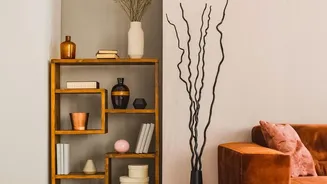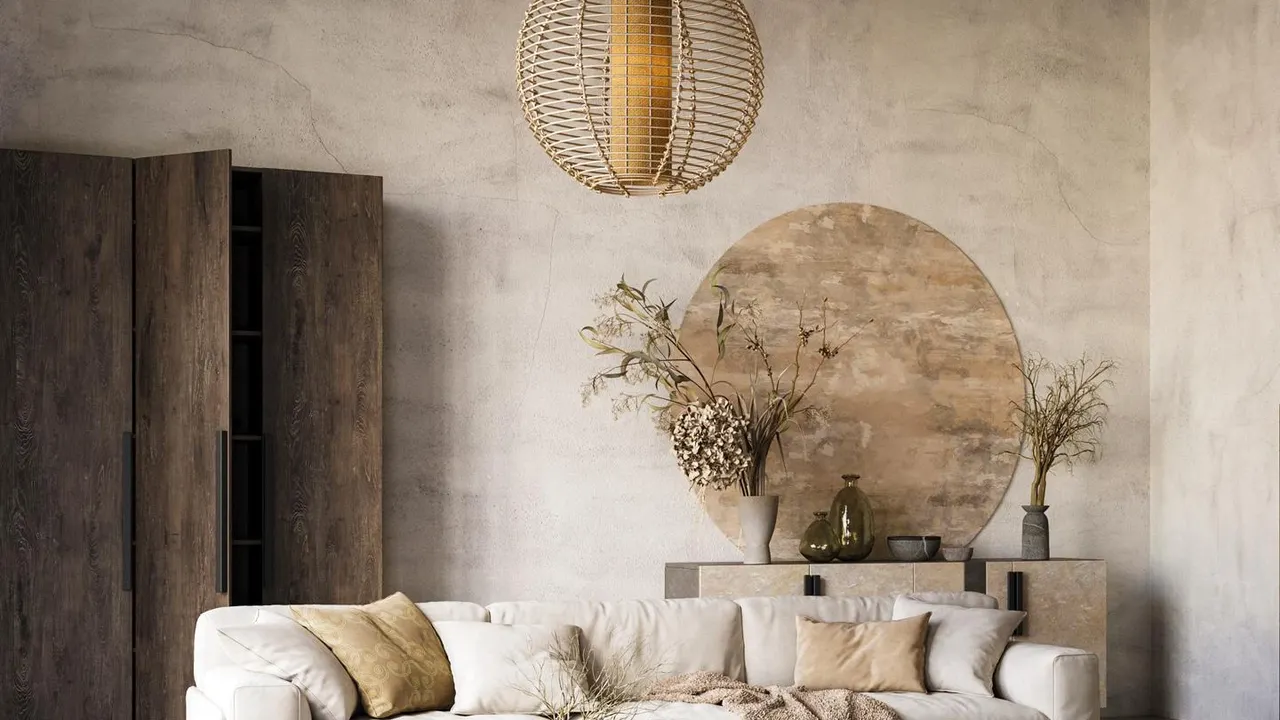

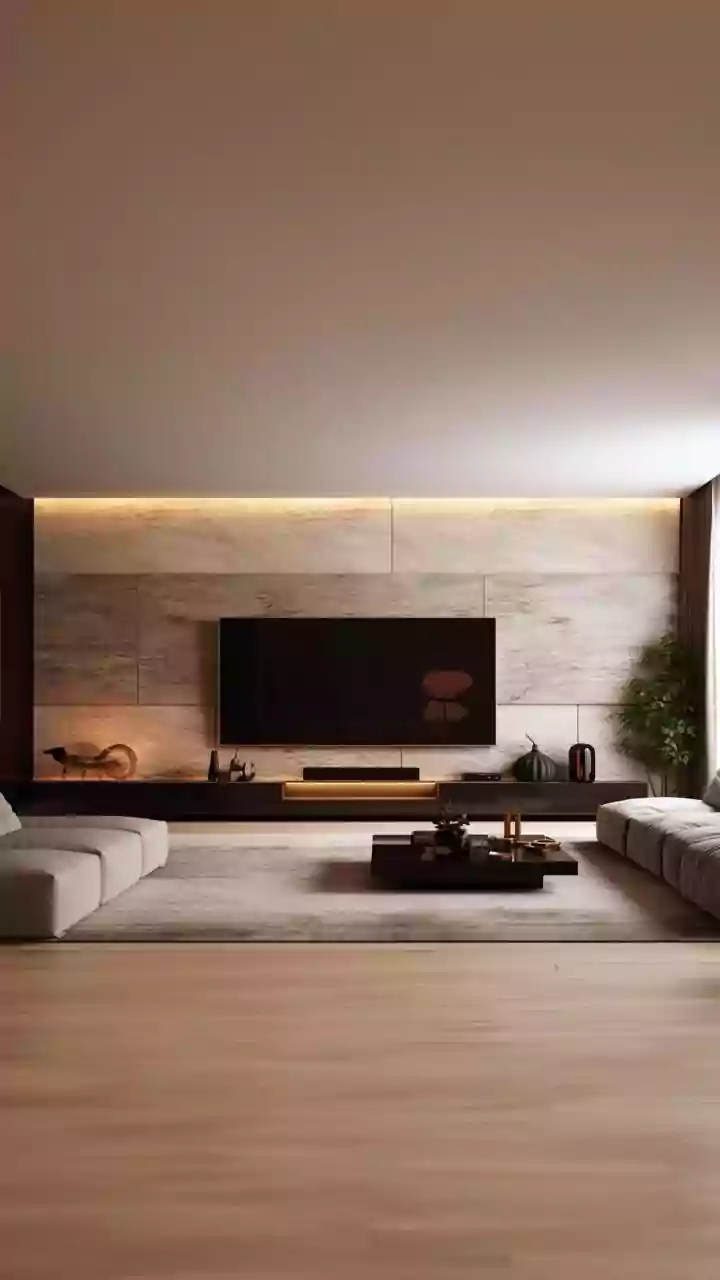
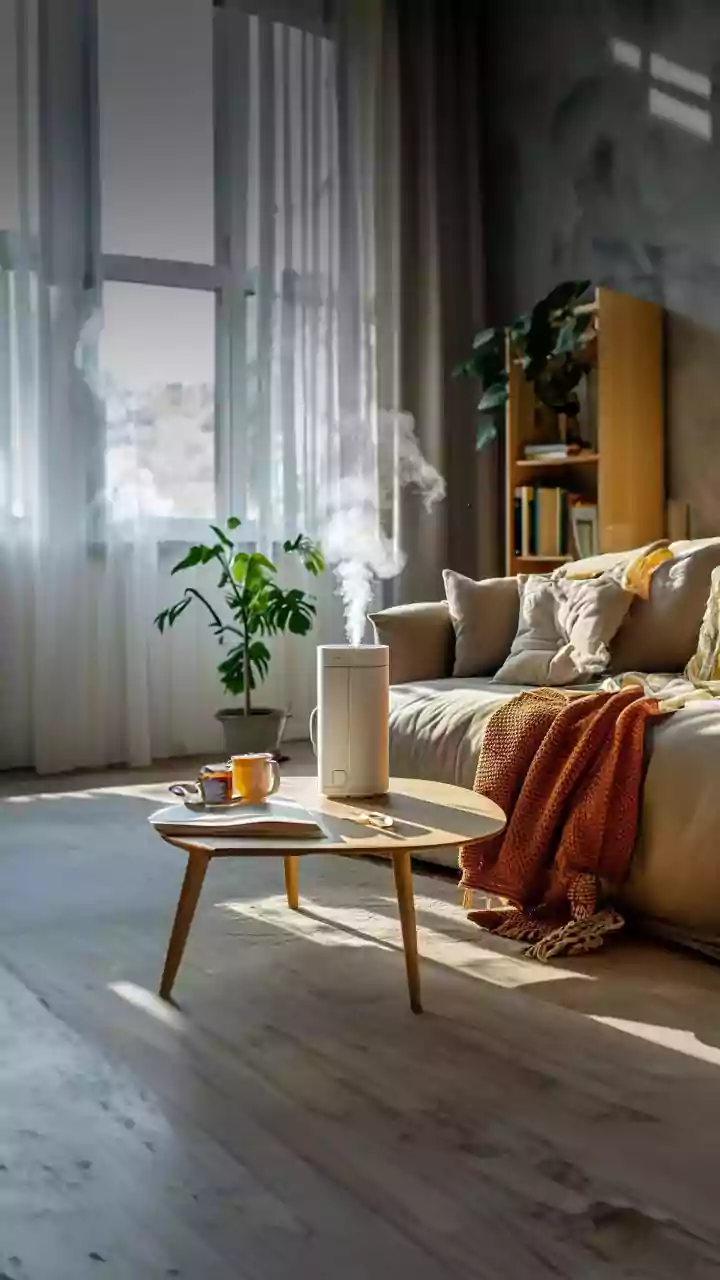
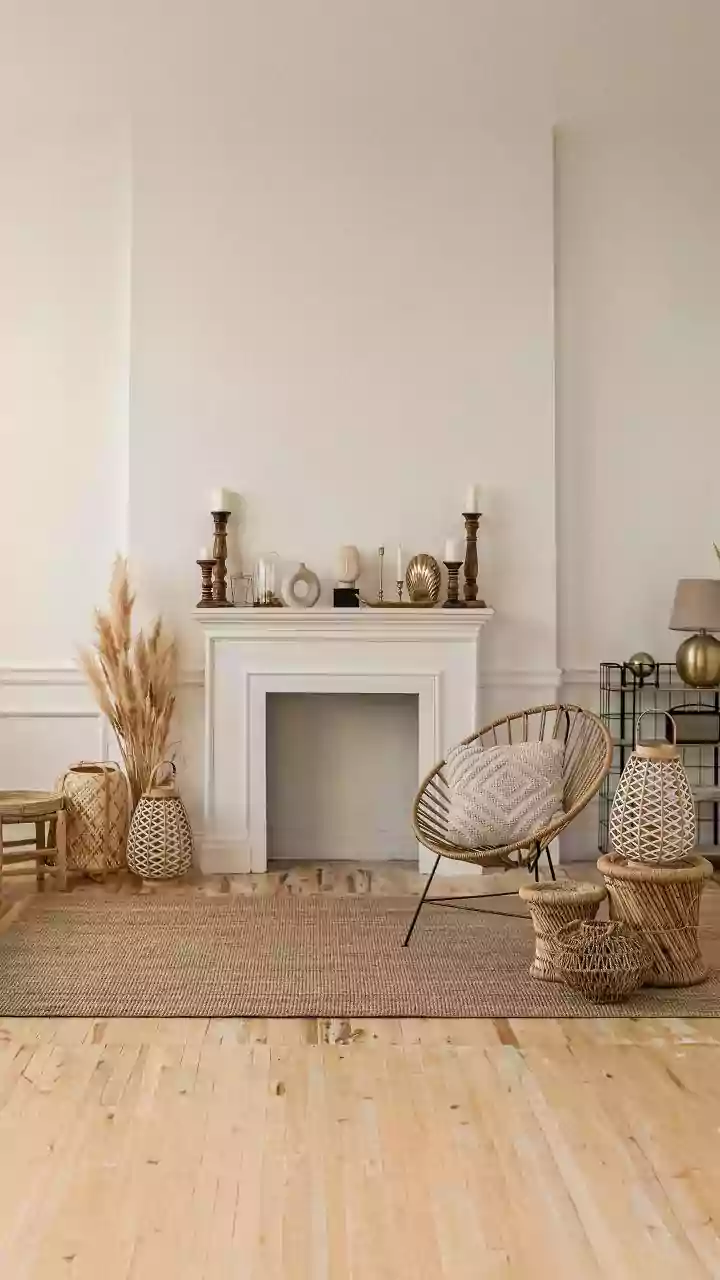
A neutral colour palette is the foundation of a calm, timeless home. But without careful layering, it can feel flat. The secret to creating a rich, inviting neutral space isn't more colour—it's texture. Enter wood, stone, and woven rattan.
The Power of Texture
In a room with
a restrained colour scheme, texture does the heavy lifting. When your eyes aren't guided by bold colours, they notice finer details like the grain of wood, the coolness of stone, or the intricate pattern of a woven basket. Combining different materials creates contrast and visual interest, preventing a space from feeling one-dimensional. This layering of tactile surfaces—rough against smooth, hard against soft—is what gives a neutral room its sophisticated and complete feel.
Wood: The Foundation of Warmth
Wood is often the backbone of a natural interior, bringing an unmatched sense of warmth and character. The key is to make its inclusion feel intentional. Instead of trying to perfectly match every wooden element, which can make a room look like a furniture catalogue, aim for coordination. Identify a dominant wood tone—often the flooring or a large piece like a dining table—and then introduce one or two contrasting tones. A pale oak floor paired with dark walnut accents, for instance, creates a deliberate and pleasing contrast. The undertone is more important than the species; woods with similar warm or cool undertones will feel related even if they aren't the same type. This approach adds a collected, authentic feel to the space.
Stone: For Grounding and Contrast
Stone introduces a grounding, earthy quality that beautifully counterbalances the warmth of wood and softness of textiles. Its natural variations in veining and finish provide quiet contrast without adding visual clutter. While countertops are a common application, think beyond the kitchen. A travertine coffee table, a slate tray on a console, or a marble side table can serve as a cool, sculptural accent. These hard surfaces prevent a room from feeling overly soft and add a touch of raw elegance. The contrast between a smooth, honed stone surface and a textured wool rug or linen sofa is a classic designer technique for creating a balanced room.
Rattan: A Touch of Woven Lightness
Rattan, wicker, and other woven materials bring an airy, relaxed feel to an interior. Their primary contribution is texture, introducing an intricate, handmade quality that softens harder materials like wood and stone. Rattan works beautifully as an accent piece—think of a single armchair, a pendant light, or storage baskets. These items add a layer of organic texture without visual heaviness. Woven materials can also act as a bridge between different wood tones. For example, a cane-backed dining chair can gracefully connect a dark table with lighter floors, creating a cohesive look.
How to Achieve the Perfect Balance
Successfully combining these three elements is about thoughtful layering, not just accumulation. Start by choosing your dominant wood, which will likely cover the most surface area. Then, introduce stone as a point of contrast—a focal point like a fireplace surround or a substantial piece of furniture. Finally, sprinkle in rattan or other woven textures as the finishing touch. Use woven baskets for storage, a jute rug to anchor a seating area, or a single rattan chair to soften a corner. The goal is to create a dynamic interplay between the different materials, allowing each to stand out while contributing to a harmonious whole. Don't be afraid to mix different textures within the same colour family to maintain a serene and uncluttered feel.