





The Essential First-Aid Kit
Minor injuries and common ailments shouldn't derail your trip. The damp monsoon weather can increase the risk of infections and mosquito-borne illnesses. Your first-aid kit should be your first packing priority. Include antiseptic wipes, waterproof bandages
of various sizes, and a good antibiotic ointment for cuts and scrapes. Pack insect repellent containing DEET to ward off mosquitoes. Also include medications for common issues like fever, pain, colds, and stomach upsets. Antifungal powder can be a saviour against skin infections caused by dampness, and rehydration salts (ORS) are crucial to combat dehydration from humidity or an upset stomach.
Vehicle Necessities for Road Trips
If you're travelling by car, monsoon roads present unique challenges, from waterlogging to reduced visibility. A basic vehicle emergency kit is non-negotiable. Ensure your spare tyre is in good condition and you have a puncture repair kit and a portable tyre inflator. Jumper cables are vital, as car batteries are more likely to fail in damp weather. A sturdy tow rope can be a lifesaver if you or someone else gets stuck. Also, pack a powerful flashlight with extra batteries, as power cuts are common and you may need to inspect your vehicle in the dark. A reflective warning triangle is essential for safety if you need to pull over.
Waterproofing and Electronics
Water is the biggest enemy of your valuables during the monsoon. Protect your electronics, documents, and cash with waterproof dry bags or even simple zip-lock pouches. Keeping your phone charged is critical for navigation and emergencies. A fully charged power bank is a must-have, as power outages can be frequent and unpredictable. It's also wise to download offline maps for your route in case you lose signal in remote or storm-affected areas. Consider packing silica gel packets in your electronics bag to absorb any excess moisture and prevent damage.
Clothing and Personal Comfort
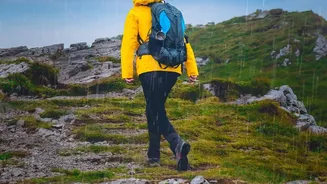
Getting drenched is often part of the monsoon experience, but staying wet is uncomfortable and can lead to illness. Pack an extra set of clothes in a waterproof bag. Opt for lightweight, synthetic fabrics like polyester that dry quickly, rather than cotton which stays damp for a long time. A reliable raincoat or poncho and a wind-resistant umbrella are obvious essentials. Footwear should be waterproof with a good grip to handle slippery surfaces; avoid flip-flops. A quick-dry microfibre towel is also far more practical than a standard cotton one.
Food, Water, and Hygiene
During monsoon, the risk of water contamination is higher. Always carry your own bottled water or use a reliable filter. It's also smart to avoid street food, especially uncooked items, to prevent water-borne diseases. Pack some non-perishable snacks like energy bars, nuts, or biscuits. These are invaluable if you face unexpected delays or find yourself in an area with limited hygienic food options. Hand sanitiser or antibacterial wipes are essential for maintaining hygiene on the go, especially before eating.