




Satellite Data Analysts
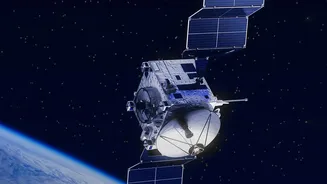
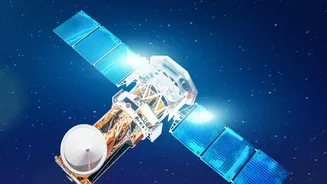
One of the fastest-growing fields is not in building rockets, but in interpreting the data they send back. Satellite data analysts and remote sensing experts turn raw imagery into actionable insights for agriculture, climate monitoring, insurance, and urban
planning. Companies like Pixxel and SatSure are hiring professionals with skills in Geographic Information Systems (GIS), data modeling, and machine learning to solve real-world problems from orbit. This field is a prime example of how expertise from other sectors can find a valuable new home in the space industry.
Aerospace Software and AI Specialists
Modern spacecraft are as much about code as they are about propulsion. Aerospace software engineers are in high demand to develop everything from on-board flight systems and autonomous navigation to mission planning algorithms. As missions become more complex, skills in C++, Python, embedded systems, and artificial intelligence are becoming crucial. These roles are at the heart of making space technology smarter, more autonomous, and more capable, powering everything from satellite constellations to deep-space probes.
Launch and Satellite Technicians
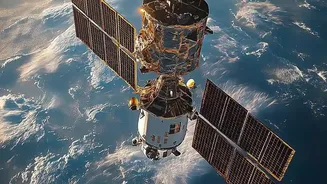
While engineers design the systems, a skilled technical workforce is needed to build, assemble, test, and maintain them. Aerospace technicians are the hands-on professionals who work on spacecraft, satellites, and their intricate components. As private companies like Skyroot Aerospace and Agnikul Cosmos ramp up production of their launch vehicles, and firms like Dhruva Space build more satellites, the need for a robust manufacturing and maintenance ecosystem grows. This creates vital roles for individuals with vocational training in avionics, mechanics, and electronics.
Space Law and Policy Experts
With hundreds of new private players entering the domain, the 'rules of the road' for space are more important than ever. This has created a demand for space law and policy analysts. These professionals help navigate international treaties, domestic regulations, launch licensing, and the emerging challenges of orbital debris management. They work for government bodies like IN-SPACe, think tanks, and private companies to ensure the commercial space boom is both sustainable and compliant, making it a critical field for those with backgrounds in law and public policy.
Robotics and Automation Engineers
The future of space exploration, manufacturing, and maintenance relies heavily on automation. Robotics engineers are needed to design the systems that will build components in microgravity, service satellites in orbit, and explore planetary surfaces. Developing rovers, robotic arms, and autonomous systems requires a blend of mechanical engineering, computer science, and AI. As India's ambitions grow to include more complex missions and potentially even commercial space stations, the need for robotic solutions will only intensify.
Business Development and Finance
India's 400+ space startups don't just run on rocket fuel; they run on funding and customer contracts. This has opened the door for business development managers, financial analysts, and marketing specialists to enter the space sector. These professionals are responsible for securing investment, finding new markets for satellite services, and building commercial strategies to help their companies grow. It marks a significant shift where business acumen is becoming as vital as technical expertise in shaping the trajectory of a space-tech firm.