





The Trouble with Typical Toast
For many, breakfast is a quick affair: a slice of white bread toasted and buttered, perhaps with a cup of chai. While simple, this common meal is often made with refined flour (maida), which has been stripped of its most nutritious parts, including the
bran and germ. This process removes most of the dietary fibre. A breakfast low in fibre can lead to a quick spike in blood sugar, followed by a crash that leaves you feeling sluggish and hungry long before lunchtime. This cycle can contribute to overeating later in the day and a lack of sustained energy. While not all bread is created equal, the soft, white loaves that dominate many kitchens offer convenience but fall short on the fibre needed to anchor a healthy day.
Why Your Morning Needs Fibre
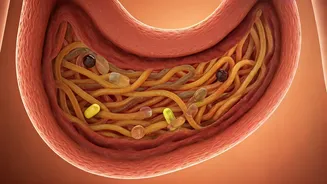
Dietary fibre is a type of carbohydrate that the body cannot digest. It plays a crucial role in our overall health, and starting the day with a fibre-rich meal sets a positive tone for your body's systems. There are two types: soluble fibre, which dissolves in water to form a gel, and insoluble fibre, which adds bulk to stool. A high-fibre breakfast helps regulate the body's use of sugar, preventing those sharp energy spikes and dips. It promotes a feeling of fullness, or satiety, which can help manage weight by reducing the urge to snack between meals. Furthermore, fibre is essential for digestive health, helping to prevent constipation and maintain regular bowel movements. It also acts as a prebiotic, feeding the beneficial bacteria in your gut, which is linked to better immunity and overall well-being.
Fibre-Forward Indian Breakfasts
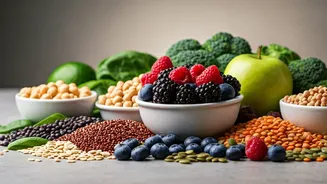
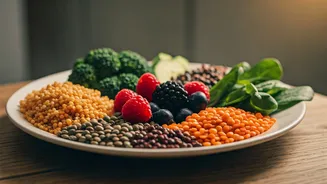
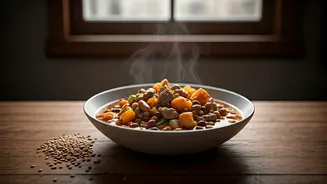
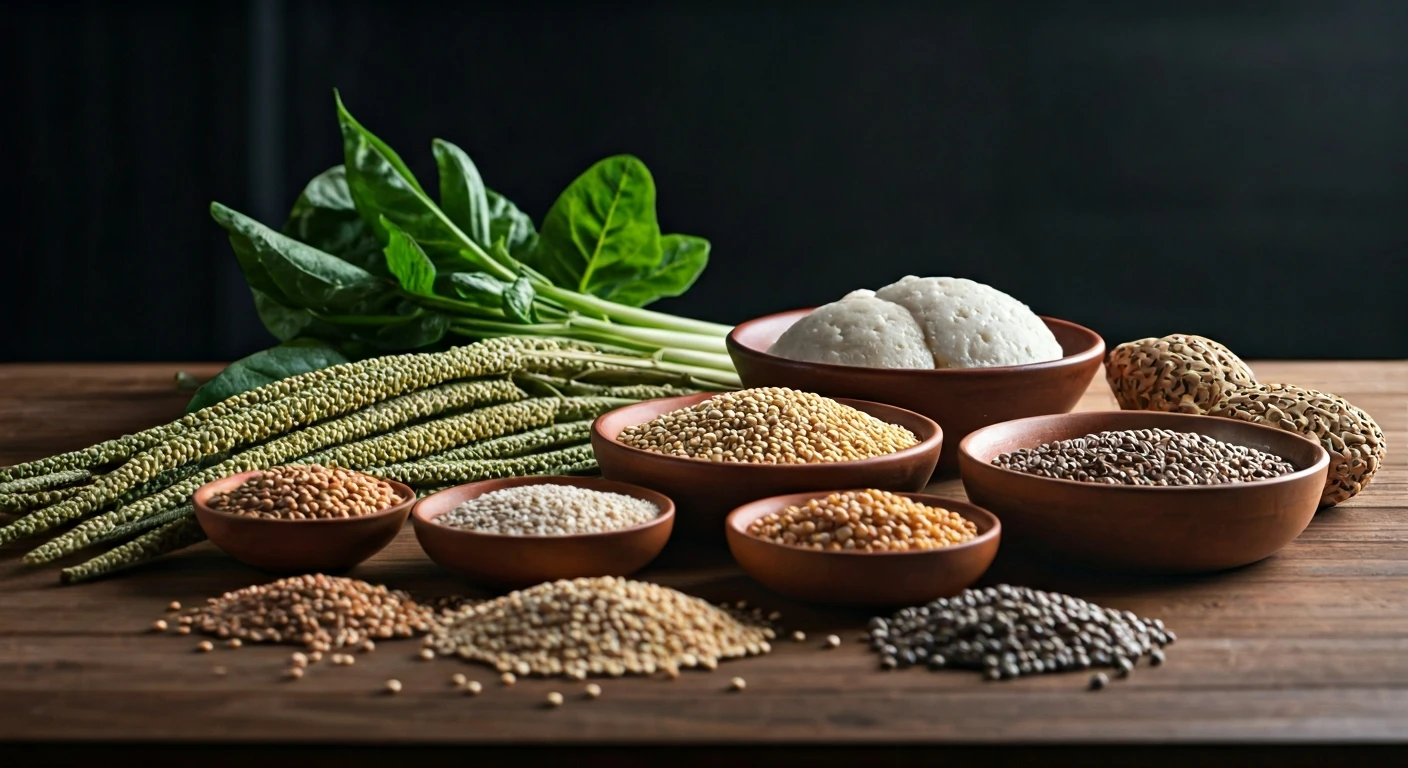
Fortunately, Indian cuisine is packed with delicious, high-fibre breakfast options that go far beyond a simple slice of bread. Many traditional dishes are naturally rich in whole grains, lentils, and vegetables. Consider making a switch to options like moong dal cheela, a savoury pancake made from split green gram that's high in both fibre and protein. Another excellent choice is poha, or flattened rice, especially when made with whole wheat or brown rice poha and loaded with vegetables and peanuts. Millets like ragi and jowar are nutritional powerhouses; a ragi dosa or jowar upma can significantly boost your morning fibre intake. Even classics like idli can be made more fibrous by using brown rice or adding chana dal to the batter. These meals provide complex carbohydrates, protein, and fibre for a balanced and energising start.
Simple Swaps and Smart Additions
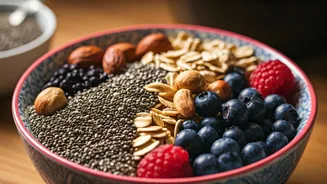
You don't need a complete breakfast overhaul to increase your fibre intake. Small, consistent changes can make a big difference. If you love your bread, switch from white to 100% whole wheat or a multigrain variety made with sprouted grains. Instead of jam, top your toast with avocado or a sprinkle of chia seeds for a boost of healthy fats and fibre. If you enjoy oats or upma, stir in a tablespoon of flaxseeds, chopped nuts, or extra vegetables. Even adding a side of fruit like a banana or an apple with its skin on can add a few extra grams of valuable fibre. The goal for most adults is to get between 25 to 40 grams of fibre per day, but studies show many Indians consume only about half of that. Starting at breakfast makes reaching that target much easier.