








The Catalyst: From Niche to Necessity
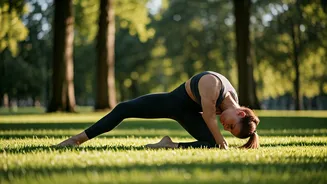
The global lockdowns of 2020 didn't invent home fitness, but they did make it mainstream overnight. Suddenly, the entire world was forced indoors, and the daily commute to the gym was replaced by a short walk to the yoga mat. What began as a desperate
scramble for dumbbells and resistance bands quickly evolved. People discovered that the convenience of working out on their own schedule, without the travel time or the perceived judgment of a crowded gym, was incredibly liberating. This period acted as a massive, unplanned global experiment, proving that effective, engaging workouts were possible without ever leaving the house. It broke the long-held myth that serious fitness required a dedicated, commercial space.
Technology as the New Personal Trainer
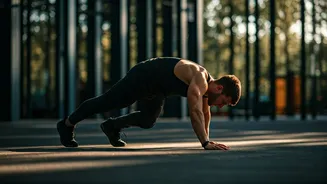
The true engine of this revolution is technology. The smartphone, once a distraction, has become a powerful fitness tool. An explosion of apps like Cult.fit, Nike Training Club, and countless others brought world-class trainers into our homes. On-demand classes mean you can do a high-intensity interval training (HIIT) session at 6 AM or a calming yoga flow at 10 PM. Beyond apps, connected equipment—from smart bikes to interactive fitness mirrors—has gamified exercise. Leaderboards, digital high-fives, and performance tracking have made solo workouts feel competitive and social. This data-driven approach allows for unprecedented personalization, with AI suggesting workouts based on your goals, performance, and recovery needs. Your trainer is no longer just a person; it's an algorithm that knows you intimately.
Finding Your Tribe, Virtually
One of the biggest initial concerns about home fitness was the loss of community. Gyms have always been social spaces. Yet, the revolution found a way to replicate and, in some cases, enhance this. Virtual workout groups on WhatsApp and Facebook became common. Fitness influencers on Instagram and YouTube built massive, supportive communities around shared goals. Following a live-streamed class with thousands of others, seeing their comments pop up in real-time, created a new kind of shared energy. This digital camaraderie transcends geography. You might be sweating it out in Mumbai, following the same routine as someone in Delhi or Dubai, bonded by the collective effort and the encouraging words of a trainer on screen.
The Rise of the Hybrid Athlete
As the world opened back up, the question was whether people would abandon their home setups and rush back to traditional gyms. The answer, it turns out, is a bit of both. We are now in the era of the 'hybrid athlete'. Many have realised they don't have to choose. They might use an app for daily cardio and yoga at home, but visit a gym once or twice a week to use heavy weights or attend a specific group class they love. This flexible model offers the best of both worlds: the convenience and cost-effectiveness of home workouts combined with the specialised equipment and atmosphere of a commercial gym. Fitness is no longer a binary choice between home and gym; it's a personalised ecosystem.
Is It All Positive?
Despite the immense benefits, the home fitness revolution isn't without its challenges. The biggest is the risk of injury from improper form, without a trainer present to offer corrections. Motivation can also be a hurdle; the same living room that is your gym is also your entertainment hub, and the couch can look very tempting. Furthermore, the high cost of premium connected equipment creates a new kind of fitness inequality. And for some, the digital-first approach can lead to screen fatigue rather than mindful movement. The key is to be aware of these pitfalls and proactively manage them by focusing on proper form, setting a clear schedule, and finding a routine that genuinely brings you joy, not just burns calories.