





The Direct Cost of Electric Sparkle
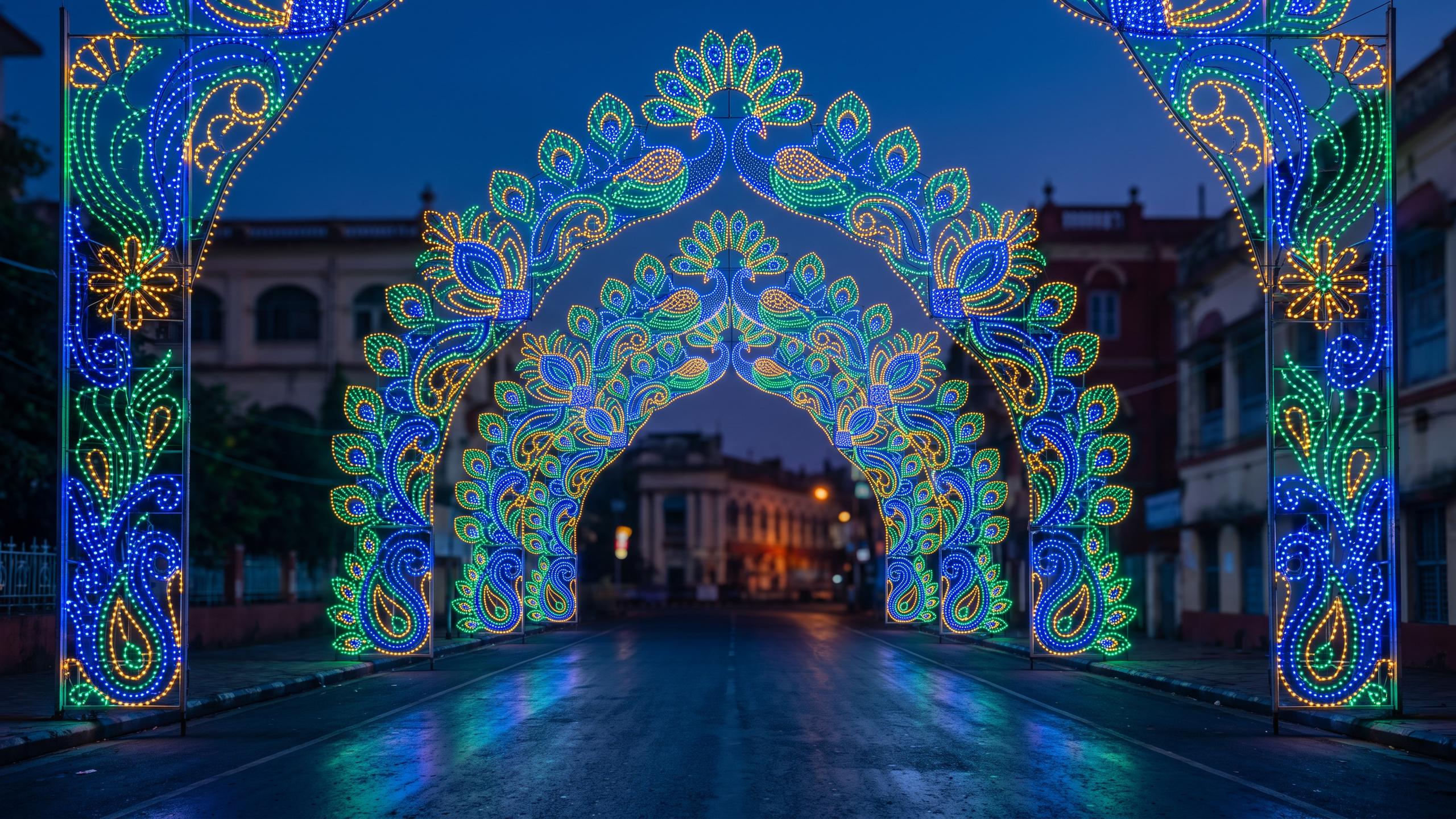
Electric string lights, or fairy lights, have become a convenient go-to for festive decor. While modern LED options are more efficient than older incandescent bulbs, they still contribute to a noticeable spike in energy consumption. For example, running
several strings of decorative lights for five to six hours every evening over a week-long festival can add a significant amount to your monthly electricity bill. A typical household might use decorative lights totaling several hundred watts. When used for hours each day, this translates into extra kilowatt-hours (kWh) that your meter is clocking. Even a modest setup can lead to an increase in costs that can be surprising when the bill arrives, turning festive cheer into financial concern. This direct cost is often overlooked in the rush of preparations but is a recurring expense every holiday season.
The Humble Diya: An Economic Powerhouse
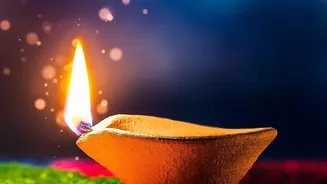
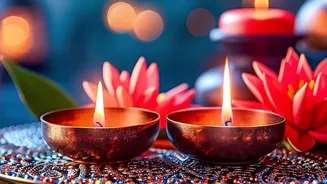
In contrast, the clay diya operates entirely off the grid. Its fuel is a small amount of oil—mustard, sesame, or ghee—and a cotton wick. The initial cost of clay diyas is exceptionally low, with dozens often available for a fraction of the price of a single string of electric lights. While brass diyas are a reusable and beautiful investment, traditional terracotta diyas are biodegradable and perfectly suited for large-scale decoration. The combined cost of the diyas, oil, and wicks for an entire festive period is often substantially lower than the electricity consumed by electric alternatives. This simple switch not only cuts down your utility expenses but also directs your spending towards a different, more localized economy.
Beyond the Bill: The Environmental Savings
The financial benefits are clear, but the environmental advantages are even more compelling. The electricity powering festive lights is often generated from burning fossil fuels, which releases greenhouse gases into the atmosphere. By opting for diyas, you reduce the demand on the power grid, thereby lowering your carbon footprint. Furthermore, electric lights are a form of electronic waste. Composed of plastic, copper, and other materials, they are difficult to recycle and often end up in landfills, where they can leach harmful substances. Some studies also show that oil lamps can be a significant source of black carbon, a potent climate warmer, particularly when using kerosene. However, clay diyas themselves are made from earth and are fully biodegradable, returning to nature without a trace. This makes them a truly circular and sustainable choice.
A Ripple Effect on Local Communities
Choosing clay diyas over mass-produced electric lights has a powerful, positive impact on local economies. This decision directly supports the livelihoods of local potters and artisans, many of whom rely on festive sales for a significant portion of their annual income. These craftspeople are often part of a long lineage, preserving traditional skills passed down through generations. When you buy from them, your money circulates within the local community, bolstering small businesses and helping preserve cultural heritage. In an era of global supply chains, purchasing locally made handicrafts is a conscious choice to foster economic resilience and empower communities at a grassroots level.
The Irreplaceable Warmth of Tradition
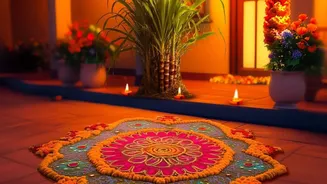
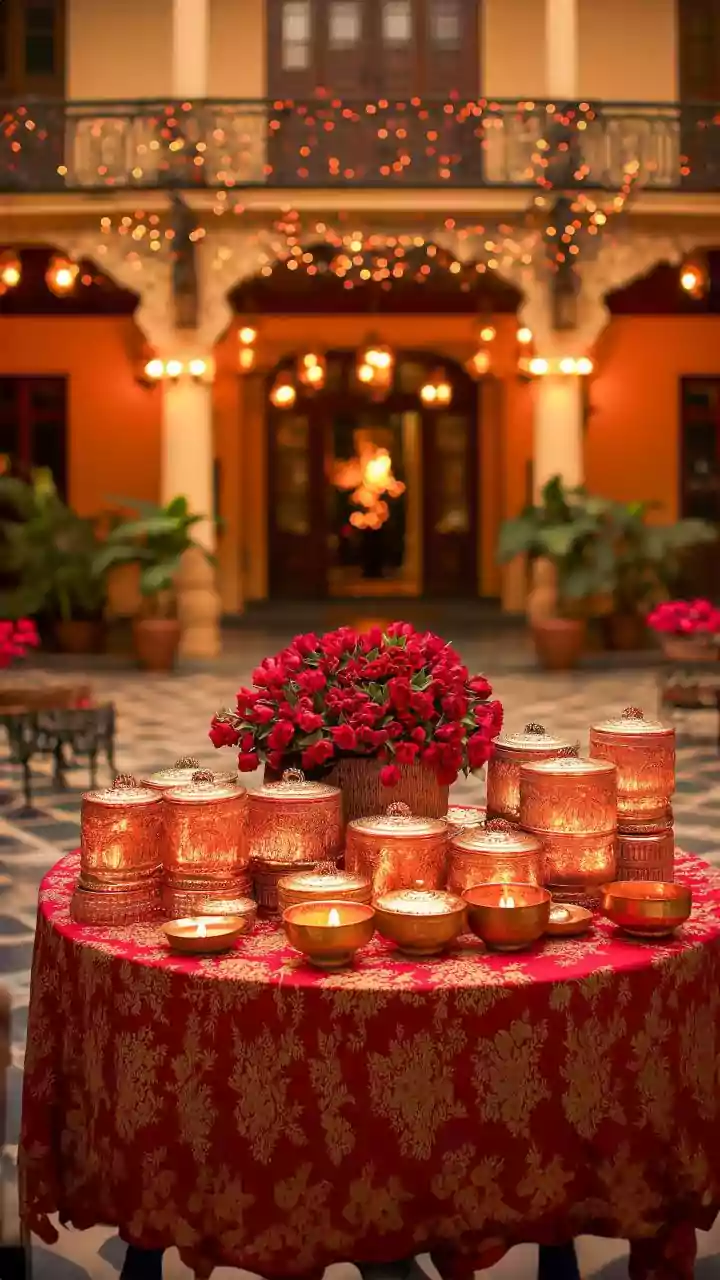
Finally, there is an aesthetic and cultural value that electric lights cannot replicate. The gentle, flickering flame of a diya creates a unique ambiance of warmth, tranquility, and sacredness. It is a light that feels alive, connecting the celebration to its ancient roots and spiritual significance. While LED lights can be bright and colourful, they often lack the organic charm and soulful glow of a simple flame. Embracing diyas is more than just a decorative choice; it's an experience that enriches the festive atmosphere, making celebrations feel more authentic and grounded in tradition. Nothing quite beats the serene beauty of rows of diyas lining a balcony or illuminating a rangoli.