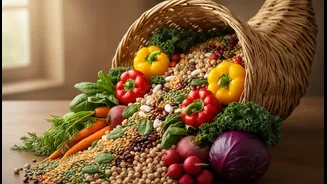



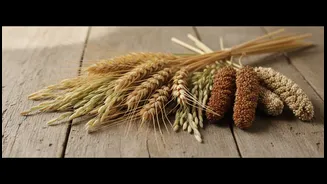
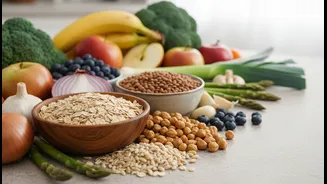


Why Your Gut Loves Variety
Think of your gut microbiome as a diverse inner garden, home to trillions of bacteria. For this garden to flourish, it needs a wide range of nutrients. When you eat the same foods every day, you are only feeding a select few types of bacteria. Over time,
this can lead to a less diverse microbiome, making your gut less resilient. Scientific studies consistently show that greater dietary diversity is linked to a more varied and robust gut microbiome. This diversity is crucial not just for digestion, but also for supporting your immune system, regulating inflammation, and even influencing your mood. By rotating the foods you eat, especially plant-based ones, you provide a broader spectrum of fibres and nutrients, nourishing a wider array of beneficial bacteria.
The Power of Pulses
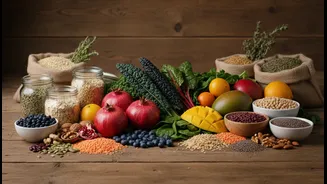
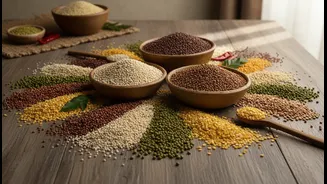
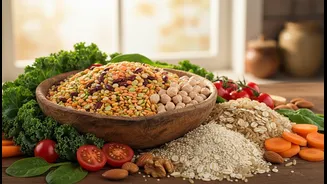
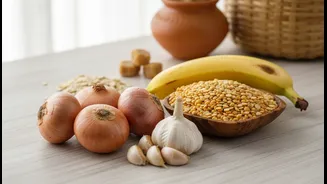
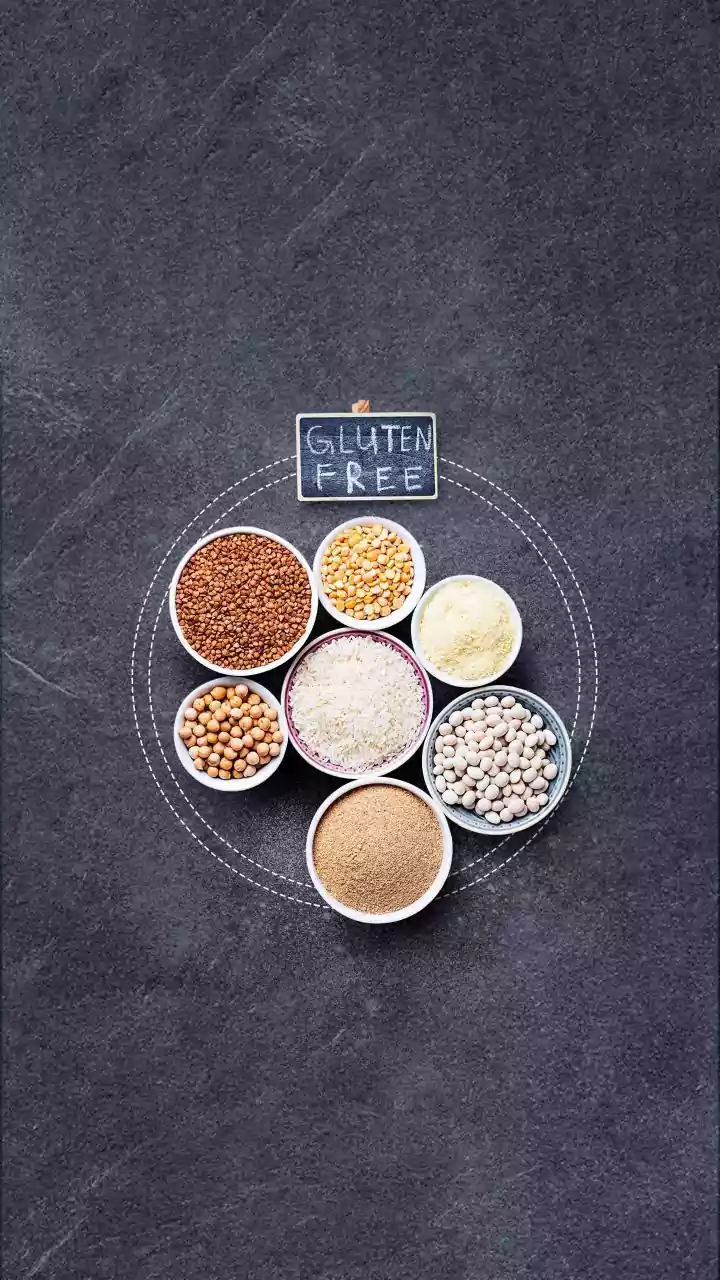
Pulses—the family of dals, chickpeas, beans, and lentils—are a cornerstone of Indian cuisine and a powerhouse for gut health. They are packed with protein and, most importantly, prebiotic fibre. Unlike other nutrients, this type of fibre passes undigested to your colon, where it becomes the perfect food for your beneficial gut bacteria. When these microbes feast on prebiotic fibre, they produce short-chain fatty acids (SCFAs), compounds that help protect the gut lining, reduce inflammation, and improve the body's absorption of minerals like calcium and iron. Regularly including a variety of pulses like moong, masoor, rajma, and chana in your diet ensures you are feeding a healthy and diverse microbial community.
Vegetables in Every Colour
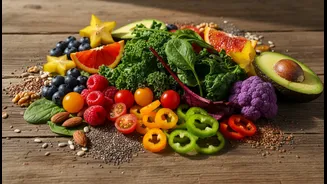
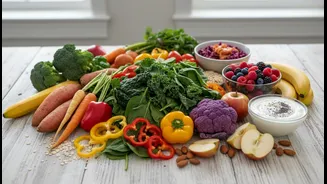
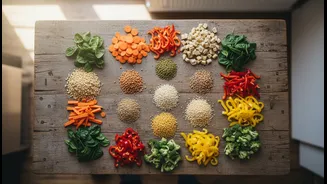
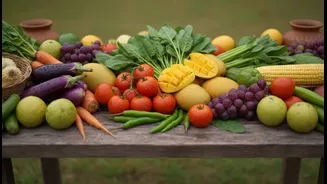
The common advice to "eat the rainbow" is scientifically sound, especially for gut health. Different coloured vegetables provide different vitamins, minerals, and phytonutrients, each with unique benefits. For instance, dark leafy greens like spinach and kale are rich in fibre and antioxidants that reduce inflammation, while orange vegetables like carrots and sweet potatoes provide beta-carotene. Each type of vegetable also contains different kinds of fibre. Some have soluble fibre that helps control blood sugar, while others have insoluble fibre that promotes regular bowel movements. By rotating through various vegetables, you ensure your gut gets the full spectrum of nutrients it needs to thrive.
Making Rotation Practical
The idea of rotating foods doesn't mean you need a different meal every single day. The goal is to build variety over the course of a week or two. Start small. If you typically only cook with toor dal, try incorporating moong dal one day and black-eyed peas another. When you go grocery shopping, challenge yourself to pick up one vegetable you haven't eaten in a while. Instead of buying a large bunch of spinach for the whole week, buy a smaller amount and also get some bhindi or cabbage. This approach prevents food monotony and makes your meals more exciting. Using frozen or canned produce is also a great, cost-effective way to keep a variety of options on hand without worrying about spoilage.
A Simple Weekly Approach
To make rotation a habit, try simple planning. You could assign a different pulse to different days of the week: chickpeas on Monday, kidney beans on Wednesday, and lentils on Friday. Pair these with different seasonal vegetables. For example, have your chickpeas with a side of roasted carrots and your lentils mixed into a soup with spinach and mushrooms. You can also sneak extra vegetables into dishes you already make. Add grated carrots or zucchini to your roti dough, mix finely chopped bell peppers into your omelettes, or blend a handful of spinach into a smoothie. The key is not a rigid overhaul but small, consistent additions that build up over time.