





The Perfect Trigger: Monsoon Rains
The primary catalyst for this rapid transformation is the monsoon itself. After a long, dry, and harsh winter where the landscape is often covered in snow, the arrival of consistent, heavy rainfall is the ultimate wake-up call. The water seeps into the soil,
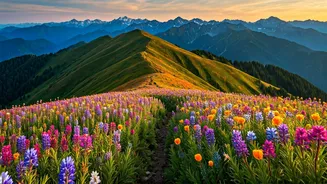
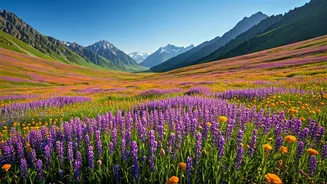
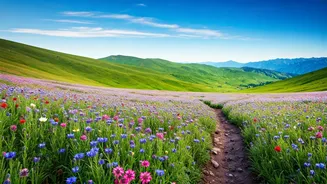
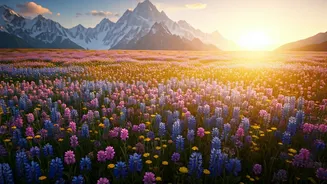
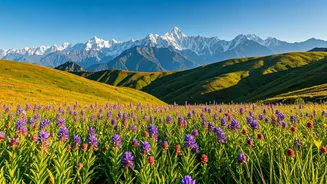
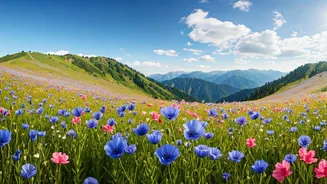
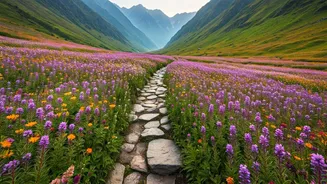
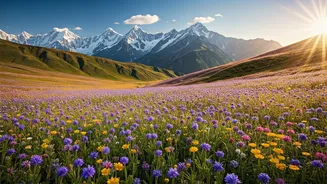
providing the essential hydration that dormant seeds and rhizomes need to break their slumber. Unlike gentle spring showers, the intense and sustained moisture of the Indian monsoon ensures that the entire ecosystem receives a thorough soaking, triggering a synchronized germination event across vast stretches of the mountainside. This simultaneous blooming is what creates the dense, carpet-like effect.
Nature's Time Capsule: The Seed Bank
The soil of these alpine meadows acts as a 'seed bank,' a hidden reservoir of life waiting for the right conditions. Plants in these challenging environments have evolved a brilliant survival strategy: they produce a vast number of seeds that can remain dormant in the cold, dry soil for months, or even years. This dormancy protects them from the brutal winter. When the monsoon arrives, the combination of abundant water and a slight rise in temperature signals that the short growing season has begun. The seeds don't need to travel; they are already in place, ready to sprout the moment conditions become favourable. This pre-positioned 'army' of seeds is why the transformation from barren to bloom is so astonishingly fast.
The Altitude Advantage
Living life on the edge has its perks. The high-altitude environment of Uttarakhand, typically above 3,000 metres, means a short window for growth between the melting of winter snow and the return of freezing temperatures. The plants here are adapted for speed. They are mostly perennials and small, low-growing annuals that have evolved to complete their entire life cycle—from germination to flowering to setting seed—in just a few months. The harsh ultraviolet radiation at these heights, while stressful, can also contribute to the intense pigmentation and vibrant colours of the flowers, from the iconic blue poppy to the radiant Brahma Kamal and countless varieties of primulas, geraniums, and orchids.
A Symphony of Species
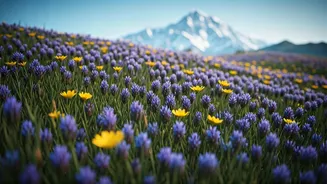
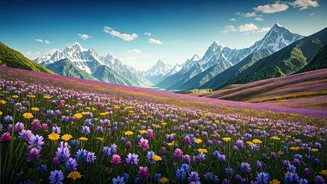
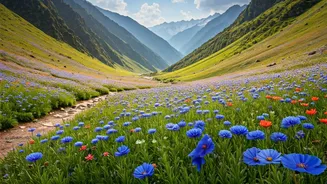
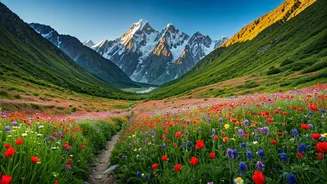
The 'carpet' is not a single type of flower but a complex tapestry woven from hundreds of different species, each blooming in a slightly staggered sequence. This biodiversity is key to the continuous display of colour. As one species peaks, another begins to take its place. This ecological strategy, known as temporal niche partitioning, ensures that pollinators remain active in the area and that the meadow remains a vibrant hub of life throughout the brief summer season. Famous locations like the Valley of Flowers National Park are designated UNESCO World Heritage Sites precisely because they are hotspots of this incredible endemic floral diversity, showcasing a unique and fragile ecosystem in full glory.
The Role of the Soil
The soil in these alpine meadows is another crucial piece of the puzzle. Formed from glacial deposits and organic matter from previous seasons' decay, it is often thin but surprisingly fertile. Critically, it is also porous and well-draining. This prevents the soil from becoming waterlogged during the heavy monsoon downpours, which would rot the roots of these delicate plants. The soil structure allows water to be absorbed quickly for immediate use while letting the excess drain away, maintaining the perfect balance of moisture and aeration required for rapid, healthy growth.