






The Comfort of Steam: Why We Believe It Works
For generations, steam inhalation has been a go-to method for tackling the discomfort of a blocked nose and sinus pressure. The logic feels intuitive. Breathing in warm, moist air seems to help loosen thick mucus, making it easier to clear your nasal
passages. The warmth can also feel soothing on inflamed and irritated sinus tissues, providing a temporary reduction in pain and pressure. Many people report a sensation of their airways opening up, making breathing feel less of a struggle. This immediate, albeit temporary, feeling of relief is powerful, cementing the belief that steam is an effective treatment for colds and sinus issues. This perceived benefit is why the practice is passed down and remains one of the most popular home remedies during cold and flu season.
What the Science Says About Steam
Despite its popularity, scientific evidence does not support steam inhalation as a cure for sinus infections. A major study published in the Canadian Medical Association Journal found that steam inhalation was not effective in relieving the primary symptoms of chronic sinus congestion. While some participants noted a slight reduction in headache, there was no significant overall improvement in other sinus-related symptoms. Research, including a Cochrane review, has concluded that the evidence supporting steam for common cold symptoms is weak and inconsistent. Medical experts clarify that while steam may provide temporary symptomatic relief by moistening passages, it doesn't kill the viruses or bacteria causing the infection. In essence, it helps you feel better for a short time, but it doesn't treat the underlying problem.
Does Adding Herbs Make a Difference?
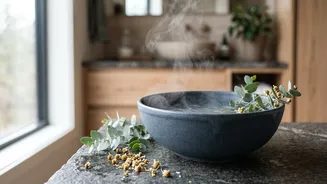
Many people add herbs like eucalyptus, peppermint, thyme, or chamomile to their steam, believing it enhances the benefits. Essential oils from these plants can provide a cooling sensation (like menthol in peppermint) or have perceived antiseptic properties. Some sources suggest these additions can help open airways and provide antimicrobial support. However, much like with plain steam, the scientific backing for this as a definitive treatment is limited. One study on herbal steam inhalation for allergic rhinitis found that while participants felt a higher level of satisfaction compared to plain steam, there was no significant difference in symptom improvement between the two groups. The main benefit appears to be subjective comfort rather than a measurable clinical effect on the sinus condition itself.
The Hidden Dangers of Inhalation
The traditional method of leaning over a bowl of boiling water carries a significant and often overlooked risk: severe burns. Health organizations like the NHS have issued warnings after seeing a rise in scald injuries, particularly in children, from accidental spills. These burns can be serious, sometimes affecting the face, chest, and legs, and may require hospitalization or even surgery. Beyond burns, some reports note that excessively hot steam can potentially damage the delicate cells lining the nose and throat. For individuals with certain respiratory conditions like asthma, steam can sometimes trigger breathing difficulties. These potential risks often outweigh the limited and temporary benefits, prompting medical professionals to advise against the practice, especially for children.
Proven Ways to Manage Sinus Pain
If steam isn't the answer, what is? Fortunately, there are several evidence-based methods for sinus relief. Nasal irrigation, using a saline solution with a neti pot or squeeze bottle, is strongly recommended by medical experts. Studies show it effectively flushes out mucus and allergens, reduces symptoms, and can decrease reliance on medications. Staying well-hydrated by drinking plenty of fluids helps keep mucus thin. Over-the-counter options like decongestant sprays and pain relievers can manage symptoms. For chronic or severe cases, a doctor might prescribe corticosteroids to reduce inflammation, or antibiotics if a bacterial infection is confirmed. Using a humidifier to add moisture to the air in your home is also a safe alternative to direct steam inhalation.