




Embrace the Magic of Light
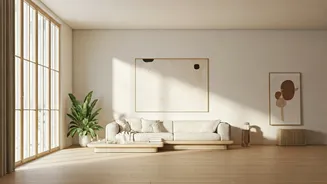
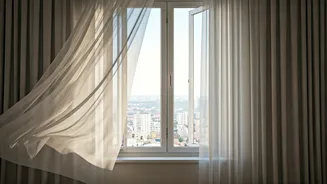
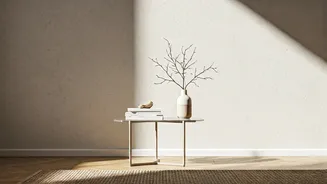
The single most effective tool for making a small room feel larger is light. Maximise natural light by using sheer, light-coloured curtains instead of heavy drapes that block the sun. Keep window sills clear to let in as much daylight as possible. When
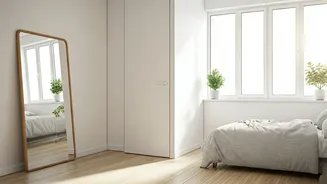
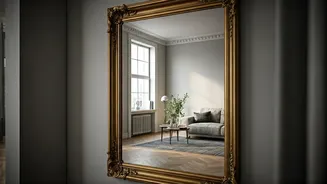
it comes to artificial light, think in layers. A central ceiling fixture is good, but supplement it with floor lamps, table lamps, and even wall sconces. This creates a warm, inviting ambience and eliminates dark corners that make a room feel cramped. A well-placed mirror is a classic trick for a reason: it bounces light around the room and creates an illusion of depth. Try placing a large mirror on the wall opposite your main window to double the impact of natural light.
Think Vertically, Not Just Horizontally
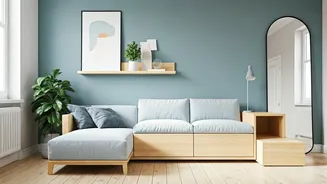
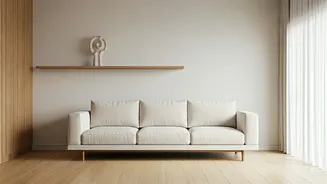
In a small room, floor space is premium real estate. The solution is to draw the eye upwards and utilise your vertical space. Instead of a wide, short bookshelf, opt for a tall, narrow one that makes the ceiling feel higher. Install floating shelves on the walls to display decor or store books without taking up any floor area. Another pro tip is to hang your curtains high and wide. Mount the curtain rod closer to the ceiling and extend it beyond the window frame. This visual trick makes the window appear larger and the room taller. By encouraging the eye to travel up, you create a sense of openness and grandeur that defies the room's actual square footage.
Invest in Multi-Functional Furniture
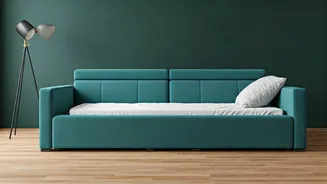
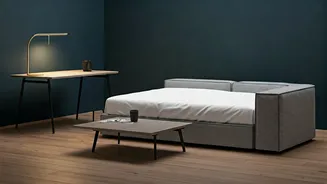
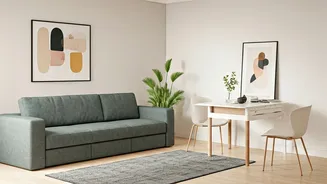
Every piece of furniture in a small room should work hard. Multi-functional furniture is your greatest ally in the fight for space. Think of a coffee table that has hidden storage compartments or can be lifted to become a dining surface. An ottoman with a removable lid can serve as a footrest, extra seating, and a place to stash blankets or magazines. In the bedroom, a bed with built-in drawers underneath eliminates the need for a bulky chest of drawers. For guest-readiness, a stylish sofa-cum-bed is a non-negotiable. These smart, versatile pieces reduce clutter and ensure your room is adaptable to different needs without feeling overstuffed with furniture.
Use a Cohesive Colour Palette
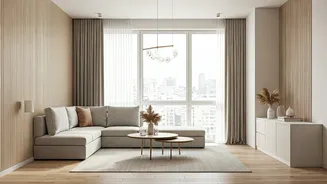
Colour has a profound psychological impact on how we perceive space. A light and airy colour scheme—think whites, creams, soft greys, and pale blues—is a reliable way to make a room feel open and bright. These colours reflect light, creating an expansive feel. However, this doesn't mean you must live in a white box. You can create depth and interest with a monochromatic scheme, using different shades and textures of a single colour. If you love dark colours, consider painting just one accent wall. A dark wall can recede visually, making the room feel deeper. The key is cohesion. Stick to a limited palette of three to four colours to create a serene, uncluttered look that feels intentional and sophisticated, not chaotic.
Declutter with Smart, Hidden Storage
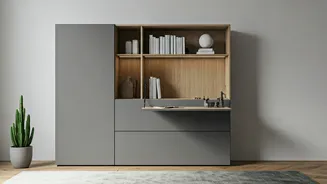
Visual clutter is the number one enemy of a small space. The more 'stuff' you have lying around, the more chaotic and cramped the room will feel. The goal isn't to get rid of your belongings, but to give them a proper home. Opt for closed storage over open shelving for items that aren't aesthetically pleasing. A sleek cabinet or a credenza will hide clutter far better than an open bookshelf. Use decorative baskets and boxes to corral smaller items on shelves. Look for unused spaces that can be converted into storage, such as the area under your bed or over doorways. A tidy, organised room instantly feels larger and more calming.
Create Zones Without Building Walls
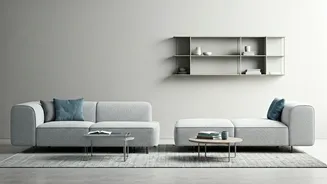
In many modern homes, a single room must serve multiple purposes—a living room might also be a home office and a dining area. You can define these different 'zones' without putting up walls. A large area rug is a fantastic way to anchor a seating area and visually separate it from the rest of the room. You can also use furniture to create subtle divisions. A low bookshelf placed behind a sofa can delineate the living space from a workspace. Even a change in wall paint or a distinct piece of art can signal a transition from one functional zone to another. This technique brings order and purpose to a multi-use room, making it feel more organised and spacious.