





The Refrigerator Is Your First Line of Defense
First, let's settle the countertop-versus-fridge debate. While citrus can sit on the counter for up to a week, the refrigerator is the clear winner for long-term storage. Citrus fruits stop ripening the moment they are picked; from then on, they are simply
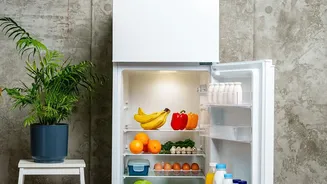
in a slow process of decay. Cold temperatures dramatically slow this process, which includes moisture loss. Storing them in the fridge can extend their useful life from about one week to three or even four weeks. The cold air helps preserve the fruit's texture and, most importantly, its juice content by slowing down the natural process of respiration and water evaporation.
Your Crisper Drawer Is a Humidity Haven
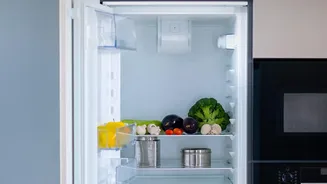
The crisper drawer isn't just another storage bin; it's a specialized environment designed to manage humidity. Most crisper drawers allow you to control airflow with a small slider. By closing the vent, you create a high-humidity environment, which is exactly what helps citrus retain its moisture. The fruit's thick peel is porous, and in the dry, cold air of the main refrigerator compartment, it will slowly lose water and shrivel. The humid atmosphere of a closed or semi-closed crisper drawer significantly reduces this moisture loss, keeping the cells inside plump and full of juice.
Why 'Loose' Is Better Than a Plastic Bag
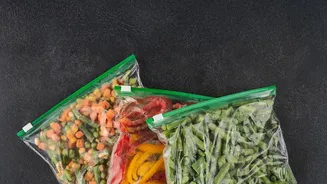
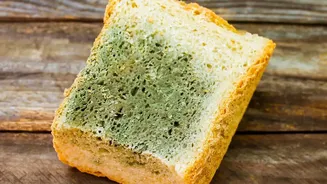
It might seem intuitive to keep citrus in the plastic bag from the grocery store, but this is often a mistake. Sealing them in a non-breathable bag can trap too much moisture against the peel, creating a perfect breeding ground for mold. Furthermore, while citrus fruits are low producers of ethylene gas—a natural hormone that accelerates ripening and spoilage in other produce—trapping what little they do release isn't ideal. Storing them loose, or in a mesh bag, allows for crucial air circulation. This airflow prevents moisture from collecting on the fruit's surface and whisks away any stray ethylene gas, striking the perfect balance between retaining internal moisture and preventing external decay.
The Right Way to Fill Your Crisper
To make the most of your crisper, store citrus fruits unwashed and loose inside the drawer. Washing them before storage adds surface moisture that can encourage mold. Simply rinse them right before you plan to use them. Avoid overcrowding the drawer; the fruit should have some space for air to move around. If your crisper has a humidity slider, set it to a higher humidity (less airflow) setting. While some experts note that fruits technically prefer lower humidity than leafy greens, the primary goal for citrus is to prevent the significant moisture loss that occurs in the main part of the fridge, making the high-humidity crisper the superior choice for longterm juiciness. For the absolute best flavor and juiciness when it's time to eat or squeeze them, let the cold fruit sit on the counter for a few hours to come to room temperature.