



Hibiscus: The Classic Tropical Bloom
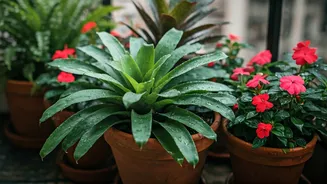
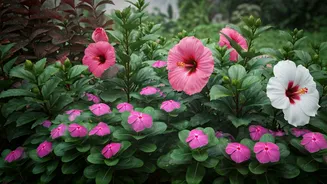
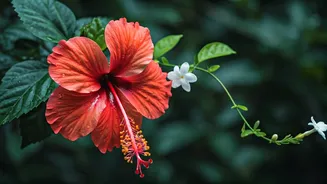
A staple in Indian homes, the hibiscus (Jaswand) truly comes alive during the monsoon. The increased humidity and moisture in the air encourage these plants to produce more of their large, trumpet-shaped flowers in shades of red, pink, yellow, and white.
Being a moisture-loving plant, it flourishes in the warm, wet climate, often growing quickly and blooming generously throughout the season. It's a fantastic ornamental plant that is commonly grown for both its beauty and for religious offerings. To ensure your hibiscus thrives, plant it in well-draining soil to prevent waterlogging, which can cause root rot. While the plant loves water, it's crucial that pots have adequate drainage holes. Pruning during the early monsoon can help shape the plant and promote even more flowering. Keep an eye out for pests like mealybugs that can appear in humid weather; a simple spray of neem oil can keep them at bay.
Jasmine: Fragrance in the Moist Air
The scent of jasmine (Mogra, Chameli) is synonymous with Indian evenings, and its fragrance feels especially potent in the cool, moist air after a monsoon shower. Varieties like Jasminum sambac are extremely popular in Indian gardens and are cherished for their delicate, fragrant blooms that flourish during this season. The monsoon provides the natural humidity that jasmine plants adore, though some care is needed to manage the extra moisture. Like hibiscus, jasmine needs well-draining soil to prevent its roots from becoming waterlogged. If your jasmine is in a pot, ensure there are sufficient drainage holes and consider placing the pot on bricks to help excess water escape. While the rains will take care of most of the watering, you should reduce manual watering significantly. Pruning dead or diseased branches is also wise, as it promotes healthy new growth where flowers will form.
Marigold: A Burst of Sunshine
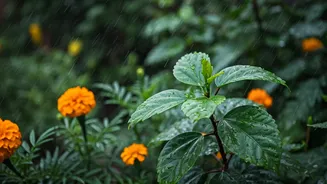
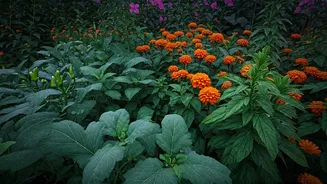
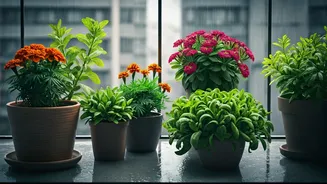
Marigolds (Genda) are cheerful, resilient annuals that bring a splash of bright orange and yellow to even the greyest monsoon day. They are a staple in Indian households and temples for a reason: they are easy to grow and can tolerate seasonal changes well. While they don't like waterlogged soil, they bloom actively in moderately rainy conditions. The rainy season is considered an excellent time to grow marigolds, with sowing often done in mid-June for a mid-July transplant. For best results, plant marigolds in light, fertile, and well-drained soil. If weeds become an issue, especially during the rainy season, they should be removed to ensure the plant gets enough nutrients. Pinching off the top of the plant when it's young (around 30-45 days old) will encourage it to grow bushier, leading to more flowers.
Balsam: The Rain-Loving Flower
Also known as Gulmehndi, Balsam is one of the most rewarding and easiest flowers to grow during the Indian monsoon. It thrives in the warm, humid conditions between June and September, producing vibrant camellia-like flowers in pink, red, white, and purple. It's a plant that genuinely loves rainwater and will add instant charm to any garden or balcony. Sow Balsam seeds at the start of the monsoon, as they flourish in the wet weather. The plant requires about 4-6 hours of sunlight daily, so a spot with partial to full sun is ideal. Prepare well-drained soil enriched with organic compost. While the monsoon showers will provide most of the water, ensure the soil remains moist but not soggy during any dry spells. Good drainage is key to preventing root rot.
General Monsoon Garden Care
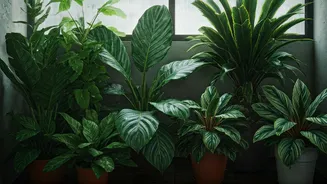
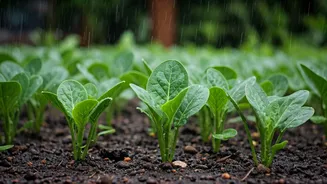
Beyond specific plants, a few general tips can help your entire garden thrive during the rainy season. Good drainage is non-negotiable; ensure all pots have holes and consider elevating them on bricks or stands. Adding a layer of organic mulch, like dried leaves or bark chips, can protect the soil from heavy raindrops, reduce erosion, and suppress weeds. This is also a crucial time to look out for pests and fungal diseases, which are more common in high humidity. Improve air circulation by pruning plants and providing them with adequate space. A preventive spray of neem oil can be a useful organic solution.