





The Soothing Sensation of Steam
The primary appeal of steam inhalation is the immediate, comforting sensation it provides. When you're dealing with the misery of a blocked nose and facial pressure, the warm, moist air can feel incredibly soothing. This moisture helps to hydrate dry,
irritated nasal passages, making that raw, scratchy feeling a little more bearable. The warmth can also help to temporarily loosen thick mucus, which can create a feeling of improved drainage and relief. This subjective experience is powerful and is the main reason why people continue to turn to steam as a go-to remedy for colds and sinus issues. It feels like it's working because, in the moment, it provides a sense of comfort and ease.
The Evidence for Steam Alone
When we move from subjective feeling to clinical evidence, the picture becomes less clear. Multiple scientific reviews and studies have found limited to no proof that steam inhalation is an effective treatment for sinus symptoms or the common cold. A major trial published in the Canadian Medical Association Journal found that steam inhalation provided no significant benefit for chronic sinus symptoms, apart from a minor reduction in headaches for some participants. While the steam might make you feel better temporarily, there's little evidence it shortens the duration of an illness, kills the underlying virus, or provides any lasting clinical benefit. Many health bodies conclude that the relief is fleeting and doesn't change the course of the infection.
Does Adding Herbs Make a Difference?
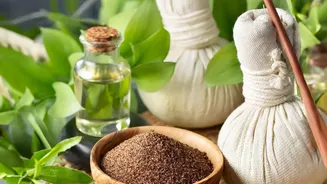
This is where many people hope for a magic boost. Herbs like eucalyptus, peppermint, and thyme are frequently added to steam bowls. Eucalyptus, for example, contains a compound called eucalyptol (or cineole), which has been studied for its potential anti-inflammatory and mucus-thinning properties. Some research shows this compound, when taken orally, can help with sinusitis. However, the evidence for its effectiveness when inhaled via steam is much weaker. The strong, cooling sensation from menthol in peppermint or the potent aroma of eucalyptus can trick your brain's sensory receptors, creating a powerful perception of clearer airways, even if the physical obstruction hasn't changed much. So while it can enhance the soothing experience, it is not a proven cure.
The Serious, Hidden Risk: Burns
The most significant argument against traditional steam inhalation has nothing to do with its effectiveness and everything to do with safety. Health organizations like the UK's National Health Service (NHS) actively warn against the practice, particularly for children, due to a high risk of severe scalds. Every year, hospitals treat serious burns caused by patients—often children—accidentally knocking over bowls of boiling water. These injuries can be devastating, requiring surgery and long-term care. The risk is so significant that many medical professionals argue it outweighs the minimal and unproven benefits of the practice. For this reason, using a bowl and towel is strongly discouraged.
Safer Alternatives and Best Practices
If you still find comfort in humidity for sinus symptoms, there are safer ways to achieve it. Sitting in a bathroom while a hot shower is running creates a warm, steamy environment without the risk of spilling boiling water. Using a personal steam inhaler or a cool-mist humidifier can also provide moisture to the air safely. Beyond steam, evidence strongly supports other home remedies like nasal saline irrigation (using a neti pot or spray), which physically flushes out mucus and allergens. Staying well-hydrated by drinking plenty of fluids, getting adequate rest, and using over-the-counter decongestants or pain relievers are all proven strategies to manage symptoms effectively.