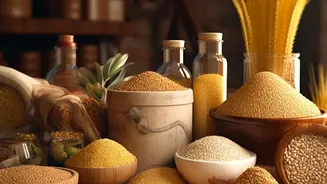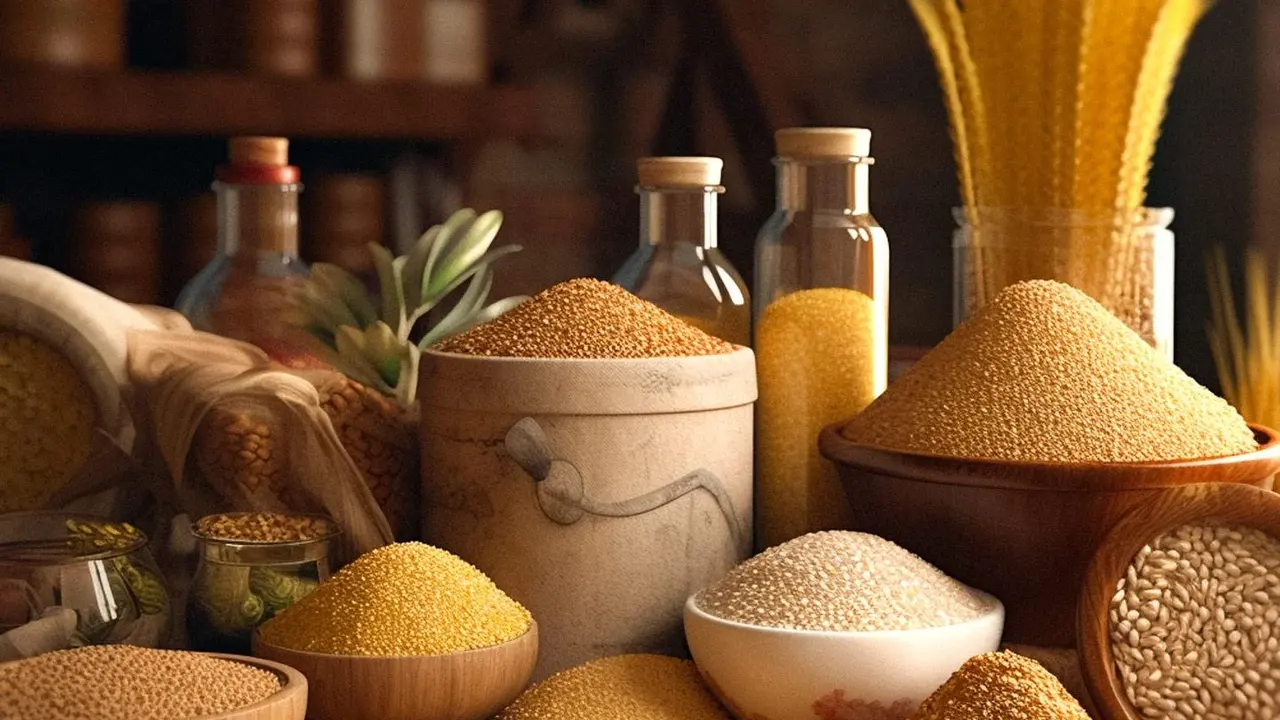


The wisdom of our grandmothers’ kitchens is making a comeback. Ancient grains, once the backbone of traditional Indian diets, are returning to modern tables, offering a treasure trove of nutrition, flavour, and versatility for today's home cooks.
What Exactly Are 'Ancient Grains'?
The term
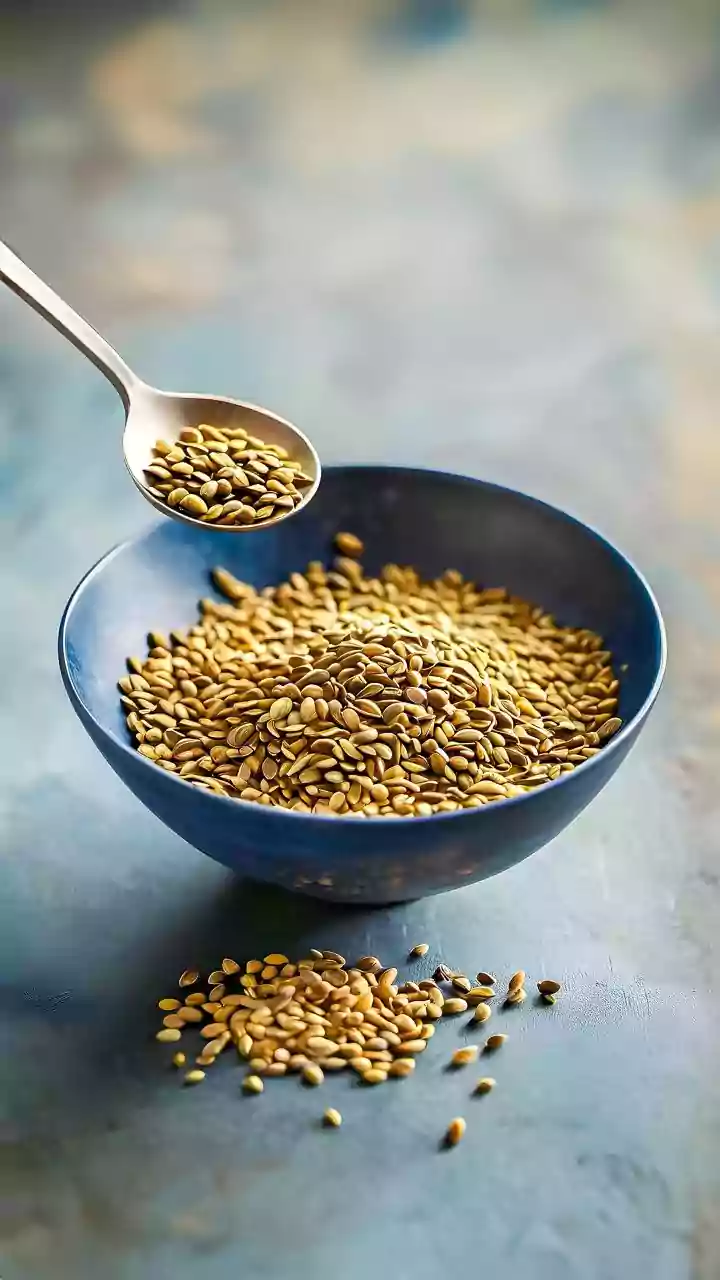
'ancient grains' generally refers to grains that have remained largely unchanged by selective breeding for thousands of years. Unlike modern wheat or rice, which have been modified for higher yields, these traditional staples retain much of their original genetic makeup. In India, this category proudly includes a diverse family of millets like jowar, bajra, and ragi, as well as pseudocereals (seeds that are used like grains) such as amaranth (rajgira) and buckwheat (kuttu). Rich in fibre, protein, vitamins, and minerals, these grains are celebrated not just for their heritage but for their impressive nutritional profiles.
Meet India's Star Millets
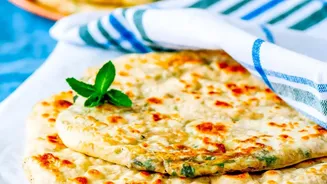
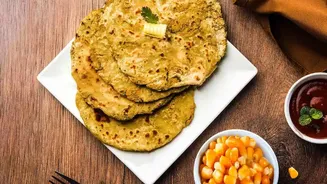
Millets, or 'Shree Anna' (the sacred grain), are the heart of India's ancient grain story. They are naturally gluten-free, easy to digest, and incredibly resilient crops. For any home cook, starting with the three most popular varieties is a perfect first step: Jowar (Sorghum): A staple in Maharashtra and Karnataka, jowar is a fantastic gluten-free alternative to wheat. It's packed with iron and fibre. Its flour is traditionally used to make soft bhakris or flatbreads. Bajra (Pearl Millet): Popular in Rajasthan and Gujarat, bajra is a warming grain, making it ideal for winter meals. It is dense in iron and magnesium, which supports heart health. Bajra rotis, often enjoyed with a dollop of ghee, are a culinary classic. * Ragi (Finger Millet): A nutritional powerhouse celebrated in South India, ragi boasts the highest calcium content of any cereal. Its earthy flavour lends itself well to dosas, laddoos, and a comforting breakfast porridge known as ragi kanji.
Beyond Millets: Amaranth and Buckwheat
Two other important ancient grains in the Indian pantry are amaranth and buckwheat, often associated with fasting days (vrat). Amaranth (Rajgira): This tiny grain is a complete protein, containing all nine essential amino acids. When popped, it becomes a light, nutty addition to chikkis and laddoos. The flour is used to make rotis and puris during religious fasts. Buckwheat (Kuttu): Despite its name, buckwheat is not related to wheat and is gluten-free. It has a robust, nutty flavour. Kuttu ka atta (buckwheat flour) is famously used to make puris and parathas during Navratri.
Your First Steps in the Kitchen
Cooking with ancient grains is simpler than you might think. The key is understanding their unique properties. Since most millets are gluten-free, their flours don't bind like wheat flour. A game-changing tip for making soft millet rotis (from jowar, bajra, or ragi) is to use boiling water to make the dough. The heat helps the flour absorb moisture and stick together, making it easier to knead and roll. When cooking whole grains like foxtail or little millet as a substitute for rice, a good rule of thumb is a 1:2 grain-to-water ratio. Soaking the grains for a few hours can reduce cooking time and improve digestibility. You can cook them in an open pot or a pressure cooker just as you would rice.
Easy Swaps to Get Started
You don't need to completely change your cooking style. Start with small, simple swaps: Breakfast Boost: Make a simple porridge with ragi flour, water or milk, and a little jaggery. It's a quick, nutritious start to the day. Roti Blend: Begin by mixing 30% jowar or bajra flour into your regular wheat atta. This simple addition increases fibre and nutrients without drastically changing the taste or texture of your daily rotis. One-Pot Meals: Use whole foxtail millet or barnyard millet instead of rice to make khichdi or upma. They cook quickly and absorb flavours beautifully. Healthier Dosas: Add some ragi flour to your regular dosa batter for a boost of calcium and a lovely earthy flavour.