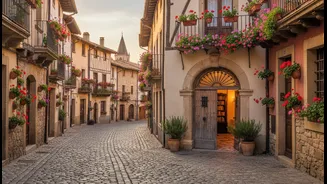









The Allure of Pure Spontaneity
Scroll through social media, and you'll be sold a dream: the 'no-plan' vacation. It’s a romantic vision of showing up in a new city and letting fate guide you. The appeal is undeniable. It promises freedom from the rigid schedules of daily life and the thrill
of genuine discovery. Proponents argue that it opens you up to unique experiences, from stumbling upon a local festival to befriending a stranger who shows you a hidden gem. This approach is a rebellion against the over-optimised, review-obsessed nature of modern life. However, the reality can be less glamorous. Without any forethought, spontaneity can curdle into stress—wasting precious time searching for a place to sleep, paying exorbitant last-minute prices, or discovering the one thing you wanted to see is sold out.
The Tyranny of the Perfect Itinerary
On the other end of the spectrum is the over-planner. Every moment is scheduled, every restaurant is booked, and every museum ticket is bought months in advance. For some, this level of control is a way to manage pre-trip anxiety. Studies even show that the anticipation and planning phase of a vacation can bring significant happiness. But this approach has a dark side. A rigid itinerary leaves no room for the unexpected magic that makes travel so special—a captivating side street, a longer-than-planned conversation with a local artist, or simply the desire to rest. When a schedule is too tight, any deviation, like a delayed train, can feel like a catastrophic failure, adding pressure to what should be a relaxing experience. This rigid style often prioritizes a checklist of sights over genuine experience.
Finding the Sweet Spot: A Framework, Not a Cage
The most rewarding travel experiences often come from a balanced approach. It’s not about planning 50% of your trip and leaving the rest to chance. Instead, it’s about creating a solid but flexible framework. Think of it as building a scaffold, not a cage. This means planning the non-negotiables: book your flights, your first night's accommodation, and any high-demand tickets or permits that require advance booking. These big-ticket items are often cheaper and less stressful when arranged ahead of time. This minimal structure provides security and peace of mind, freeing you from logistical worries on the ground. With the main pillars of your trip secured, the days themselves can remain open for exploration and spontaneity.
The Practical Magic of 'Semi-Planning'
What does this look like in practice? It means grouping potential activities by neighbourhood without assigning them to specific times. Mark points of interest on an offline map, so you can see what’s nearby if you find yourself with a free afternoon. Have a list of three highly-rated restaurants, but don't be afraid to walk into a place that simply smells delicious. The goal is to reduce decision fatigue in the moment while still allowing for discovery. Leave entire afternoons or even full days deliberately unscheduled. This buffer allows you to say "yes" to an unexpected invitation or to simply return to a spot you loved. This method combines the security of a plan with the freedom of spontaneity, which experienced travellers often adopt intuitively.