



The Appeal of a Rain-Soaked Paradise
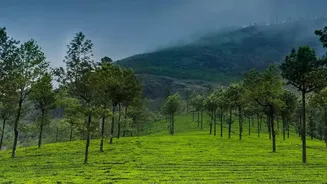
For years, the conventional wisdom for travel in India was to avoid the monsoon. Rain meant logistical challenges and limited sightseeing. But that perspective is changing. In Coorg, the rainy season from June to September transforms the region into a lush,
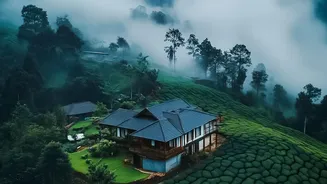
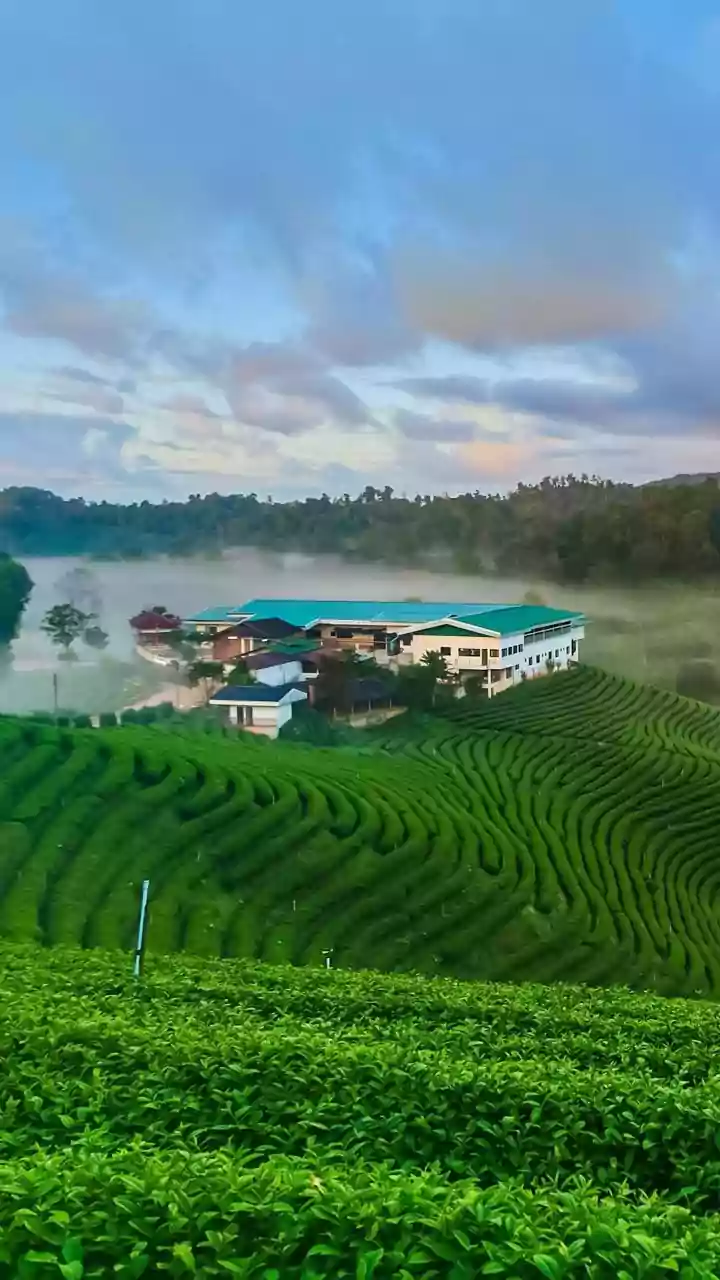
emerald paradise. Waterfalls like Abbey and Iruppu, which are modest trickles in the dry season, become powerful, roaring cascades. The landscape, wrapped in a constant, gentle mist, takes on a mystical quality. Travellers are finding that this traditionally quiet period offers a more serene and deeply atmospheric experience, a stark contrast to the bustling peak tourist months. The benefits are clear: fewer crowds, lower prices for stays and transport, and a chance to see nature at its most vibrant.
The Rise of the 'Slow Traveller'
This shift is driven by a philosophy known as slow travel. It’s an approach that prioritises depth over distance and connection over checklists. Instead of rushing to see as many attractions as possible, slow travellers choose to spend more meaningful time in one place, absorbing the local culture and landscape. This mindset is a reaction to fast-paced urban life, where holidays often become as exhausting as work. A recent travel report noted a significant increase in searches for quieter destinations, suggesting a collective desire for relaxation and a genuine escape. Slow travel isn’t about doing nothing; it's about doing things with intention—whether it’s reading a book by a window overlooking a rainy valley, taking a long walk, or engaging in conversations with locals.
Why Coffee Estates Are the Perfect Hub
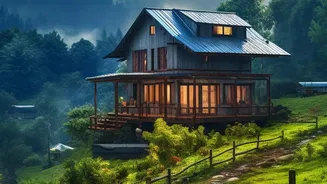
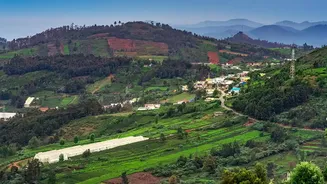
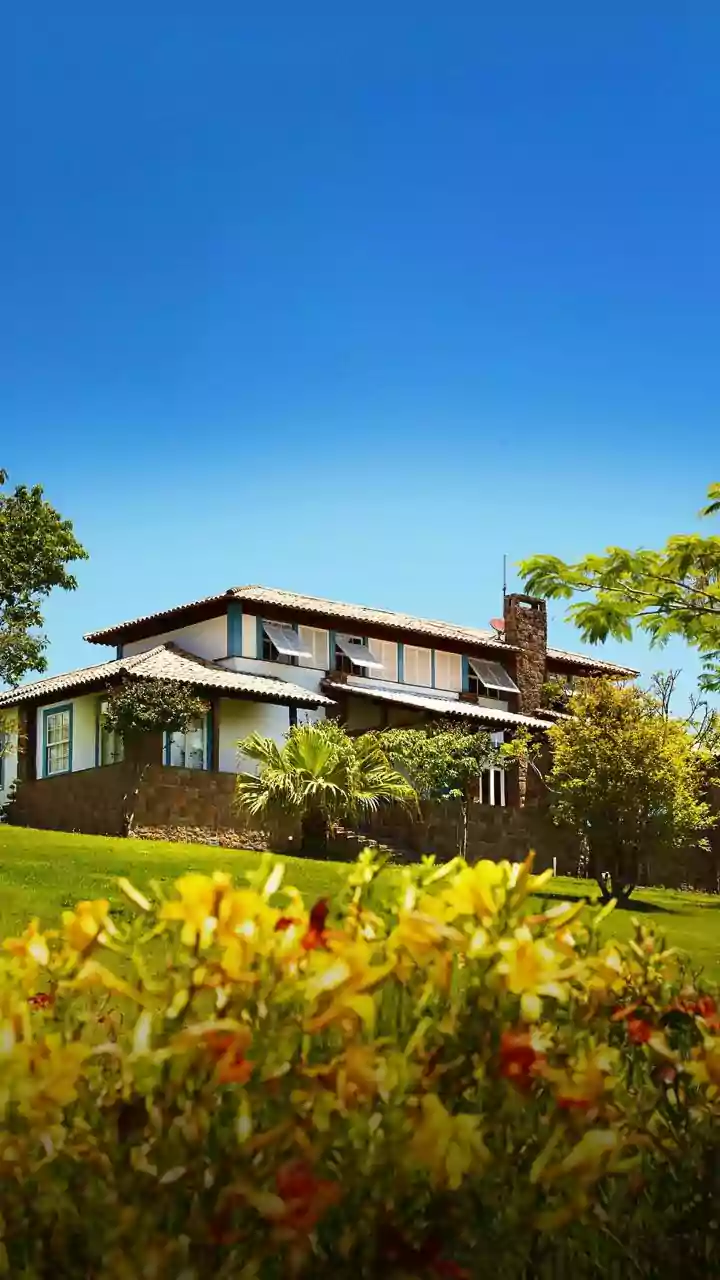
Coorg's sprawling coffee plantations have become the epicentre of this monsoon movement. The estates, often home to charming bungalows and family-run homestays, are self-contained worlds perfect for the slow traveller. They offer an immediate immersion into the local way of life. Guests can wake up to the sounds of the plantation, walk among rain-washed coffee bushes, and learn about the journey from bean to cup from the estate owners themselves. These stays provide a unique blend of comfort and authenticity, with hosts often sharing home-cooked Kodava cuisine and stories about the region. The very nature of an estate stay encourages a slower pace, where the day’s main activity might simply be enjoying a freshly brewed coffee on a covered veranda.
An Experience Beyond the Itinerary
Visiting Coorg during the monsoon isn't about ticking off a list of sights; it's about embracing the season itself. The experience is sensory: the earthy fragrance after a downpour, the sight of clouds drifting across valleys, and the taste of local delicacies that are particularly comforting on a rainy day. Activities are dictated by the rhythm of the rain. A break in the clouds might invite a short trek or a drive to a viewpoint like Raja's Seat to watch the mist play over Madikeri. A heavier shower is an excuse to delve into a book or enjoy the warm hospitality of a homestay. This approach allows for a more personal and memorable connection with the destination, turning the weather from a potential obstacle into the main attraction.
Is Monsoon Slow Travel for You?
While the allure is strong, a monsoon trip to Coorg requires the right mindset. Travellers should be prepared for rain, which can alter plans at a moment's notice. Outdoor activities may be limited, and trekking trails can be slippery and home to leeches. It's a trip for those who find joy in quiet moments and scenic beauty rather than constant activity. If your idea of a perfect holiday involves cosying up with a hot beverage, embracing lush, green landscapes, and disconnecting from the rush of daily life, then joining the slow travellers in Coorg's coffee estates this monsoon might be the ideal escape. It represents a shift from merely visiting a place to truly experiencing it.