





Embrace Bodyweight Basics
The foundation of any no-gym routine is calisthenics, or bodyweight training. This isn't a new trend but a return to fundamentals. Exercises like push-ups, squats, lunges, planks, and pull-ups (if you have a bar) use your own body's resistance to build
functional strength, improve stability, and increase muscle endurance. The beauty of bodyweight training is its scalability. A beginner can start with knee push-ups and assisted squats, while an advanced practitioner can progress to one-arm push-ups and pistol squats. It costs nothing, requires minimal space, and teaches you to master your own body. Online resources and apps provide structured programs, ensuring you progress safely and effectively without ever lifting a dumbbell.
Find Your Flow with Yoga
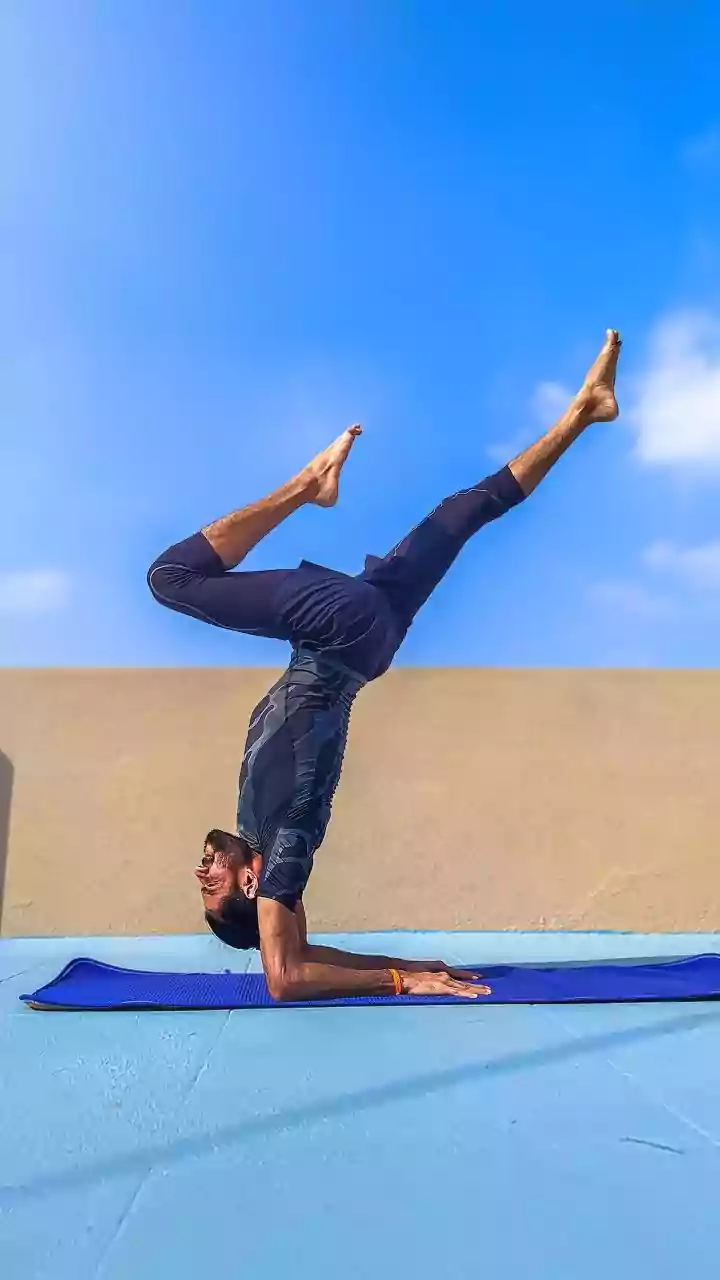
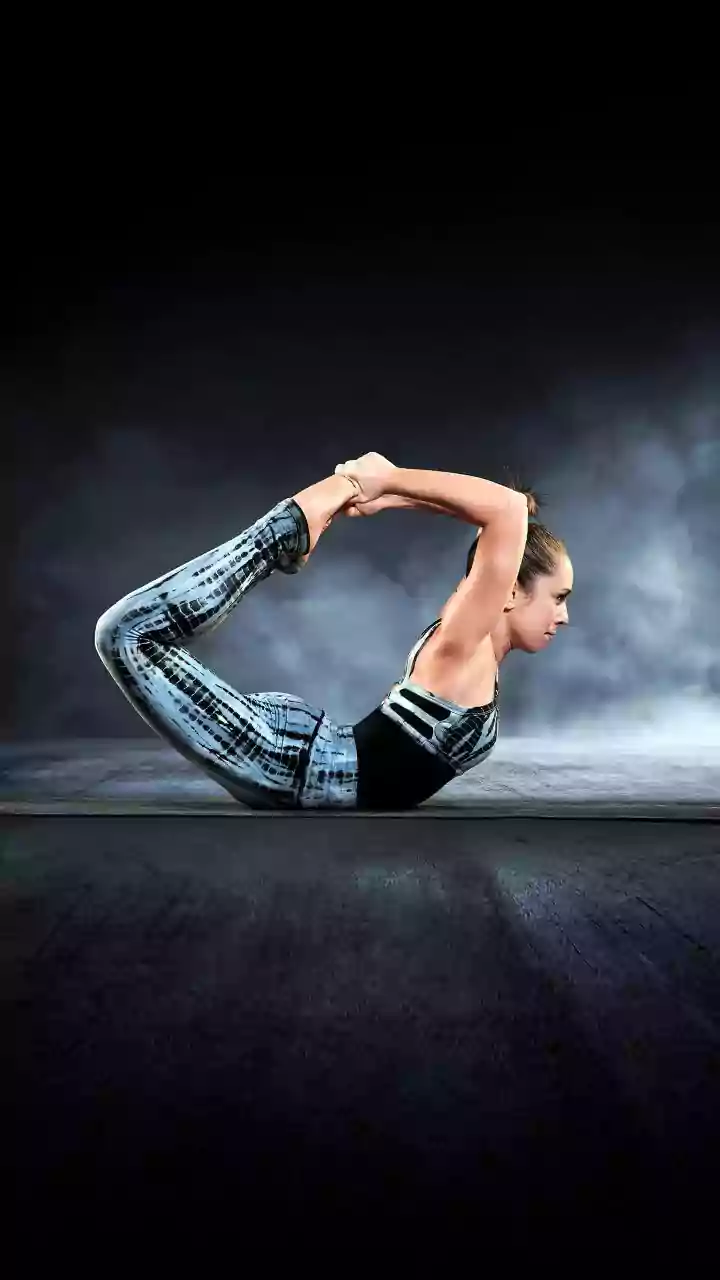
Once viewed primarily as a tool for flexibility and spiritual wellness, yoga has firmly established itself as a comprehensive fitness system. Its deep roots in Indian culture make it a natural and accessible choice for many. A dynamic Vinyasa or Ashtanga practice can be a formidable cardiovascular and strength workout, challenging your muscles and your focus. Meanwhile, a restorative Hatha session can improve posture and calm the nervous system. The rise of digital platforms means you can access world-class instructors from your living room, whether through YouTube channels like Yoga with Adriene or Indian-focused apps that offer classes in multiple languages. Yoga’s emphasis on the mind-body connection offers a holistic approach to health that goes beyond physical aesthetics.
The Trainer in Your Pocket
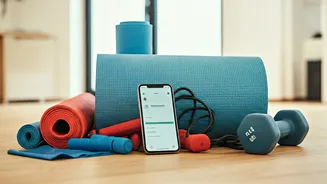
The single biggest driver of the no-gym movement is technology. Our smartphones have become powerful fitness tools. Apps like Cult.fit (formerly Cure.fit), Nike Training Club, and FITTR have brought personalised training, guided workouts, and nutrition advice to millions. These platforms offer a vast library of on-demand classes, from high-intensity interval training (HIIT) and strength conditioning to dance fitness and meditation. Features like progress tracking, community challenges, and live classes create a sense of accountability and motivation that was once only found in a physical gym. For the cost of a few coffees a month—or sometimes for free—you get a level of variety and convenience that traditional gyms struggle to match.
Hit the Pavement and Parks
The simplest and most democratic form of exercise remains one of the most effective: running. It requires nothing more than a decent pair of shoes and a bit of open space. Across India's cities, running communities are thriving, with weekend groups and marathon training clubs becoming a common sight. Beyond the obvious cardiovascular benefits, running is a powerful tool for mental health, offering a chance to clear your head and connect with your environment. For those who find running too high-impact, brisk walking offers many of the same benefits. Apps like Strava or Runkeeper add a social and data-driven layer, allowing you to track your routes, measure your progress, and compete with friends, turning a solitary activity into a shared journey.
Make Fitness a Party
Who said workouts have to be a chore? The rise of dance fitness proves that fun is a powerful motivator. Formats like Zumba, which blends Latin rhythms with aerobic exercise, have been popular for years. More recently, styles incorporating Bollywood and Bhangra music have created a uniquely Indian fitness experience that feels more like a celebration than a workout. These classes, available both online and in local studios, are fantastic for cardiovascular health, coordination, and burning calories. The infectious music and energetic group atmosphere make you forget you're exercising, which is the secret to long-term consistency for many people.