





The Contamination Connection
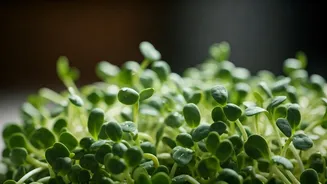
On the surface, sprouts seem like the pinnacle of health food. They are young, tender shoots of germinated seeds like alfalfa, mung bean, clover, and radish. While packed with nutrients, they are also consistently linked to a high number of foodborne
illness outbreaks. Over the past few decades, raw and lightly cooked sprouts have been a documented source of infections from harmful bacteria, most notably Salmonella and E. coli. These aren't just minor incidents; sprout-related outbreaks have hospitalised hundreds of people globally and led to public health alerts in numerous countries, including India and the United States. This recurring pattern has forced food safety agencies to issue specific warnings about their consumption, particularly for vulnerable groups.
A Perfect Storm for Bacteria
So, why are these tiny greens such a big problem? The issue lies in the very way they are grown. To germinate, seeds need to be kept in warm, humid conditions for several days. Unfortunately, these are the exact same conditions that pathogenic bacteria thrive in. The problem often starts with the seeds themselves, which can become contaminated in the field or during storage. Even a small amount of bacteria on a handful of seeds can multiply into an enormous, infectious colony during the sprouting process. The structure of the sprouts also makes them difficult to clean. Bacteria can get inside the plant tissue, making it impossible to wash them off. This means that even sprouts grown in pristine conditions can be risky if the original seeds were contaminated.
Who is Most at Risk?
While anyone can get sick from contaminated sprouts, the consequences are far more severe for certain groups of people. Food safety bodies like the FSSAI and the US FDA strongly advise against the consumption of raw sprouts for children, the elderly, pregnant women, and individuals with weakened immune systems. For these populations, a foodborne illness that might cause a few days of discomfort for a healthy adult can lead to serious complications, kidney failure, hospitalisation, or even be life-threatening. The bacteria often found in sprouts, such as E. coli O157:H7 and Listeria monocytogenes, are particularly dangerous and can cause severe symptoms beyond typical food poisoning.
Can You Make Them Safe?
Many people assume that rinsing sprouts under water will make them safe to eat. Unfortunately, this is a dangerous misconception. As bacteria can be internalised within the sprout, washing the surface does very little to reduce the risk. Likewise, buying organic sprouts offers no extra protection, as the risk is related to the growing process, not the use of pesticides. The only reliable way to kill the harmful bacteria is through heat. Cooking sprouts thoroughly until they are steaming hot will eliminate the pathogens. This means adding them to stir-fries, soups, and curries is a safe way to enjoy them. However, this defeats the purpose for those who enjoy the crisp, raw texture in salads and sandwiches.
The Nutritional Trade-Off
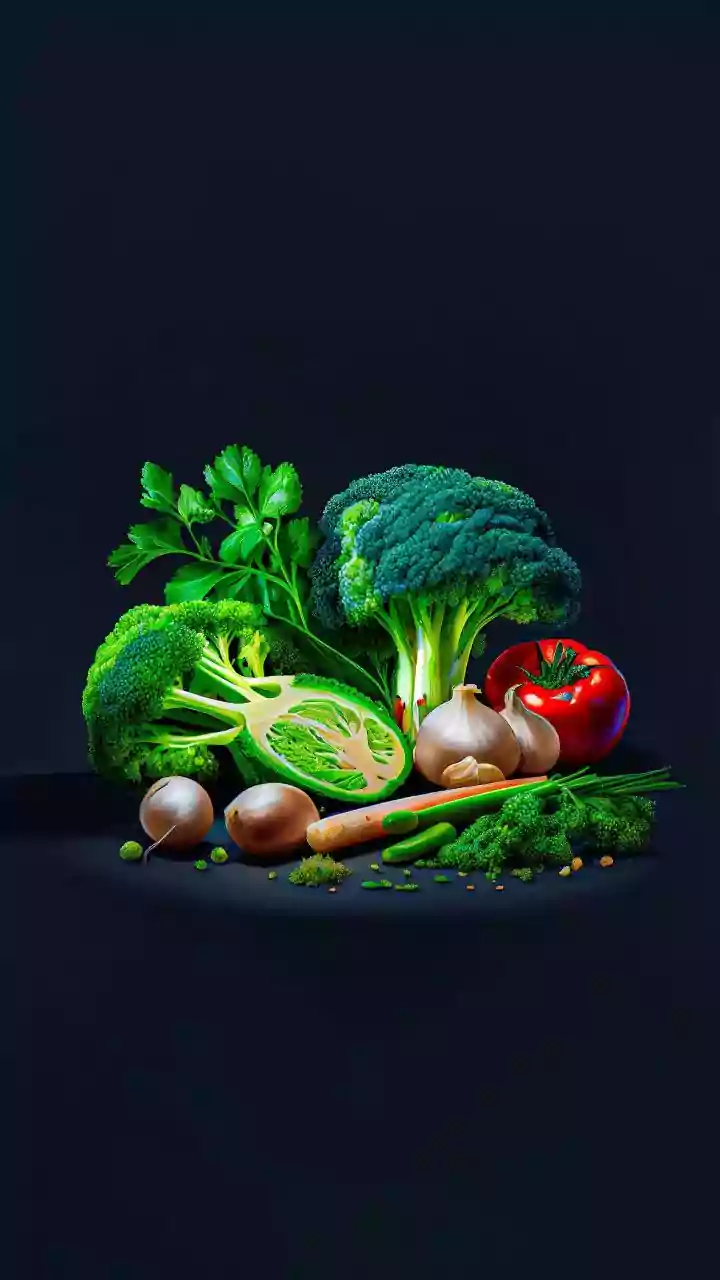
Sprouts are often lauded for their nutritional profile. They contain vitamins C and K, folate, and other antioxidants. The process of sprouting can make some minerals more bioavailable. However, given the significant safety concerns, it's worth asking if the risk is worth the reward. Many other vegetables offer a similar or even superior nutritional punch without the inherent danger. Dark leafy greens like spinach and kale, cruciferous vegetables like broccoli, and even humble carrots and bell peppers are packed with vitamins and fibre, and they don't share the unique contamination risk of sprouts. For most people, the small nutritional boost from raw sprouts doesn't outweigh the potential for a serious illness.