




The Overlooked Kitchen Treasure
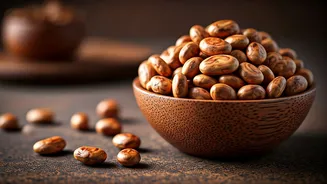
For generations, the creamy, fibrous pods of the jackfruit have been the star of the show. The seeds, however, have often been treated as an afterthought—a culinary byproduct to be discarded. In many Indian households, particularly in the south where
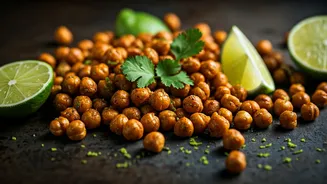
the fruit is abundant, these seeds are sometimes boiled or added to curries. Yet, for many, they remain a part of the fruit that simply gets thrown away. This habit represents a missed opportunity. Not only is it a form of food waste, but it also means we're ignoring a source of fantastic texture and nutrition hiding in plain sight. These seeds, when prepared correctly, transform from slippery cast-offs into a snack that rivals roasted chickpeas or spiced nuts.
A Surprising Nutritional Powerhouse
Jackfruit seeds are far more than just filler. They are packed with essential nutrients that can be a valuable addition to your diet. They are a good source of complex carbohydrates, providing sustained energy. More impressively, they contain a decent amount of plant-based protein, making them a great snack for vegetarians and vegans. The benefits don't stop there. The seeds are rich in dietary fibre, which is crucial for digestive health and can help you feel full for longer. They also boast important minerals like magnesium and potassium, which play roles in muscle function and blood pressure regulation. Furthermore, they contain B-vitamins like thiamine and riboflavin, essential for converting food into energy. So, that handful of seeds isn't just a snack; it's a bundle of goodness.
Essential Prep: Boiling and Peeling
You can't just throw raw jackfruit seeds into the oven. Raw seeds contain compounds called tannins and trypsin inhibitors, which can interfere with nutrient absorption and cause indigestion. A simple boiling process neutralises these and makes the seeds perfectly safe and delicious to eat. First, wash the seeds thoroughly to remove any sticky residue from the fruit. Place them in a pot, cover with water, add a pinch of salt, and bring to a boil. Let them cook for about 20-30 minutes, or until they are tender enough to be pierced easily with a fork. Once boiled, drain the water and let them cool slightly. The seeds have a thin, white outer skin and a tougher, brown inner skin. Both can be peeled off. The easiest way is to use a small knife or your fingernails to remove the skins while the seeds are still warm. It’s a bit of effort, but it’s the most important step for achieving that perfect, crunchy texture.
The Simple Spice-Baked Recipe
Once your seeds are boiled and peeled, the fun part begins. This simple recipe turns them into an addictive, savoury snack.
**Ingredients:**
- 1 cup boiled and peeled jackfruit seeds
- 1 tablespoon olive oil or coconut oil
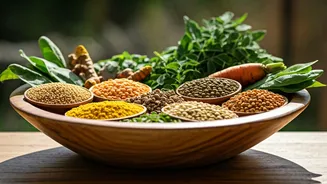
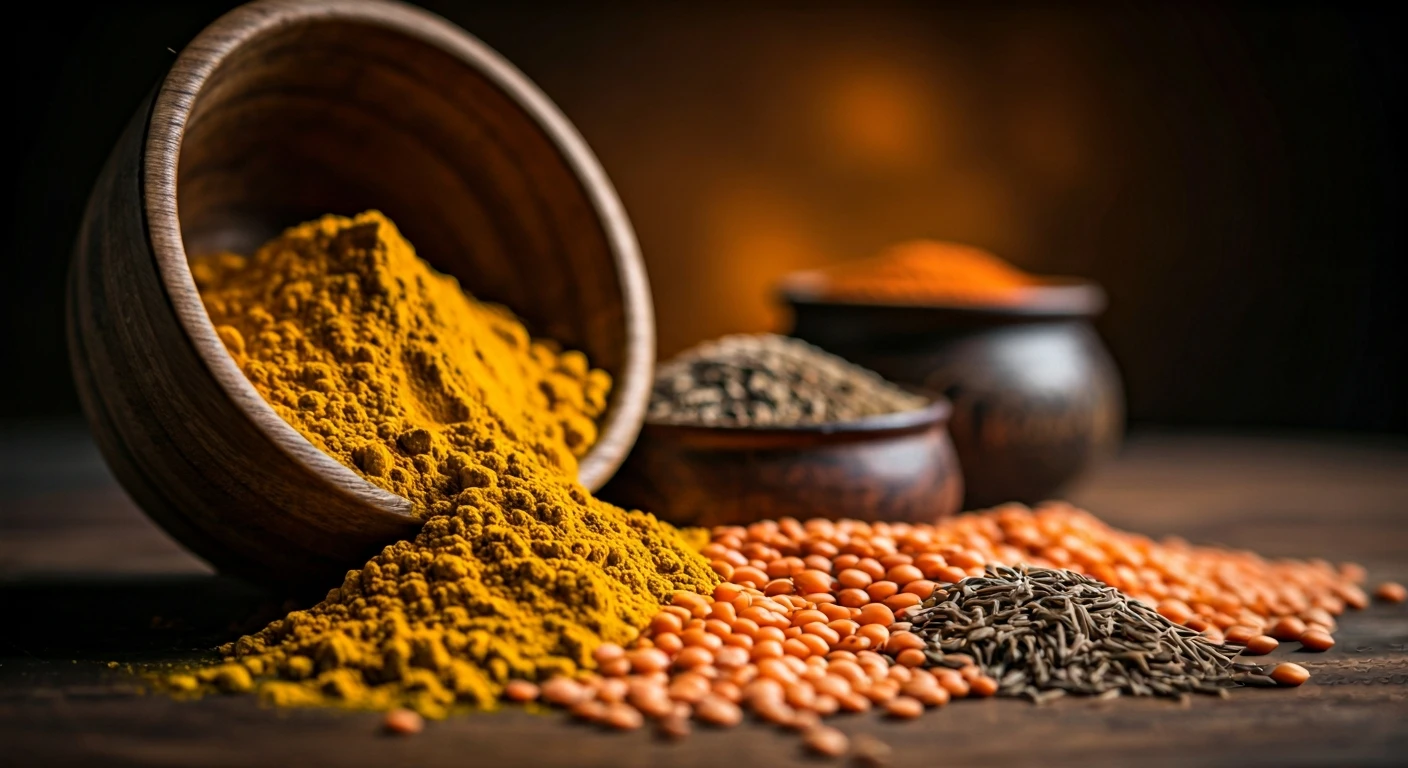
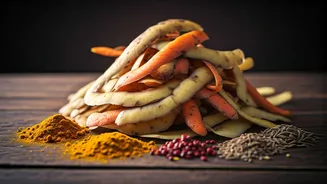
- 1/2 teaspoon turmeric powder (haldi)
- 1/2 teaspoon red chilli powder (adjust to your spice preference)
- 1/2 teaspoon cumin powder (jeera)
- 1/2 teaspoon salt (or to taste)
- A pinch of black pepper
**Instructions:**
1. Preheat your oven to 200°C (400°F).
2. In a bowl, toss the prepared jackfruit seeds with the oil until they are lightly coated.
3. Add all the spices—turmeric, chilli powder, cumin powder, salt, and pepper—to the bowl. Mix well until every seed is evenly seasoned.
4. Spread the seasoned seeds in a single layer on a baking tray lined with parchment paper. This ensures they bake evenly and get crispy.
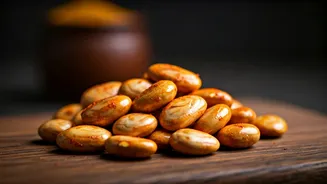
5. Bake for 15-20 minutes, or until the seeds are golden brown and crunchy. Shake the tray halfway through the baking time to prevent them from sticking and to ensure all sides are cooked.
6. Let them cool completely before eating. They will get even crispier as they cool down.
Serving Your Crunchy Creation
The most obvious way to enjoy your spice-baked jackfruit seeds is as a standalone snack. They are a perfect, healthy replacement for chips when you're craving something crunchy. But their use doesn't end there. You can chop them up and sprinkle them over salads for an unexpected textural element, much like croutons. They also add a wonderful crunch when stirred into yogurt or raita. For a more substantial meal, toss them into a vegetable stir-fry or a simple dal tadka right at the end of cooking to add texture and a nutty flavour. They are wonderfully versatile, so feel free to experiment.