





Munnar, Kerala: Tea Gardens in the Mist
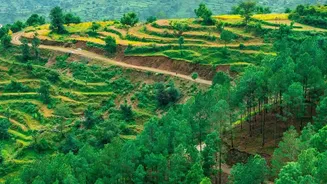
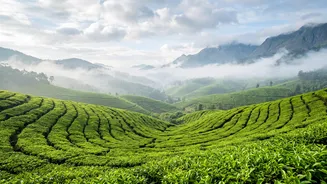
During the monsoon, Munnar in Kerala transforms into a spectacle of emerald greens and soft, rolling mist. The terraced tea plantations, a defining feature of this hill station, look freshly washed and impossibly lush. The rain breathes life into countless
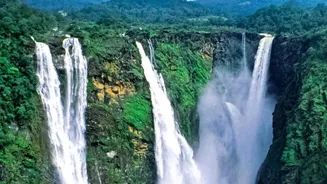
seasonal streams and waterfalls, with cascades like Attukad Falls becoming particularly magnificent. For photographers, the magic lies in the interplay of light and mist. Overcast skies provide a natural, soft diffuser, eliminating harsh shadows and allowing the vibrant greens of the tea leaves to dominate the frame. Early mornings are especially rewarding, as fog often settles in the valleys, creating layered, atmospheric shots of hills peaking through the clouds. Focus on the winding roads that snake through the estates, frame the textures of wet tea leaves beaded with raindrops, or use a slow shutter speed to capture the silky flow of a waterfall against the dense foliage.
Coorg, Karnataka: The Scent of Coffee and Rain
Often called the 'Scotland of India', Coorg (Kodagu) in Karnataka is a paradise of coffee plantations, spice gardens, and dense forests that becomes even more enchanting during the monsoon. The season, which typically runs from June to September, turns the region into a vivid green carpet, with the aroma of wet earth and fresh coffee hanging in the air. Waterfalls like Abbey Falls and Iruppu Falls, fed by the generous rains, are at their roaring best, offering dramatic photographic subjects. Photographers are drawn to Coorg for its moody and romantic landscapes. The mist that frequently blankets the rolling hills and valleys creates a sense of depth and mystery, perfect for capturing evocative images. Key shots include the panoramic views from Raja's Seat, where you can watch clouds drift across the valley, and the intimate scenes within coffee estates, where rain-soaked berries and leaves provide excellent macro opportunities. The journey itself, with scenic drives through rain-drenched roads, offers endless frames.
Meghalaya: The Abode of Clouds
For the ultimate monsoon experience, there is no place like Meghalaya. Home to some of the wettest places on Earth, like Cherrapunji (Sohra) and Mawsynram, this northeastern state offers landscapes of unparalleled drama. The monsoon season fills its deep gorges with thundering waterfalls, including the majestic Nohkalikai Falls and the Seven Sisters Falls. The region is famed for its unique living root bridges, ancient structures woven from tree roots by the Khasi people, which look mystical and ancient when slick with rain and surrounded by lush foliage. Photographically, Meghalaya is about capturing scale and atmosphere. The vast Laitlum Canyons offer breathtaking, and often fog-shrouded, views of the green valleys below. The constant presence of clouds and mist creates a soft, ethereal light that makes every frame feel cinematic. Focus on the contrast between the dark, wet bridges and the vibrant greenery, or use a wide-angle lens to capture the immense scale of the waterfalls and canyons.
Valley of Flowers, Uttarakhand: A Himalayan Bloom
A truly unique monsoon destination, the Valley of Flowers National Park in Uttarakhand is a UNESCO World Heritage Site that opens only from June to October. It is during the peak monsoon months of July and August that this high-altitude valley bursts into a vibrant carpet of over 500 species of alpine flowers. Melting snow and seasonal rains create the perfect conditions for this spectacular botanical display, featuring everything from blue poppies and primulas to marigolds and orchids. The trek to the valley itself is a photographic journey through lush landscapes, with misty mountains as a constant backdrop. For photographers, this is a chance to capture a rare natural event. The soft, overcast light of the monsoon is ideal for capturing the delicate colours of the flowers without harsh glare. Macro lenses are invaluable here for focusing on individual blooms, while wide-angle shots can convey the breathtaking scale of the flower-filled meadows set against the rugged Himalayan peaks.
Essential Monsoon Photography Tips
Shooting in the rain requires preparation for both you and your gear. First, protect your equipment. A dedicated rain cover or even a DIY solution like a plastic bag can save your camera from water damage. Always carry a lens hood to prevent raindrops from hitting the lens and a few microfibre cloths to wipe away moisture. Second, play with your camera settings. To freeze raindrops in motion, use a fast shutter speed (like 1/250s or faster). To create a silky, streaky effect showing the motion of the rain, use a slower shutter speed (around 1/60s) and a tripod for stability. Third, look for creative compositions. Overcast skies create soft, diffused light, which is excellent for portraits and landscapes as it reduces harsh shadows. Don't forget to look down; wet streets and puddles create beautiful reflections that can add a whole new dimension to your photos. Finally, embrace the mood. The monsoon is not just about the landscape but the feeling it evokes, so capture scenes that tell that story.