


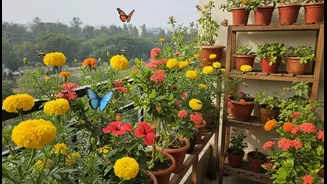


The Allure of the Showstoppers
We all love the breathtaking drama of ornamental plants. Think of the lush, ruffled petals of a hybrid rose, the grandeur of a dahlia, or the vibrant clusters of a bougainvillea. These plants are the undisputed stars of many Indian gardens, cultivated
for their stunning visual impact. Often, these are 'double-flowered' varieties, where mutations have turned reproductive parts like stamens into extra petals. While this creates a fuller, more spectacular look, it can come at a cost. The very features that make them so decorative can make them less useful to visiting insects, as the pollen and nectar become difficult or impossible to access.
What Are 'Open' and 'Accessible' Flowers?
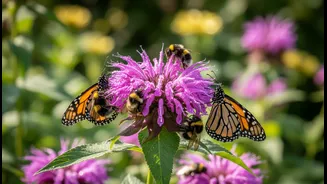
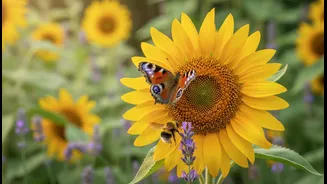
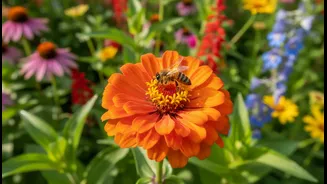
An 'open' or 'accessible' flower is one that wears its heart on its sleeve. These are typically 'single-flowered' varieties, with a simple layer of petals surrounding a clearly visible centre. This structure provides an open invitation to pollinators like bees and butterflies, offering them easy access to the vital nectar and pollen they need. Many native and heirloom plants fit this description. Open-pollinated plants are those that are pollinated naturally by insects, wind, or self-pollination, producing seeds that will grow into plants identical to their parents. By choosing these, you’re not just planting a flower; you’re participating in a natural, self-sustaining cycle.
Why Your Garden Needs a Healthy Mix
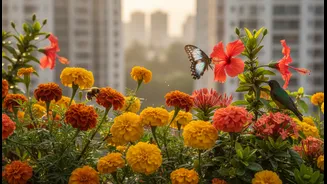
A garden that relies solely on highly cultivated ornamental plants can become a 'food desert' for pollinators. While beautiful, it lacks ecological function. By integrating open-flowered species, you create a vibrant ecosystem. These accessible blooms attract beneficial insects that not only pollinate your flowers but can also help with pest control for your entire garden. For instance, marigolds are known to repel certain pests, while cosmos and zinnias attract butterflies and bees. This balanced approach, known as companion planting, leads to healthier plants overall and reduces the need for chemical interventions. The result is a garden that is both aesthetically pleasing and buzzing with life.
Accessible Flowers Perfect for Indian Gardens
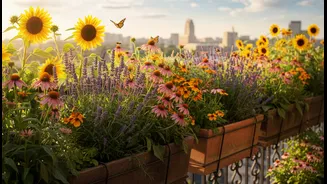
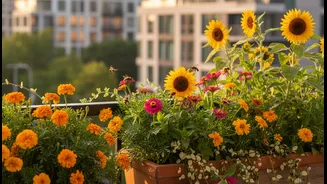
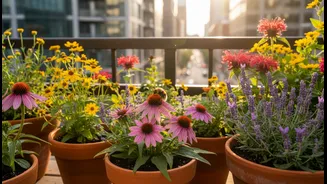
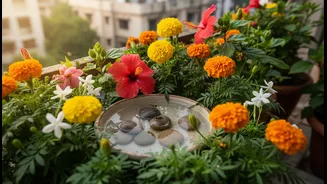
Integrating pollinator-friendly plants is easy, as many thrive in Indian climates. Marigolds (Genda) are a classic choice, easy to grow and culturally significant. Their bright, open faces are a magnet for pollinators. Zinnias are another fantastic option, offering a rainbow of colours and a long blooming season that keeps beneficial insects returning. Cosmos, with their delicate, daisy-like appearance, are simple to grow from seed and create a soft, meadow-like feel. For a splash of blue or white, consider Aparajita (Butterfly Pea), a low-maintenance climber that bees adore. Sunflowers, even smaller varieties, are also excellent, providing a large landing pad for bees to feast.
Creating a Harmonious Design
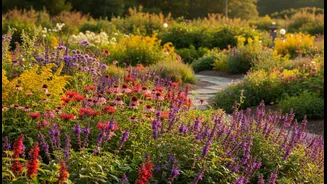
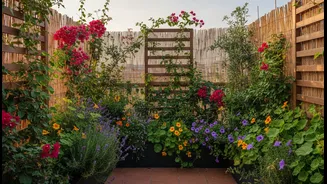
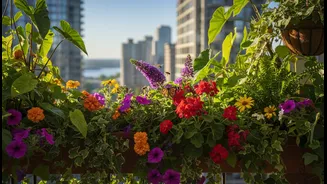
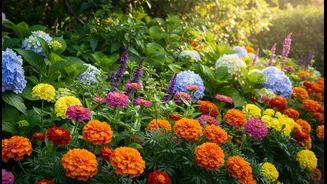
You don’t have to sacrifice your favourite ornamental plants. The key is integration. Use open flowers as beautiful 'fillers' between your larger shrubs or showier blooms. Plant a border of vibrant zinnias in front of your hibiscus hedge. Let cosmos sway gracefully behind a bed of more structured roses. Mix marigolds into your vegetable patches or at the base of larger potted plants to help deter pests. Think in layers, with taller sunflowers at the back and shorter, accessible flowers like petunias or pansies at the front. This not only creates a visually rich and textured garden but also ensures that pollinators have plenty of options throughout the space.