


The 'Miracle Tree' Hiding in Plain Sight
Moringa, often called the 'drumstick tree' or 'sahjan' in India, is hardly a new discovery. Its slender green pods and delicate leaves have been a part of regional cuisines for centuries. What's new is the global recognition of its powdered form as a nutritional
powerhouse. Moringa powder is made from the tree's leaves, which are harvested, dried, and ground into a fine, bright green powder. This process concentrates its nutrients, making it an incredibly efficient way to get a dose of goodness. While our grandmothers used the fresh leaves and pods in sambar and stir-fries, this modern powder format offers a new level of convenience for a fast-paced lifestyle.
A Nutritional Profile That Impresses
Why all the hype? Moringa leaf powder stands out for its dense nutritional content. While it’s not a magic cure-all, its credentials are genuinely impressive. It is a rich source of vitamins and minerals. Gram for gram, it contains significant amounts of Vitamin C, which supports immune function; Vitamin A, crucial for vision and skin health; and iron, which helps combat fatigue. Furthermore, it's a complete plant protein, containing all nine essential amino acids, making it an excellent supplement for vegetarians and vegans. It is also packed with antioxidants like quercetin and chlorogenic acid, which help fight oxidative stress in the body. Incorporating it into your diet is a simple way to add a broad spectrum of nutrients.
Why Dal is The Perfect Vehicle
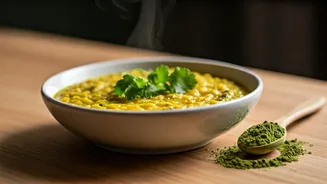
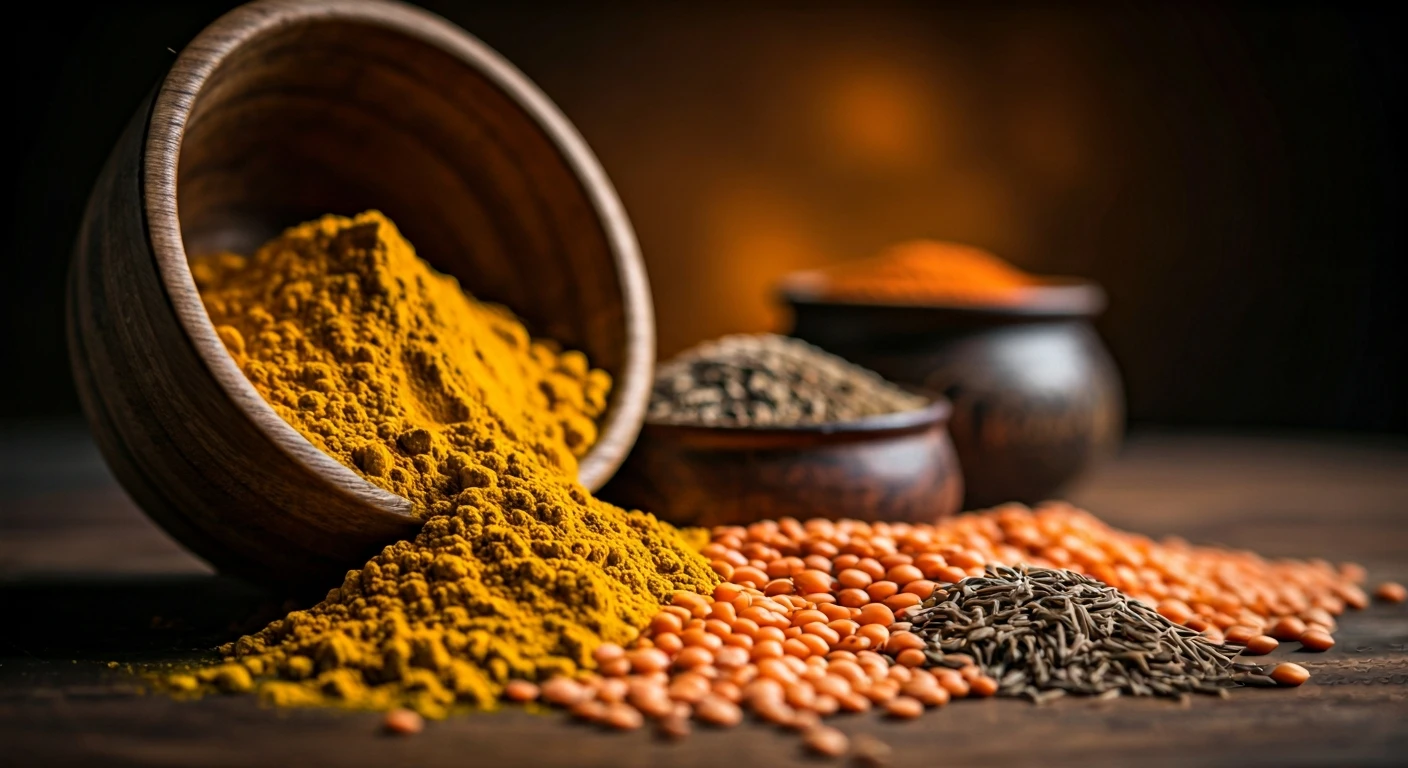
Moringa powder has a distinct, earthy flavour, often compared to spinach or matcha. If used incorrectly, it can be slightly bitter and overpower a dish. This is precisely why dal is its perfect culinary partner. The complex, robust flavours of a well-made dal—spiced with turmeric, cumin, and coriander, enriched with ghee, and balanced with the sourness of tomatoes or tamarind—can easily accommodate moringa’s green notes. The creamy texture of cooked lentils helps disperse the powder evenly, preventing clumps and ensuring you get a little bit in every bite. Unlike a delicate soup or a plain glass of water, dal is forgiving. It masks any potential bitterness, allowing you to reap the benefits without sacrificing taste.
The Art of Adding Moringa: A Simple Guide
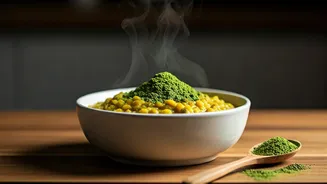
Adding moringa to your dal is incredibly simple, but timing and quantity are key. Do not add the powder while the dal is boiling on high heat, as this can degrade some of its delicate nutrients. The best time to add it is at the very end of the cooking process. Here’s how: 1. **Start Small:** If you’re new to moringa, begin with just half a teaspoon for a pot of dal serving 3-4 people. You can gradually increase this to a full teaspoon as you get accustomed to the taste. 2. **Add It Off the Heat:** Once your dal is fully cooked and you've finished your tadka, turn off the flame. Let it cool for a minute. 3. **Mix and Serve:** Stir the moringa powder into the dal until it is completely dissolved. The residual heat will be enough to incorporate it. The dal will take on a slightly deeper, greener hue. Garnish as you normally would with fresh coriander and serve hot. This simple, final step is all it takes to elevate your meal.