









Beyond the 'Superfood' Myth
In the age of wellness influencers, it’s easy to believe that a single food—be it a berry from a remote mountain or a trendy green powder—holds the key to solving our problems. The narrative is appealingly simple: eat this, feel better. However, when
it comes to mental health, science tells a more nuanced story. While specific nutrients are certainly important, no single food is a cure-all for conditions like anxiety or depression. The emerging field of nutritional psychiatry focuses not on individual 'superfoods' but on broader dietary patterns and their long-term effects on our brain. The focus is shifting away from isolated nutrients because we consume whole foods, and it's the synergy of compounds within these foods that matters most.
The Real Science: Gut, Brain, and Mood
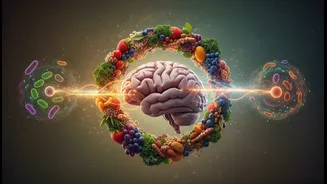
The connection between food and mood isn't just wishful thinking; it’s rooted in biology, particularly the gut-brain axis. Your gut is sometimes called the 'second brain' because it’s home to trillions of microbes that communicate with your brain. This gut microbiome plays a role in producing neurotransmitters like serotonin—a key chemical for regulating mood. In fact, up to 95% of your body's serotonin is produced in the gut. A diet high in processed foods, refined sugars, and unhealthy fats can lead to chronic inflammation, which has been linked to a higher risk of depression and anxiety. These foods can also cause sharp spikes and crashes in blood sugar, leading to irritability and mood swings.
It’s About Patterns, Not Just Plates
If a single meal won’t fix things, what will? The evidence points towards consistent, healthy eating patterns. Diets rich in whole foods—fruits, vegetables, whole grains, and lean proteins—are consistently associated with better mental health outcomes. This doesn't mean you have to follow a restrictive or unfamiliar diet. The core principle is to prioritise foods that are as close to their natural state as possible. Research has shown that people who eat more whole foods tend to have fewer symptoms of depression and anxiety. Conversely, diets heavy in ultra-processed foods are linked with a higher risk of developing depression. The key is consistency over perfection, creating a sustainable pattern of eating that nourishes your body and brain over time.
Key Nutrients in a Balanced Diet
Within a healthy eating pattern, certain nutrients do stand out for their role in brain function. Omega-3 fatty acids, found in fatty fish, walnuts, and flaxseeds, are crucial for brain health and reducing inflammation. B vitamins (like folate, B6, and B12) are vital for producing neurotransmitters and can be found in leafy greens and eggs. Minerals such as magnesium and zinc, present in nuts, seeds, and whole grains, also play a part in regulating mood and stress. However, it’s important to remember that these nutrients work best when consumed as part of a whole-food diet. Relying on supplements alone cannot replace the benefits of a balanced and varied eating plan.
Food Is Only One Part of the Equation
It’s crucial to understand that diet is a powerful tool, but it's not a standalone solution for mental illness. A truly holistic approach to mental well-being integrates healthy eating with other fundamental pillars. These include getting regular physical exercise, ensuring adequate and quality sleep, practicing stress management techniques like mindfulness or meditation, and maintaining strong social connections. For many, professional help, such as therapy and medication, remains an essential component of treatment. Thinking of diet as one part of a comprehensive self-care strategy allows you to harness its benefits without placing unrealistic expectations on it. Nutrition supports your mental health journey; it doesn't replace the other necessary steps.