






What Exactly Is a Scalp Serum?
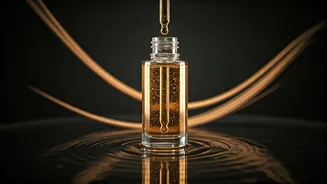
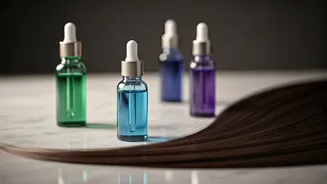
Think of a scalp serum as skincare, but for the skin under your hair. Unlike hair serums, which are applied to the mid-lengths and ends to add shine and smoothness, scalp serums are lightweight, leave-in treatments designed to be massaged directly onto
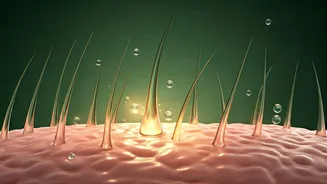
the scalp. [1, 7] Their purpose is to deliver concentrated active ingredients to the hair follicles to address concerns at the root. [7, 19] Whether you're dealing with dryness, excess oil, sensitivity, or the appearance of thinning hair, there's likely a serum formulated to help create a healthier environment for hair to grow. [1, 3, 6] They are designed to absorb quickly without leaving a greasy residue, a common misconception that makes many hesitate. [7]
The 'Skinification' of Hair: Why Now?
The rise of the scalp serum is part of a broader trend called the "skinification" of hair. This movement is built on a simple idea: the scalp is an extension of your facial skin and deserves the same level of care. [10, 12, 20] As consumers have become more educated about skincare ingredients like hyaluronic acid, peptides, and niacinamide, they've started seeking them out for their scalp and hair routines, too. [15, 20] The focus has shifted from temporary cosmetic fixes—like sprays that add shine—to promoting long-term hair health starting from the follicle. [10] This scalp-first approach recognizes that issues like breakage, dullness, and even some types of hair fall can be linked to the condition of the scalp. [7, 20]
Key Ingredients and What They Do
The effectiveness of a scalp serum comes down to its active ingredients. [3, 21] Many formulations now include popular skincare actives. Peptides, which are short chains of amino acids, help support proteins like keratin that form the hair's structure. [2] Niacinamide (Vitamin B3) can improve the scalp's barrier function, reduce irritation, and help regulate oil production. [2, 3] For hydration, you'll often find Hyaluronic Acid, which draws moisture to the scalp to prevent dryness and flaking. [11, 15] Other beneficial ingredients include caffeine, which can help stimulate microcirculation, and antioxidants like Vitamin C to protect the scalp from environmental stressors. [16, 19] For concerns around thinning, ingredients like Redensyl, Procapil, and Aminexil are often included to support the hair growth cycle. [21, 22]
How to Choose the Right Serum for You
Choosing a serum depends entirely on your primary scalp concern. If you have a dry, itchy, or flaky scalp, look for hydrating and soothing ingredients like hyaluronic acid, panthenol (Vitamin B5), or aloe vera. [1, 2, 6] For those with an oily scalp, serums containing niacinamide or salicylic acid can help balance sebum production and gently exfoliate. [3] If your main goal is to support hair density and reduce the appearance of thinning, seek out formulas with peptides, caffeine, biotin, or specialized complexes like Redensyl. [2, 9, 23] Some natural ingredients, like rosemary oil, are also popular for their potential to support circulation and hair density. [2, 9] Always check the ingredient list to ensure it targets your specific needs.
How to Use a Scalp Serum in Your Routine
For best results, consistency is key. [4] Most experts recommend applying scalp serum to a clean scalp, either when your hair is dry or slightly damp after washing. [4, 8] Applying it to a clean scalp ensures there's no buildup from styling products or oils blocking absorption. [4, 8, 13] Part your hair into several sections to expose the scalp. [4, 14] Apply a few drops of the serum directly along each part line. [13, 14] Then, use your fingertips—not your nails—to gently massage the serum into your entire scalp for a minute or two. [4, 18] This helps distribute the product evenly and stimulates blood flow. [14, 18] Since most scalp serums are leave-in treatments, there's no need to rinse. You can then style your hair as usual. [8]